Kathmandu is profoundly underrated. The city may look rustic, weathered, dusty, and a bit far from the archetype of modern urbanism, but at its core lies an eclectic culture that is traditional, time-honored, and unapologetically cosmopolitan. At the same time, it reveals a sense of novelty that felt refreshing—smoother roads, cleaner neighborhoods, and a steady undercurrent of rebuilding and redevelopment.
Last month I made my third visit to Kathmandu. In the years since my earlier visits in 2012 and 2017, the valley’s lively cadence hasn’t diminished; if anything, it has only grown. Returning after eight years didn’t feel strange at all. On the contrary, there was an immediate sense of familiarity—the people, the culture, the buildings—all of it evoked a quiet belonging that felt intimate and heartening. There was comfort in navigating empty alleys and crowded bazaars, in chatting with locals about national politics, and in cozying up to the rhythm of the city.
It made me reflect on what truly makes a place feel familiar and lived in. Maybe, it doesn’t always come from knowing a place already, but from the anticipation of what awaits, or the eagerness to discover it in its finest details—an openness that forges a deeper connection.

In my 20s, travel was about ticking off a checklist, hopping between places, and spending more days on the journey than at the destination. Sure, those years brought glorious firsts—road trips to Ladakh and the Spiti Valley, my first snowfall, and my first glimpse of the snow-covered Himalayas.
But over time, my philosophy of travel has evolved. My perspective on how I must travel has changed. What I now seek is connection—a sense of kinship with a place and its people, an understanding of their culture, traditions, ethos and way of life. I no longer feel compelled to rush through itineraries. I keep them flexible, unhurried and open to serendipity.
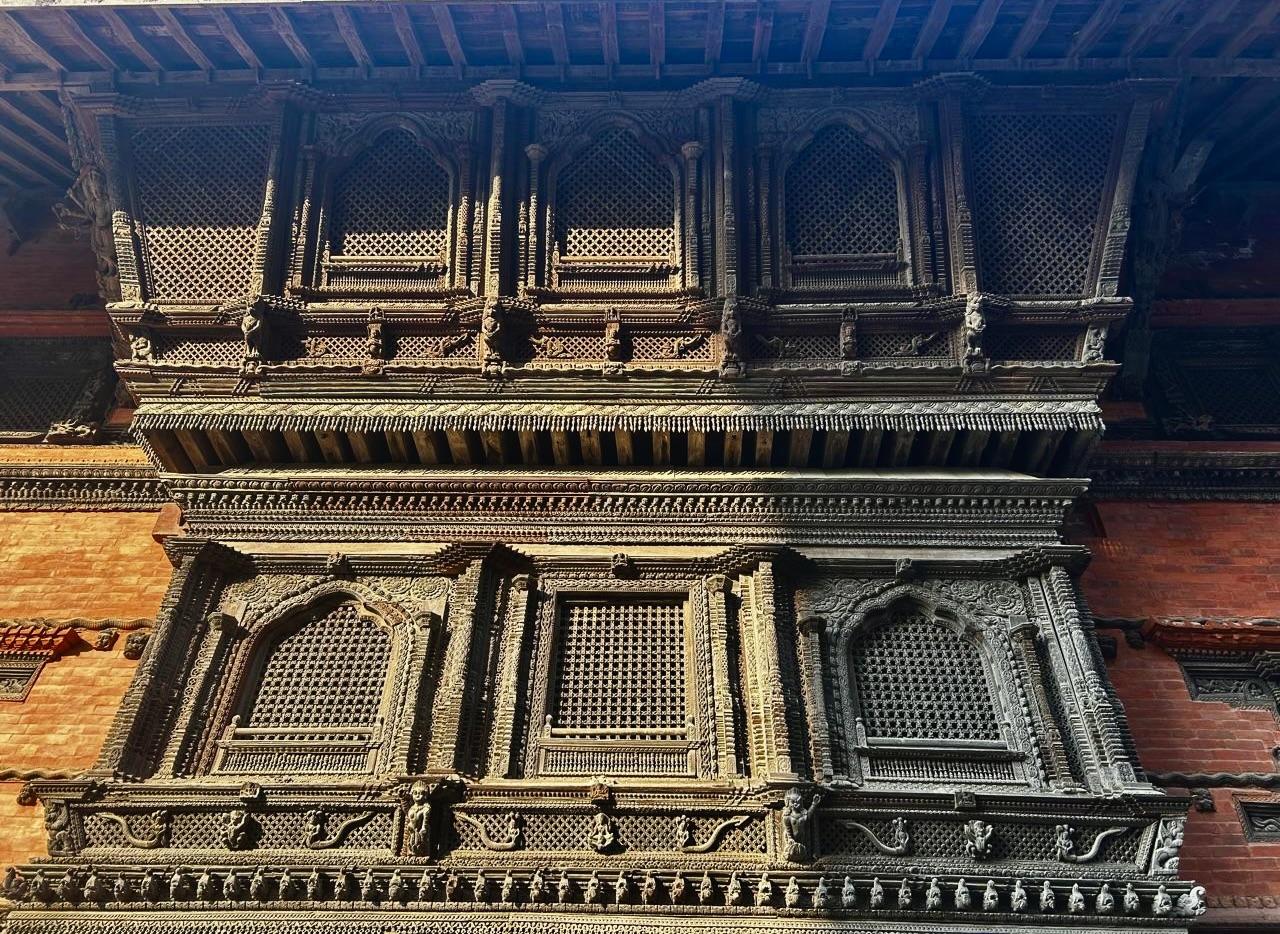
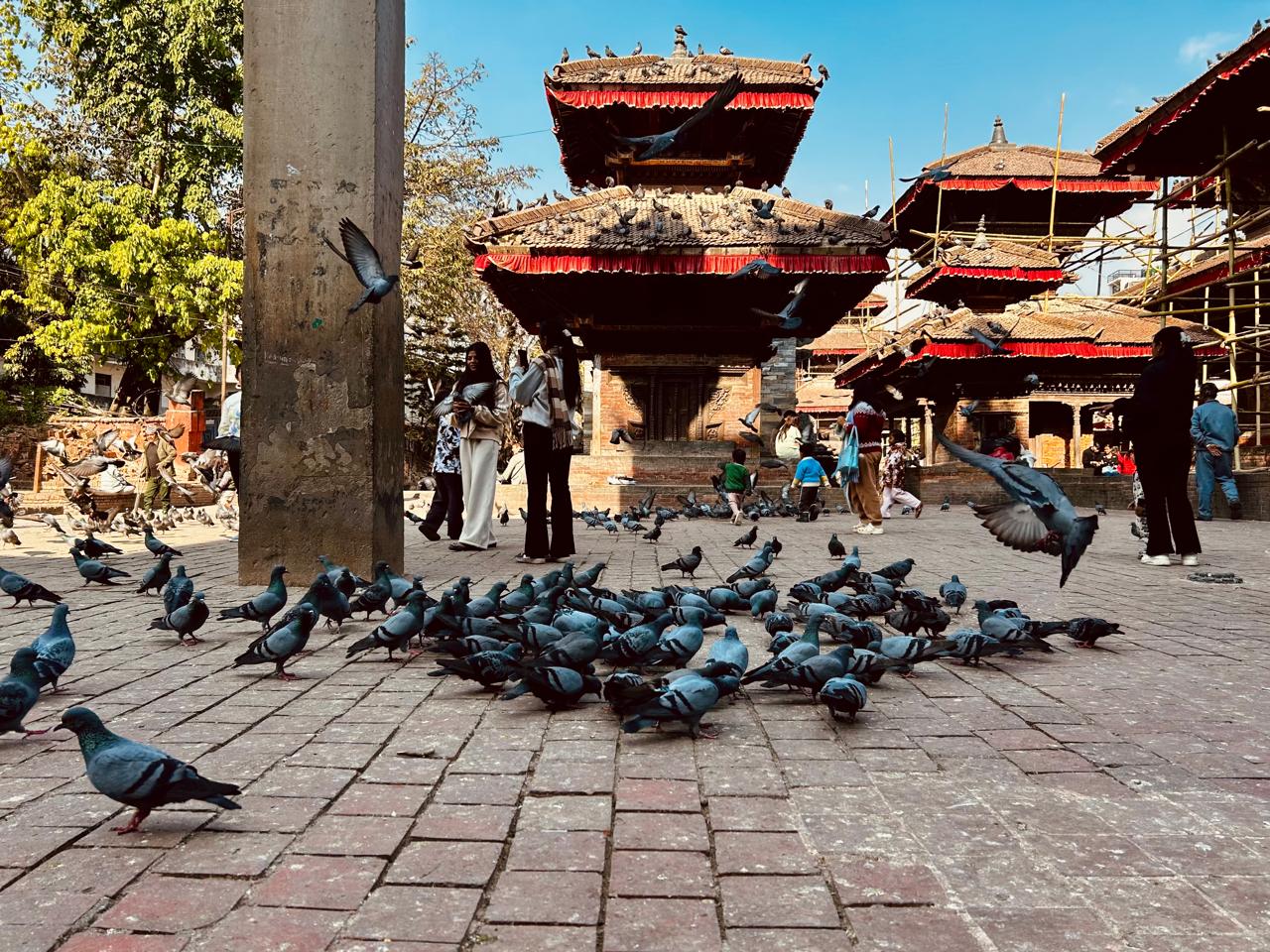
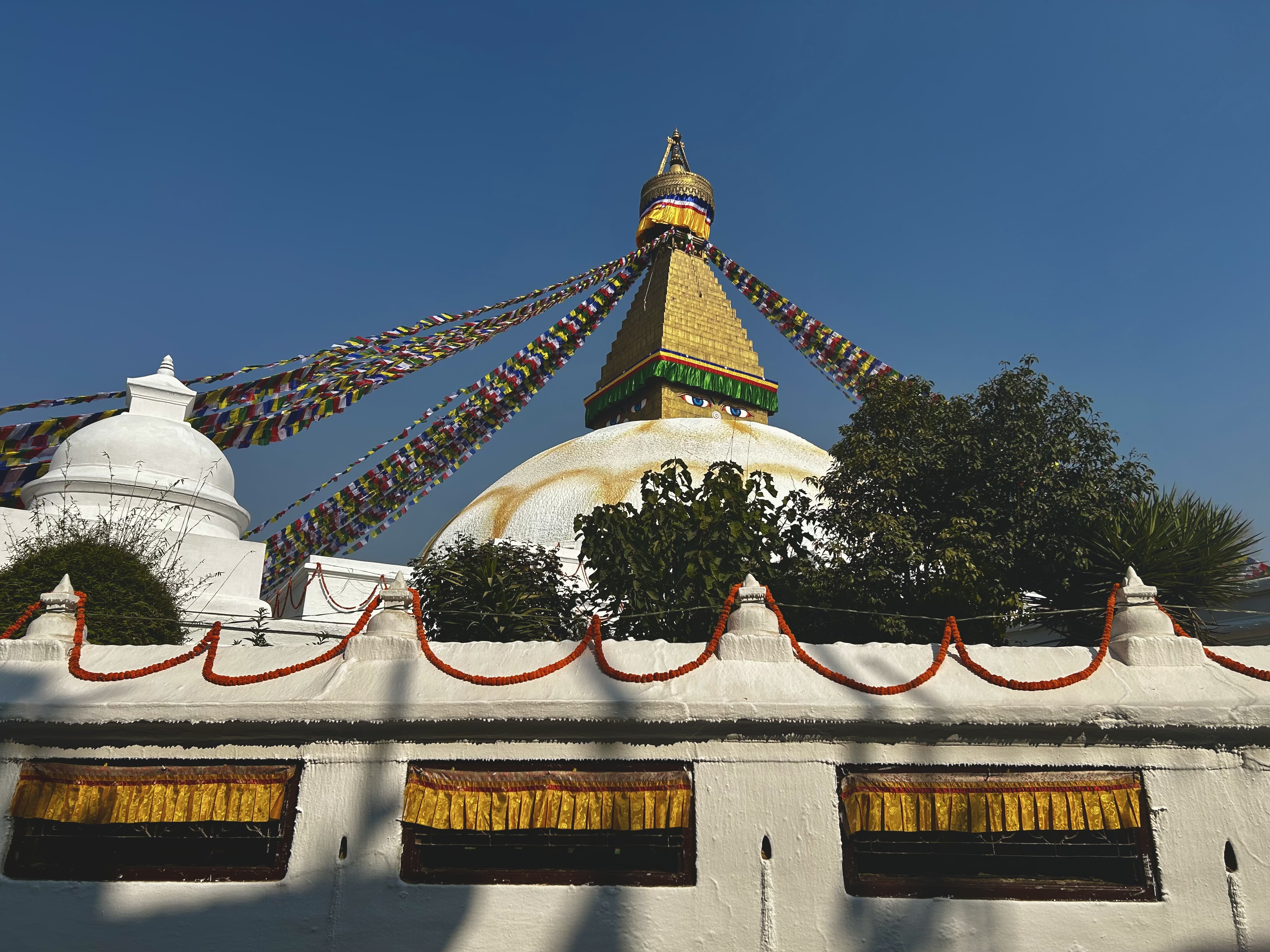
This time we chose a slower, more intentional pace. With four days to ourselves, my husband and I explored the city with fresh eyes—discovering Newari culture and cuisine and walking among some of the oldest temples and monuments at Kathmandu Durbar Square and Patan Durbar Square. The divine energy at Pashupatinath felt almost palpable. Circling Boudhanath’s stupa and watching the mesmerizing sunset from Swayambhunath were silent, sacred moments for us.
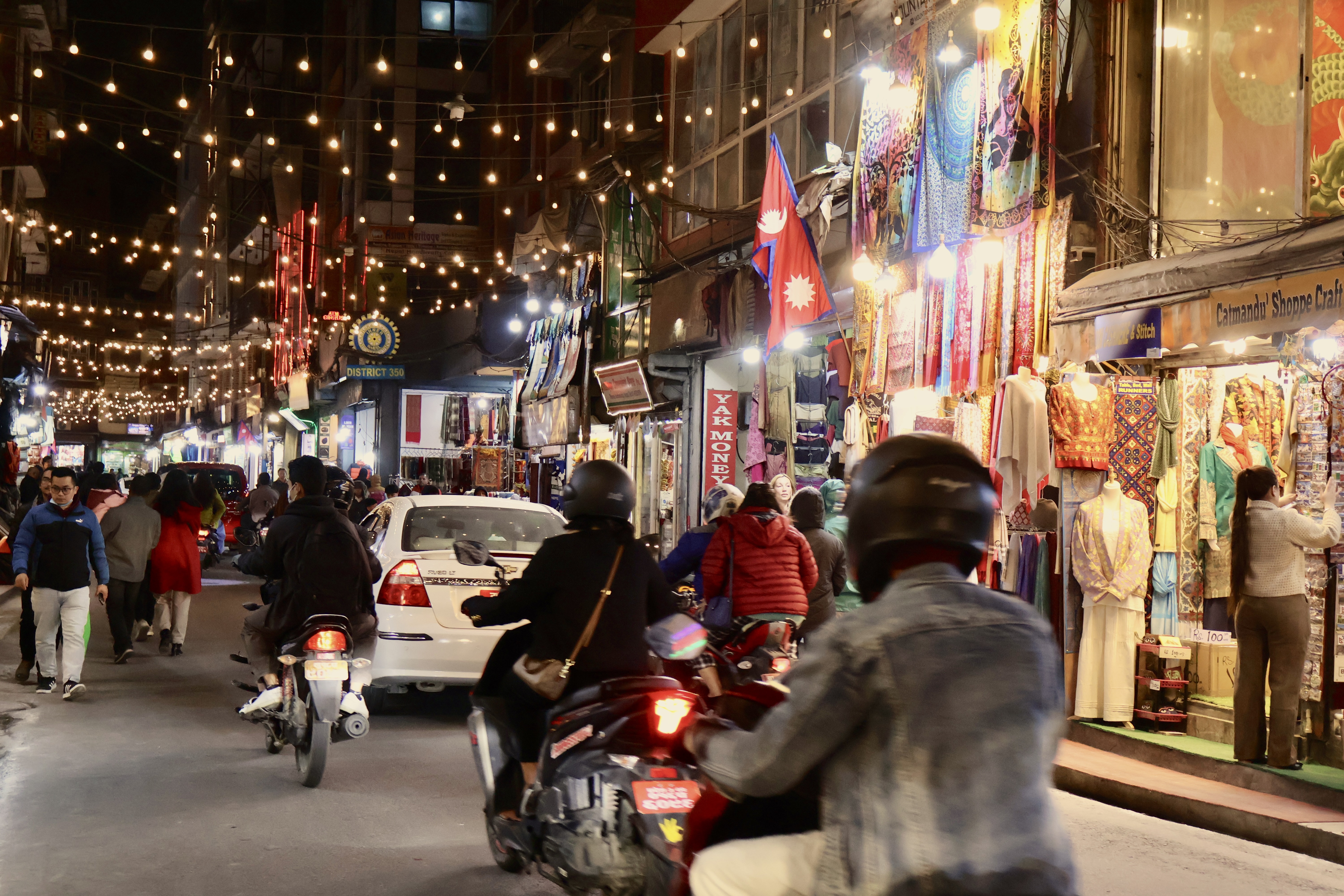
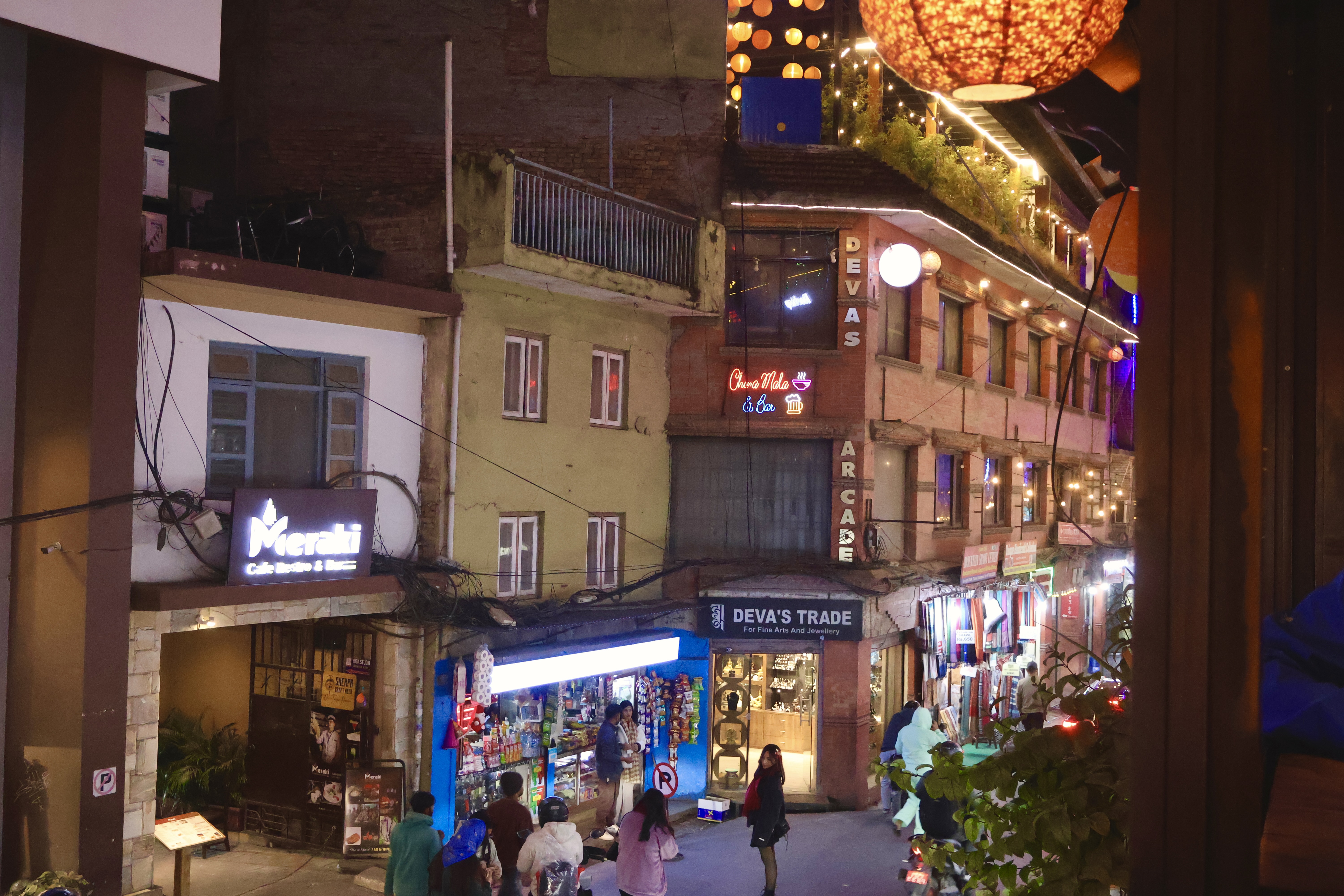
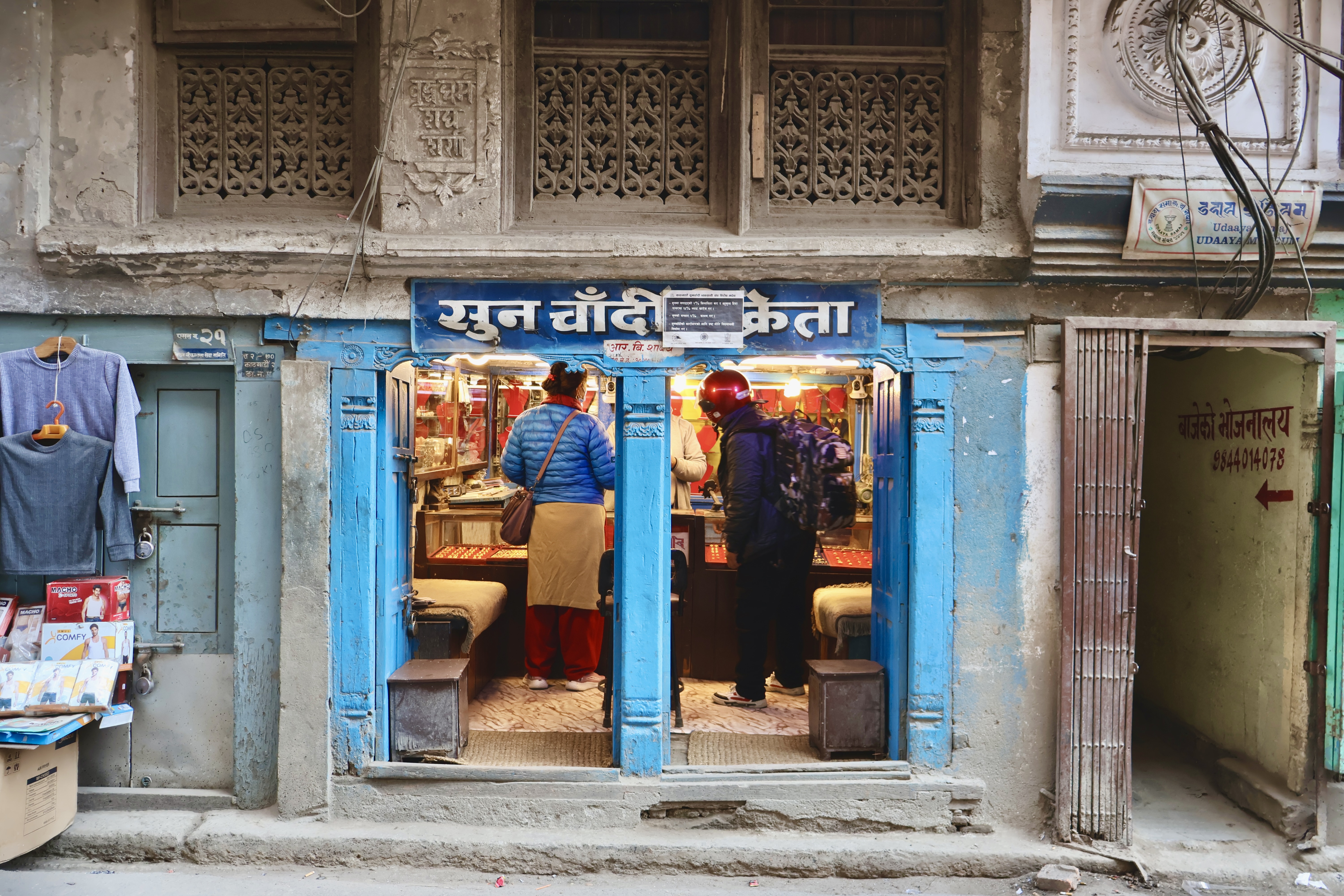
One of the quiet joys of our Kathmandu trip was wandering through Thamel—drifting past art galleries and bookshops, coffee houses and souvenir stalls, amid endless stores stacked with North Face jackets, mountaineering gear, traditional masks, and flavored teas. While meandering in the streets of Thamel, it was impossible to overlook the visible Asian influences, especially from China.
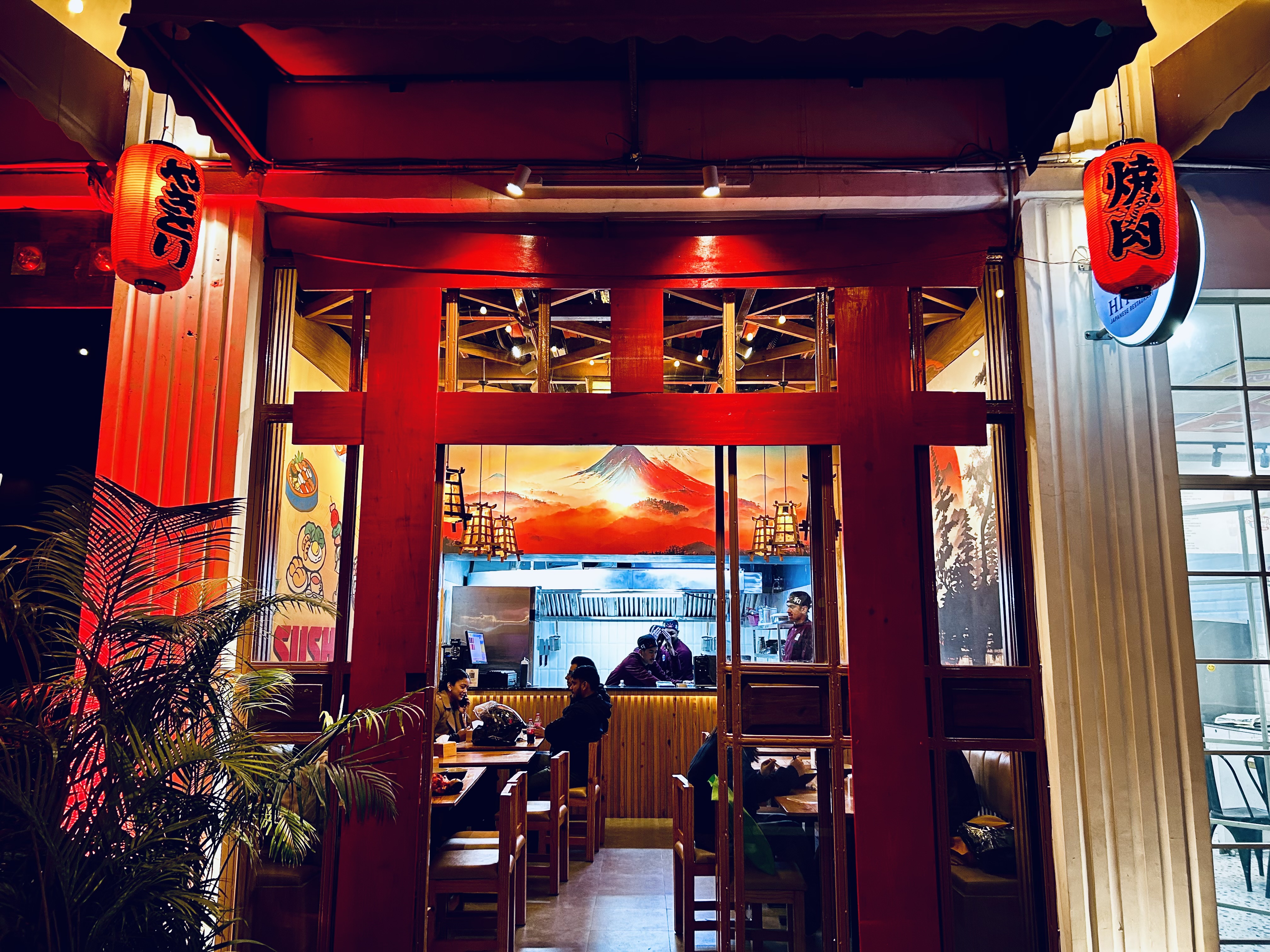
Hand-pulled noodle shops, dumpling houses, ramen kiosks, Chinese herbal tea shops, and a few K-pop-styled fashion outlets dot the streets. Sichuan-style kitchens remain perpetually packed with people. The thick aroma of fermented black beans, garlic, spices and scallions dominates the space and tantalizes passersby. As customers queue patiently for hot plates of rice, fried noodles and meat curry, the crackle of oil, the sizzle of steel woks, and the roar of gas burners make quite a show for onlookers.
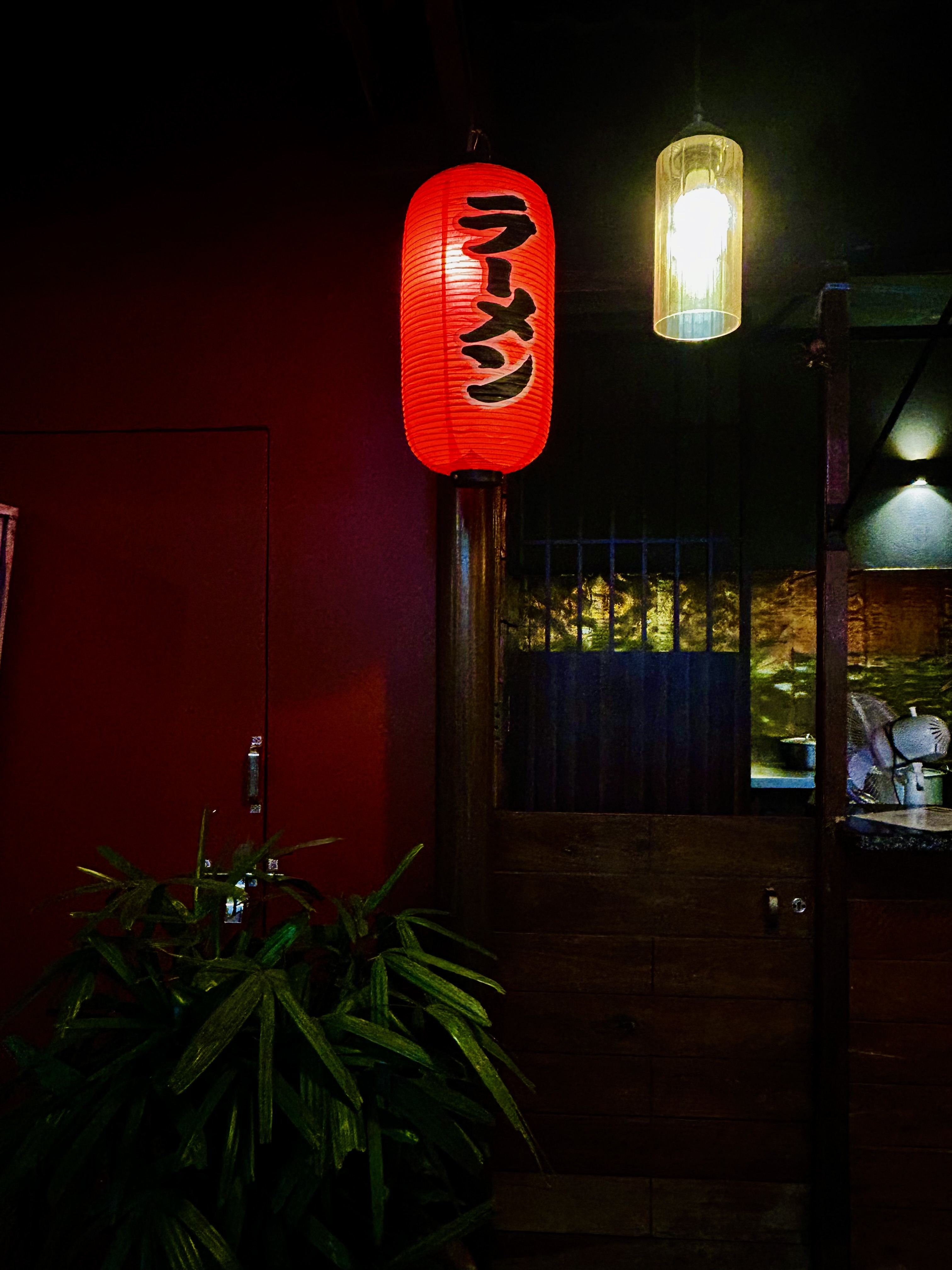
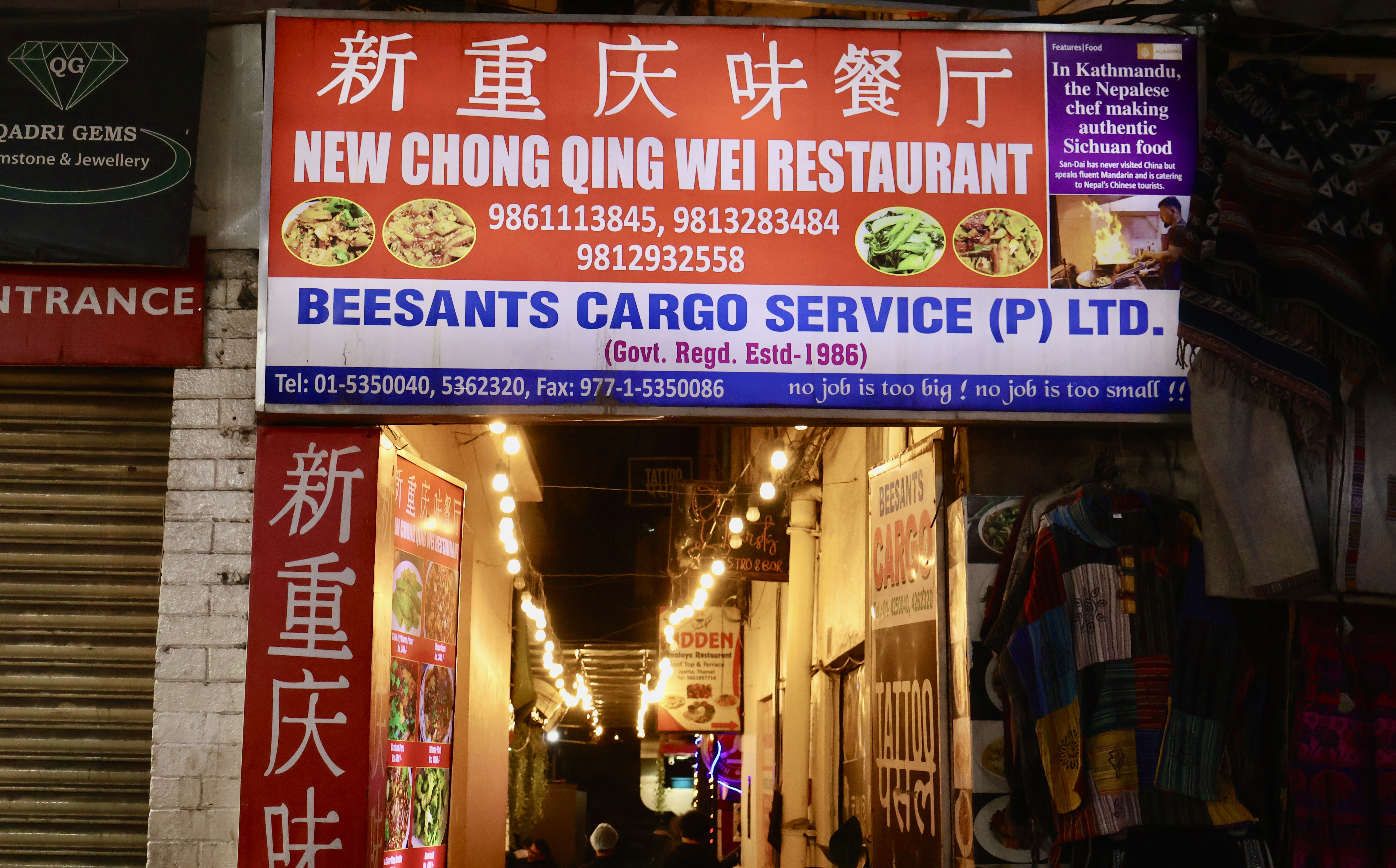
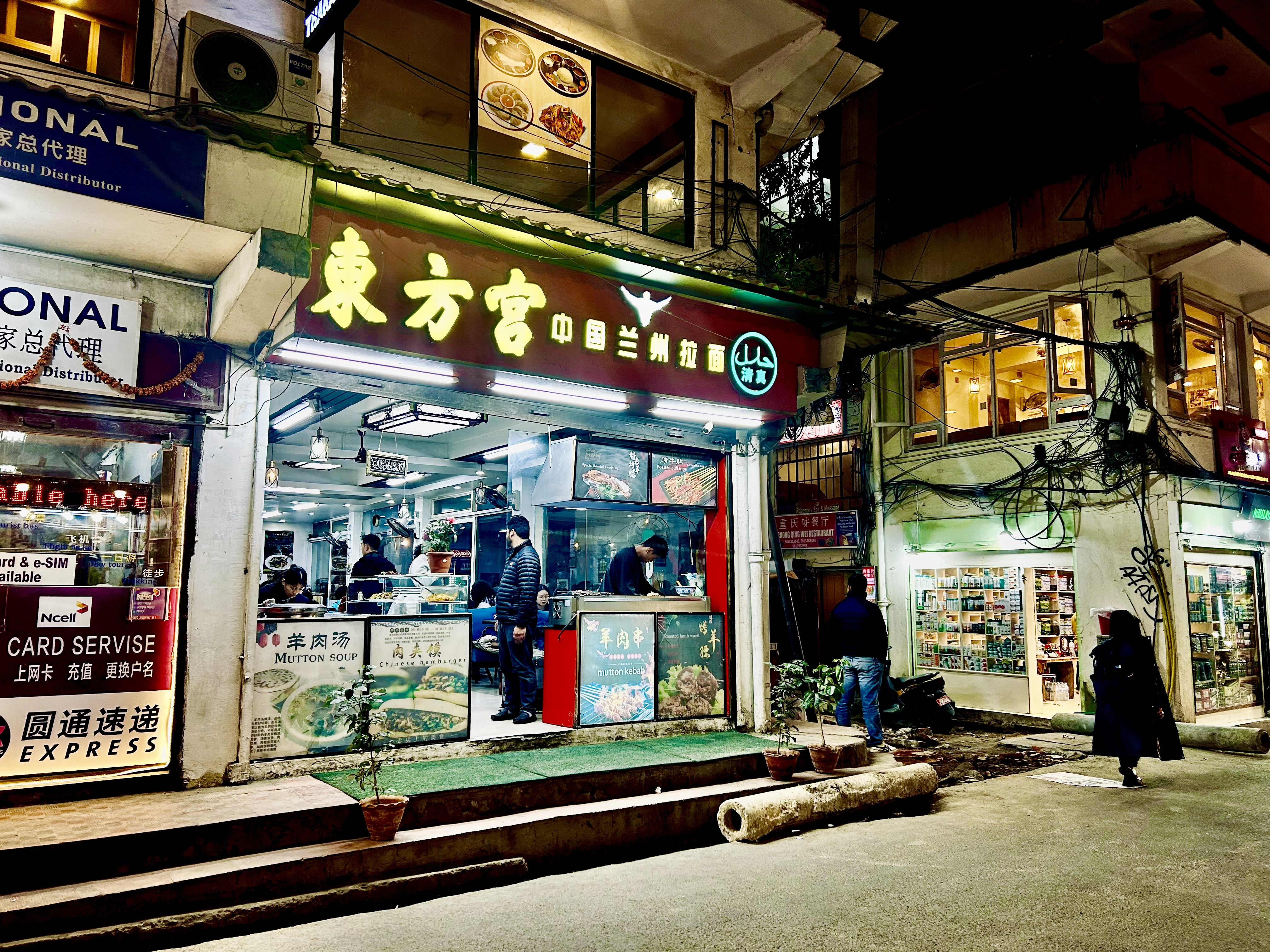
At this time of the year, especially during Christmas and New Year’s Eve, crowds thin out as most foreign tourists head home for the holidays. Footfall slows, the bustle ebbs and the streets grow quieter—but only briefly, before the locals and tourists from India, Bangladesh, and other neighboring countries pour in, breathing life back into the city.
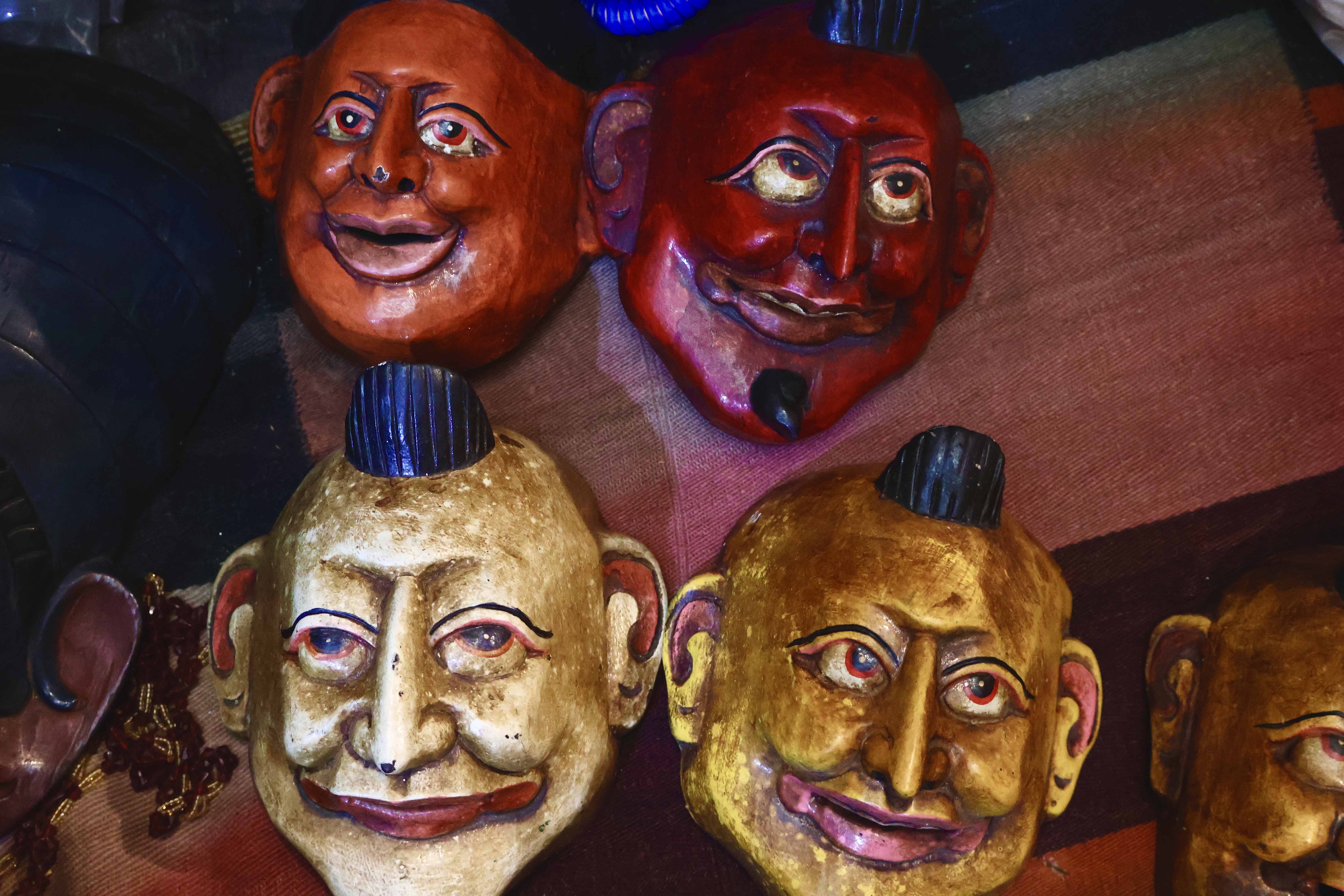
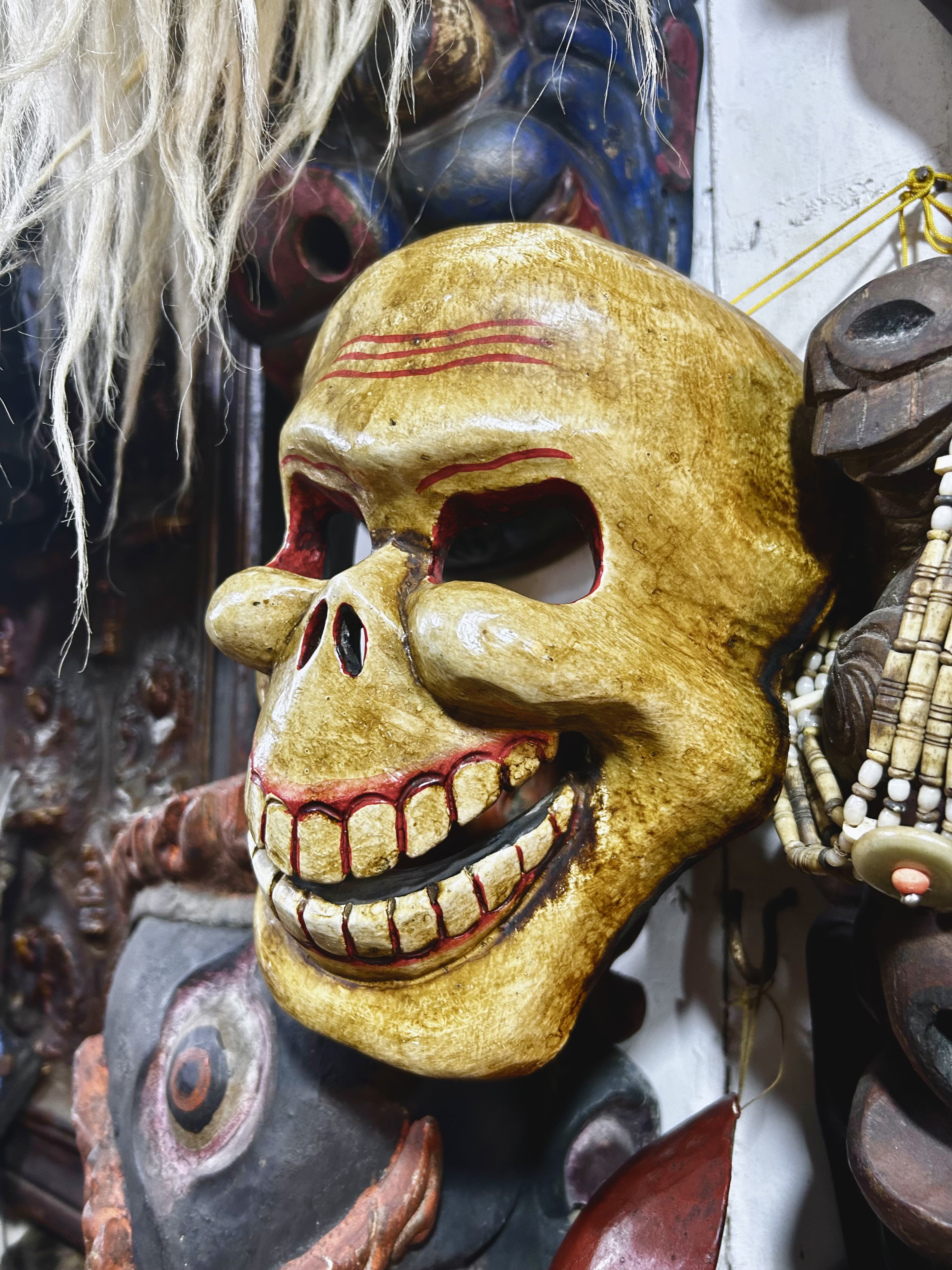
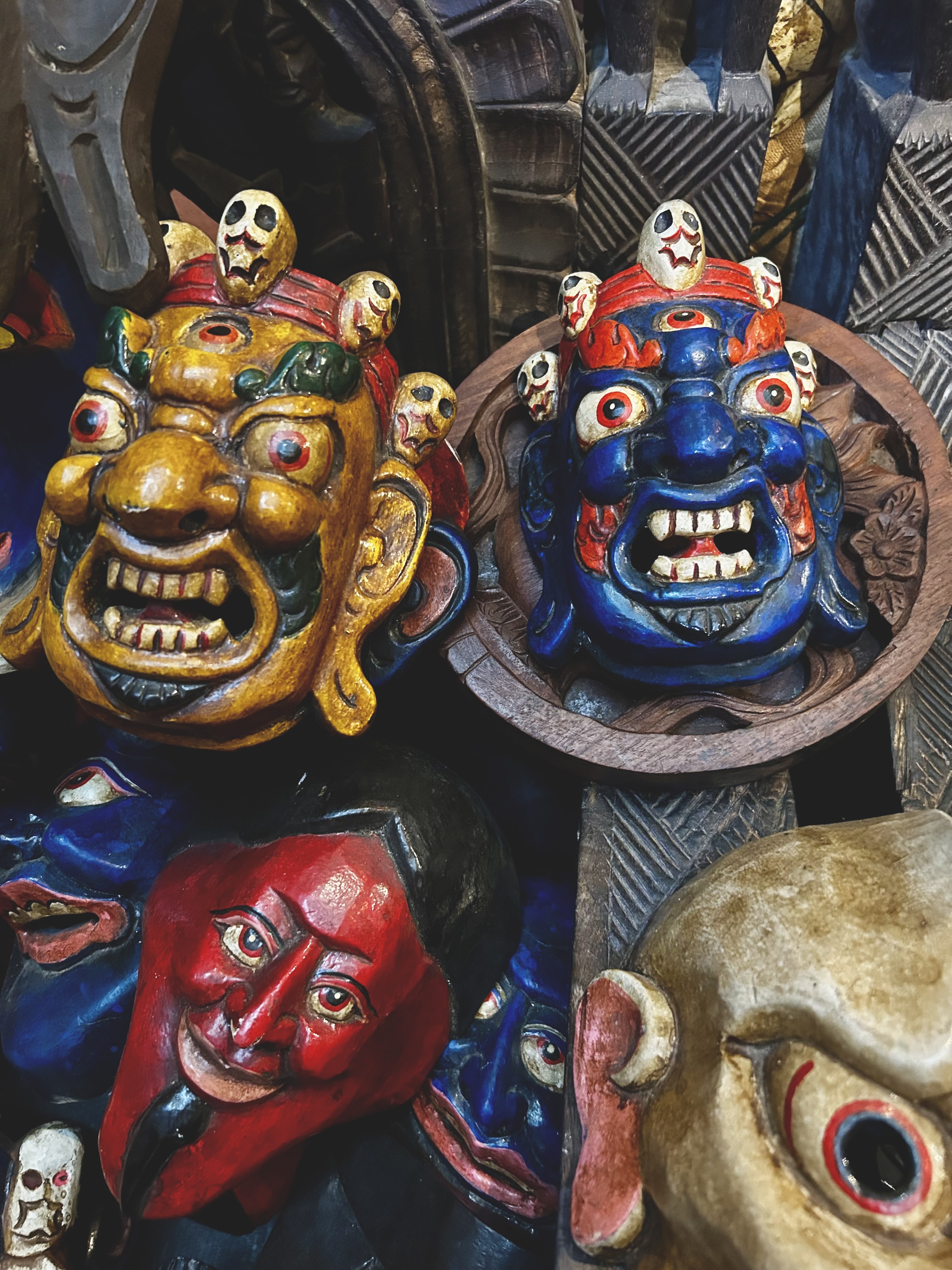

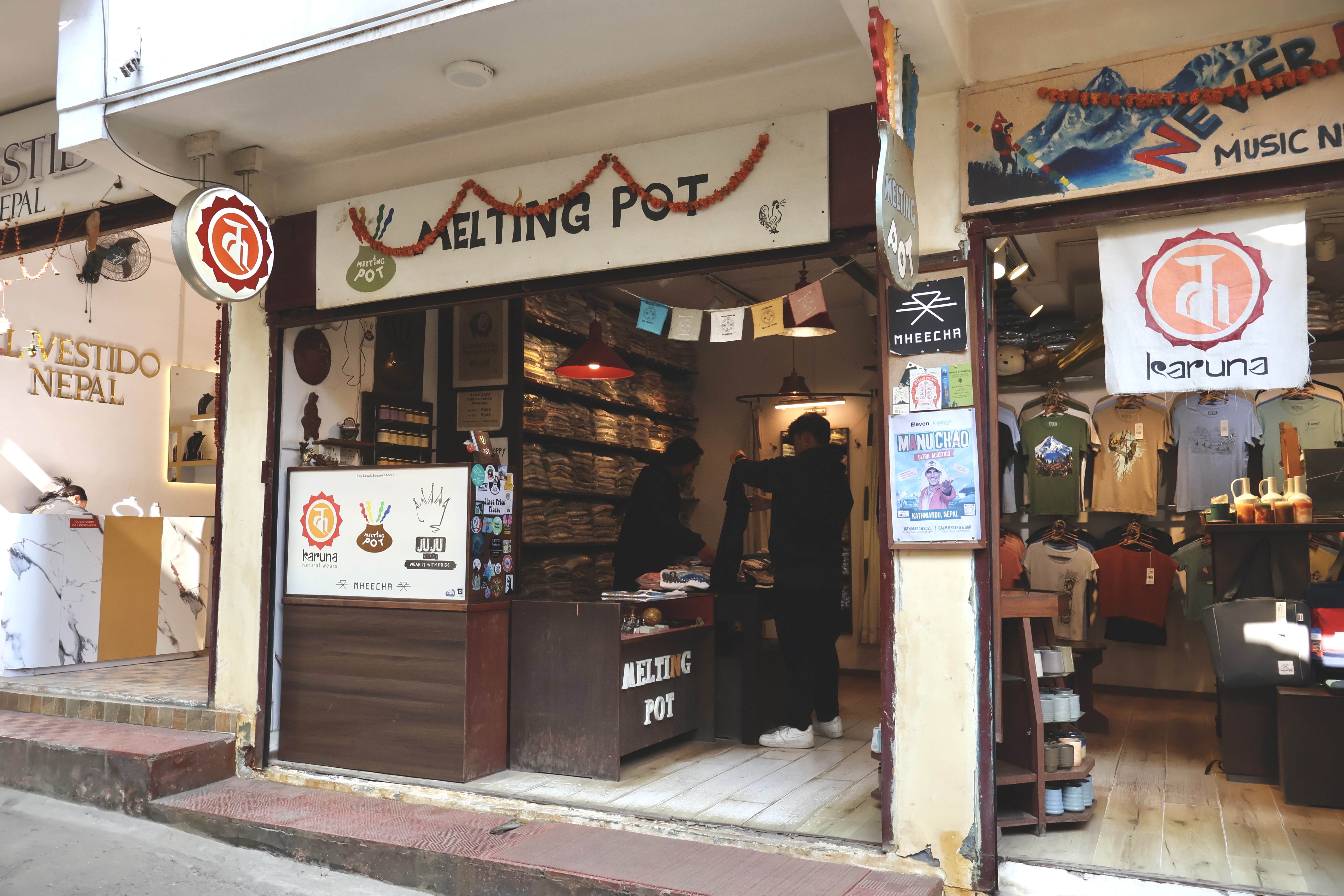
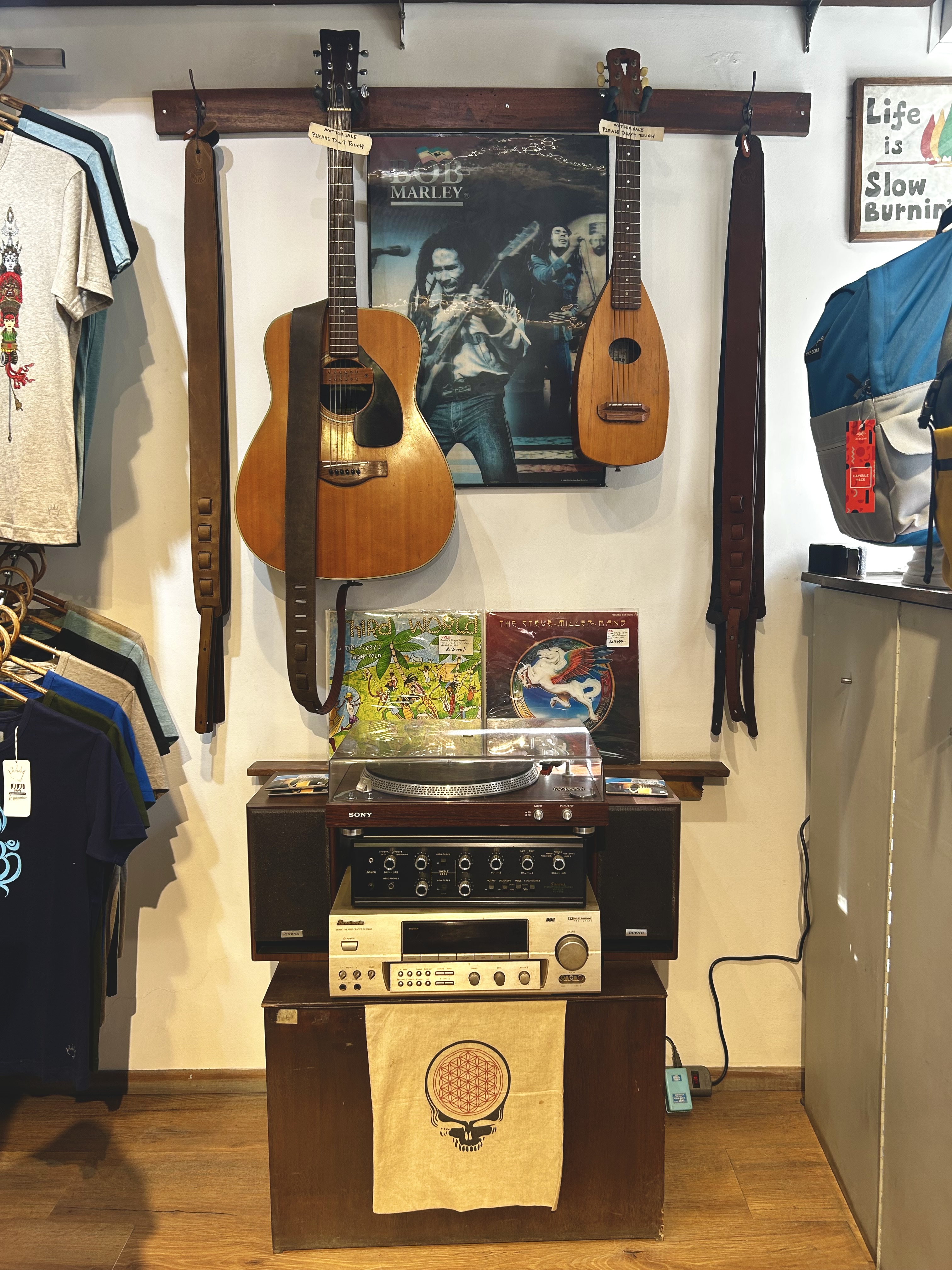
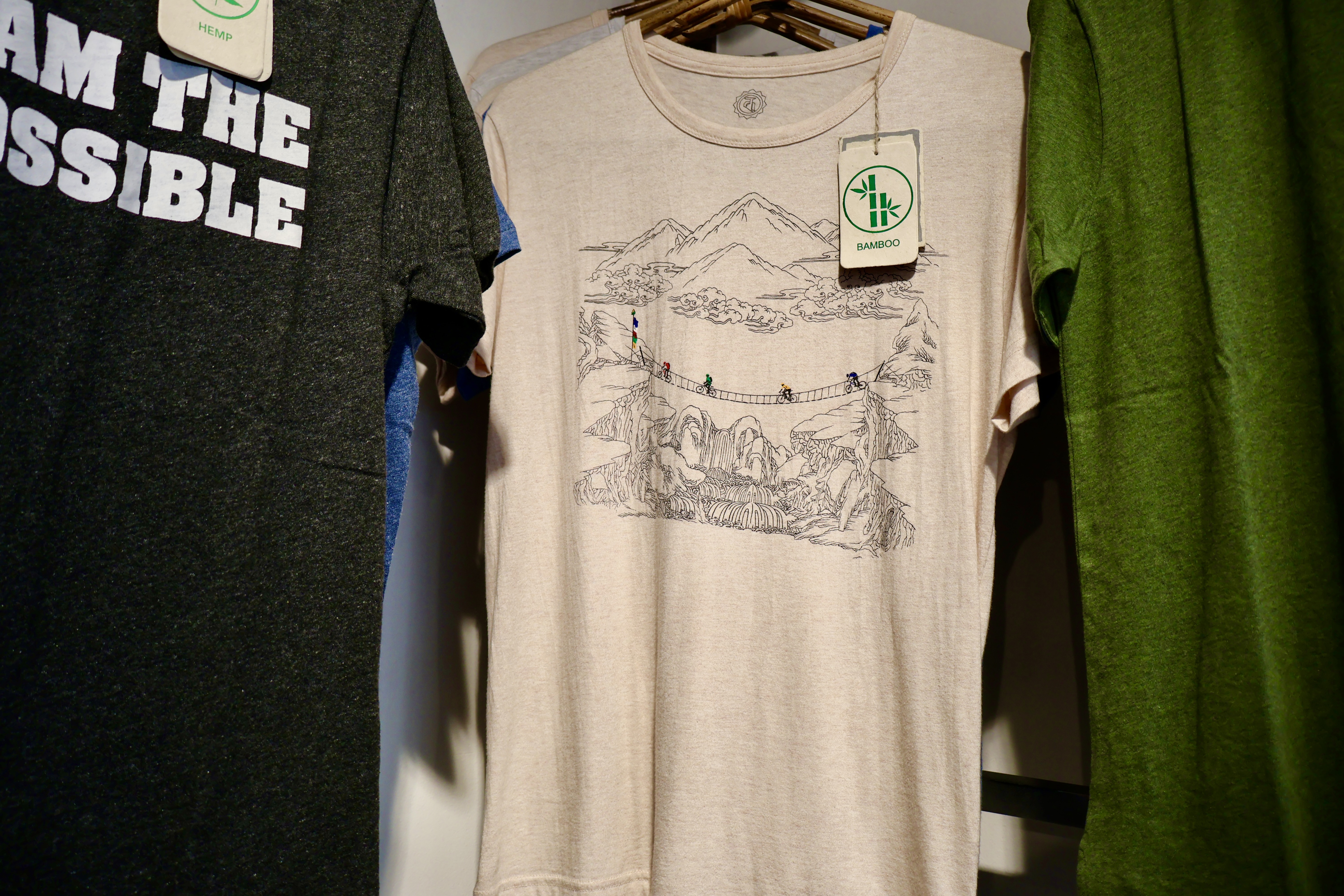
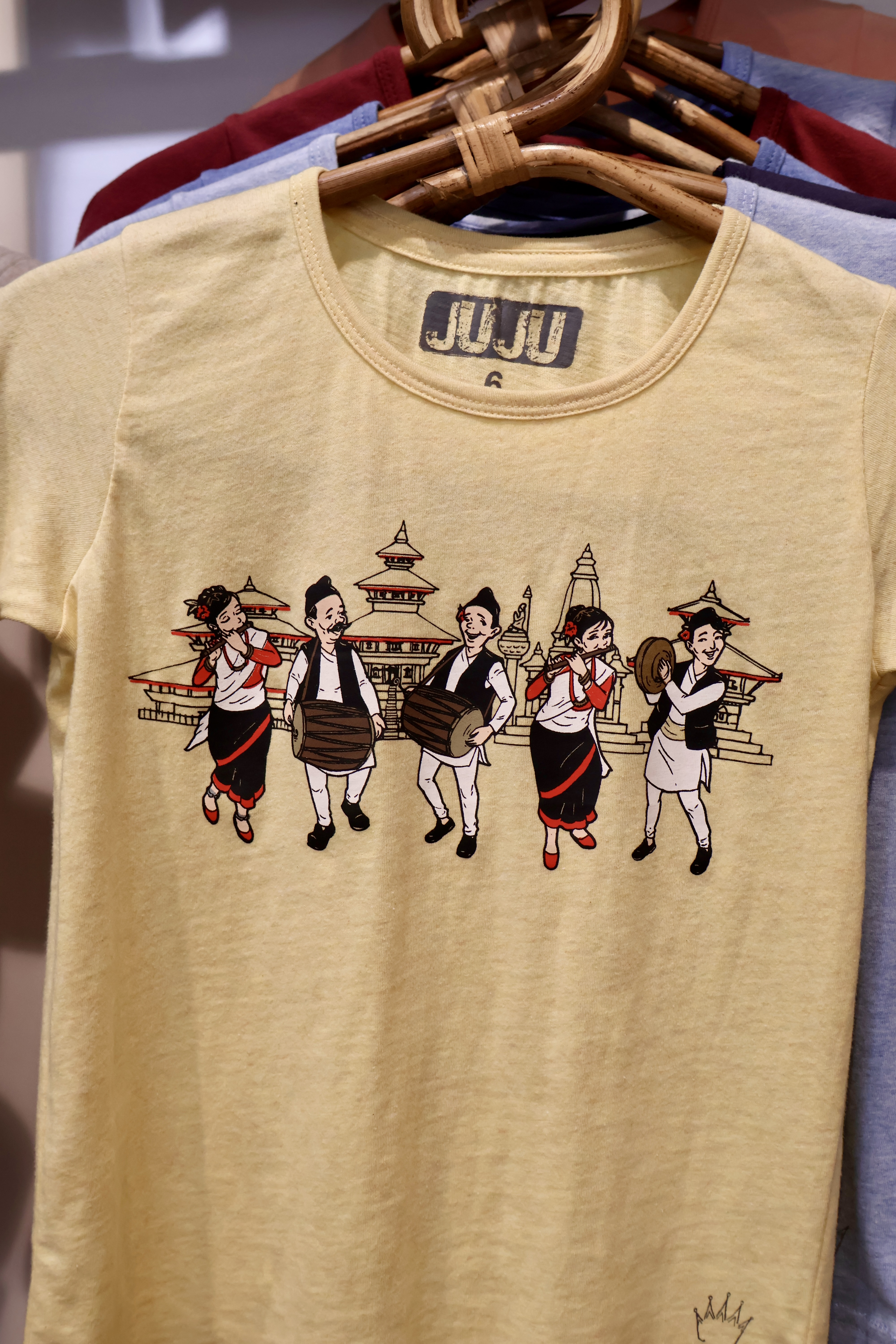
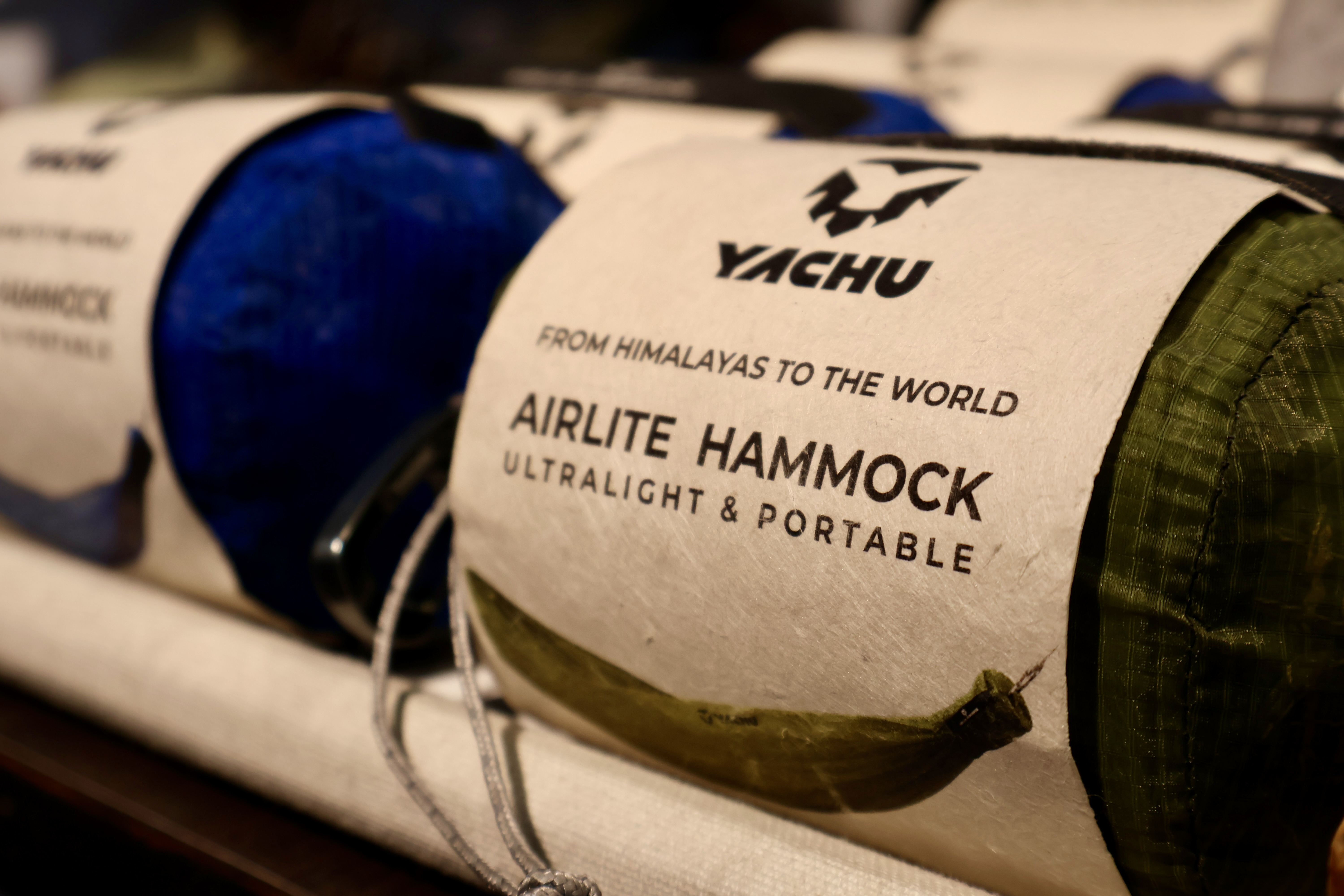
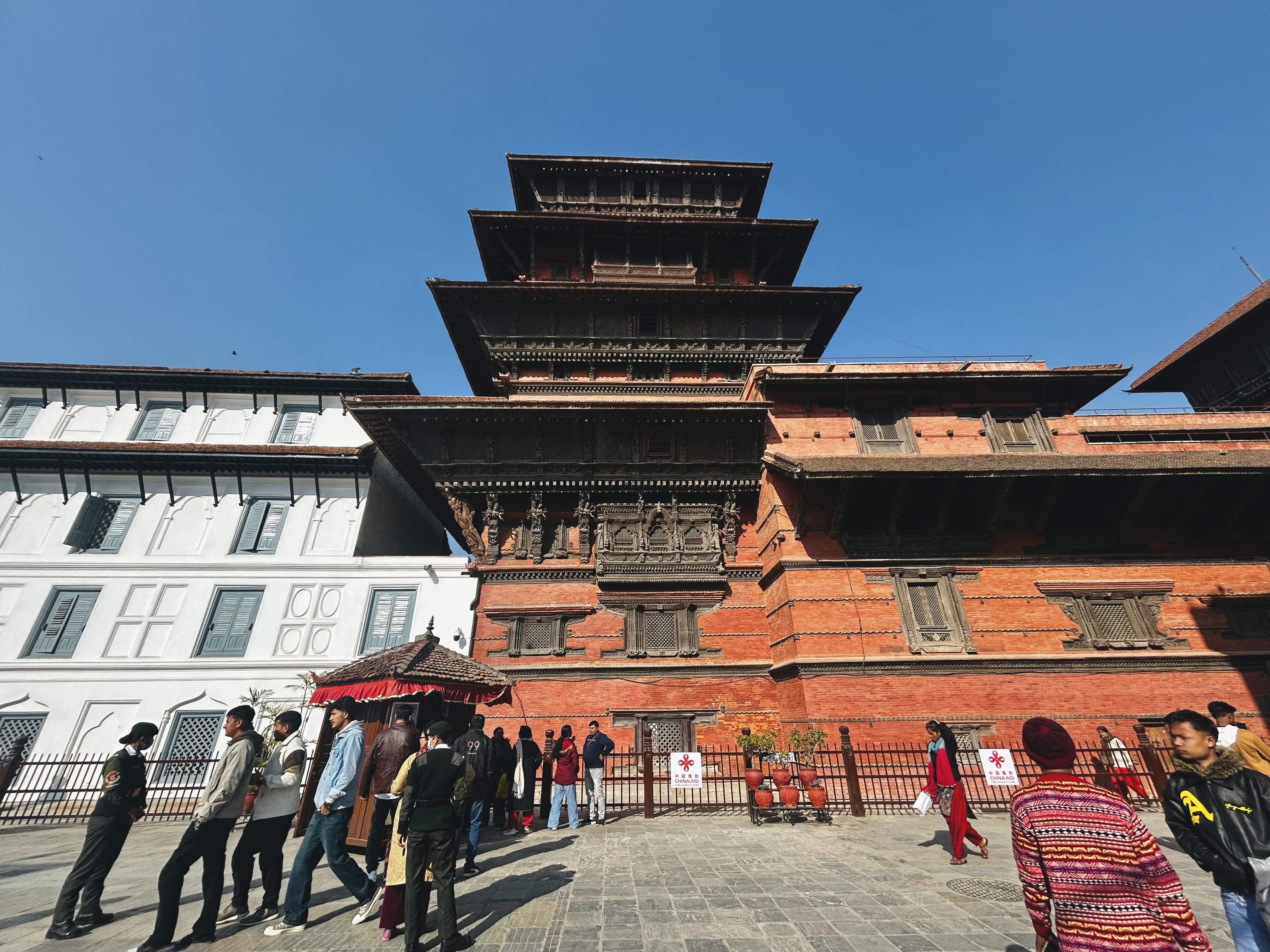
If you have 24 hours to spend in Kathmandu, you must start with Thamel market. Buy those traditional masks. Buy the softest t-shirts from Melting Pot. Browse at the Sherpa store for solid winter wear. Visit Himalayan Java Coffee once. The one at Boudha location is huge, but we particularly liked the one at Basantpur. Taste the local milk tea. Then go on to admire the Newari architecture across the three durbars: Kathmandu, Patan and Bhaktapur. For a dose of spirituality, do the kora or circumambulation at Boudhanath Stupa and take the stairs to Swayambhunath or Monkey Temple. If time allows, visit Changu Narayan—you will have then seen all seven UNESCO World Heritage sites of the valley.
Kathmandu offers a kaleidoscopic mix of traditions, faith, and restless vitality that animates everyday life. Ancient at its core yet outward-looking in spirit, it is a city that is both timeless and cosmopolitan, with ease.
And that’s what I call—the Kathmandu effect.
Discover more from
Subscribe to get the latest posts sent to your email.
 amritaduorah.com