My photo essay Sarzameen-e-Firdous or Land of Paradise is a portrait of Srinagar — a city steeped in history and shaped by centuries of culture, craftsmanship and tradition.
Nearly 15 years later, I returned to the valley in the spring of 2024.
I photographed, I observed, and I absorbed as much of everyday life as I could, seeking to capture the layered, grounded and at times mystical essence of Srinagar.
My visual narrative centers on people and local artisans at work, and on the valley’s idyllic, paradisiacal landscapes.
Through small vignettes, I hope to reveal the city’s architecture, fading facades, local markets and quiet corners with intimacy and depth.
Here is a glimpse of Srinagar through my eyes along with captions to add a little story to those images:
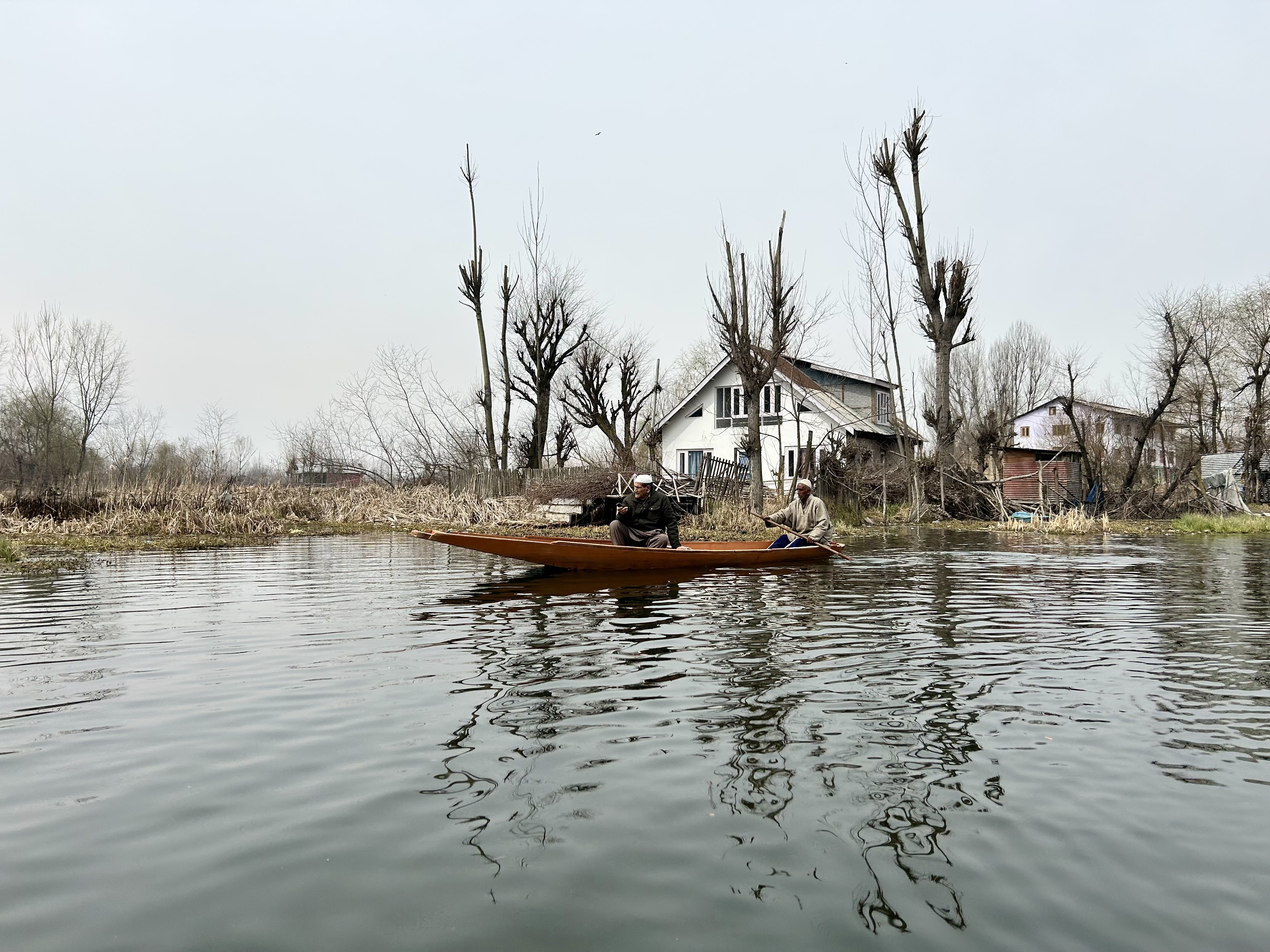
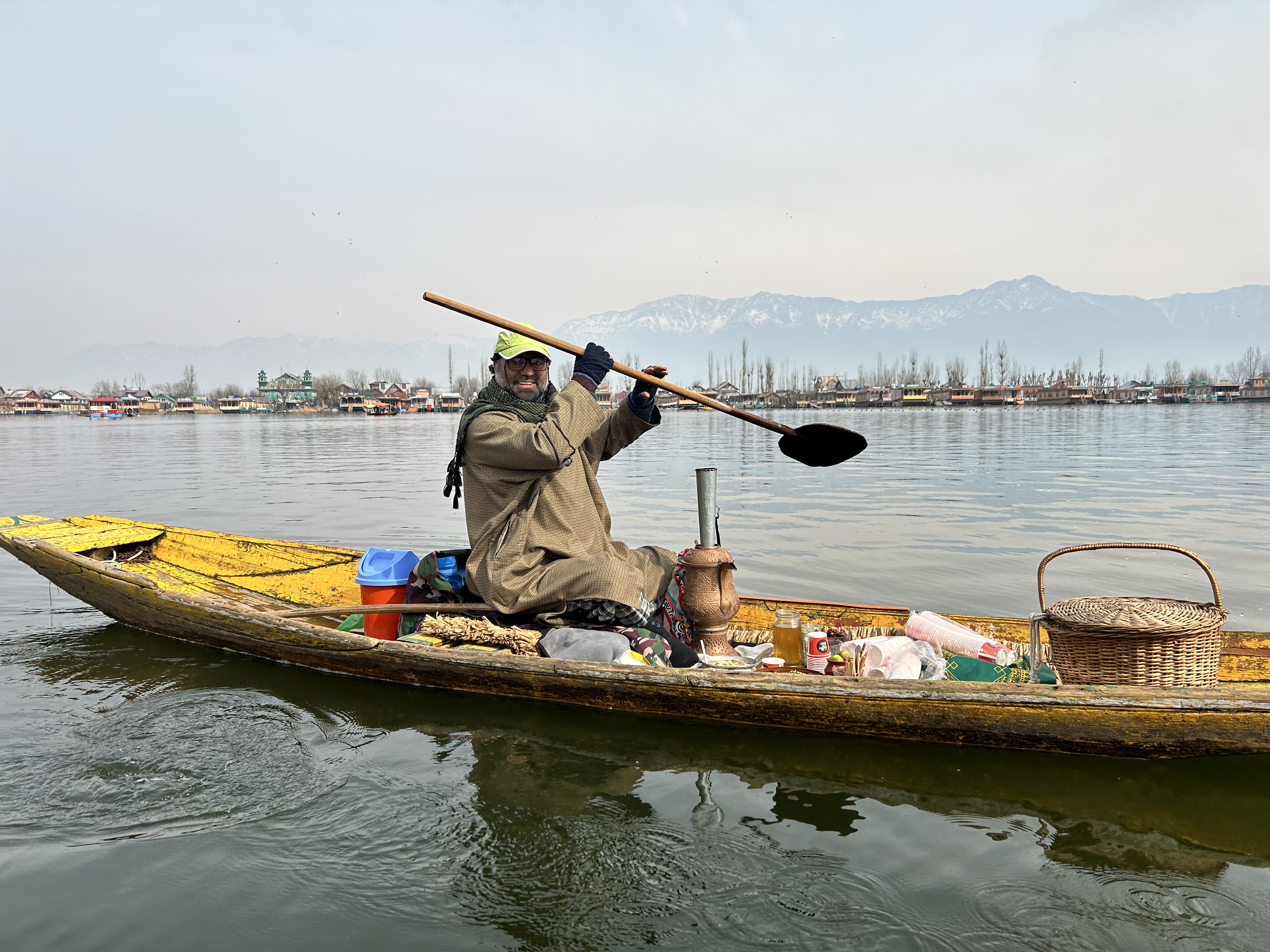
A boatman glides through Dal Lake, ferrying a merchant past stilted homes and winter-bare Chinar and willow trees.
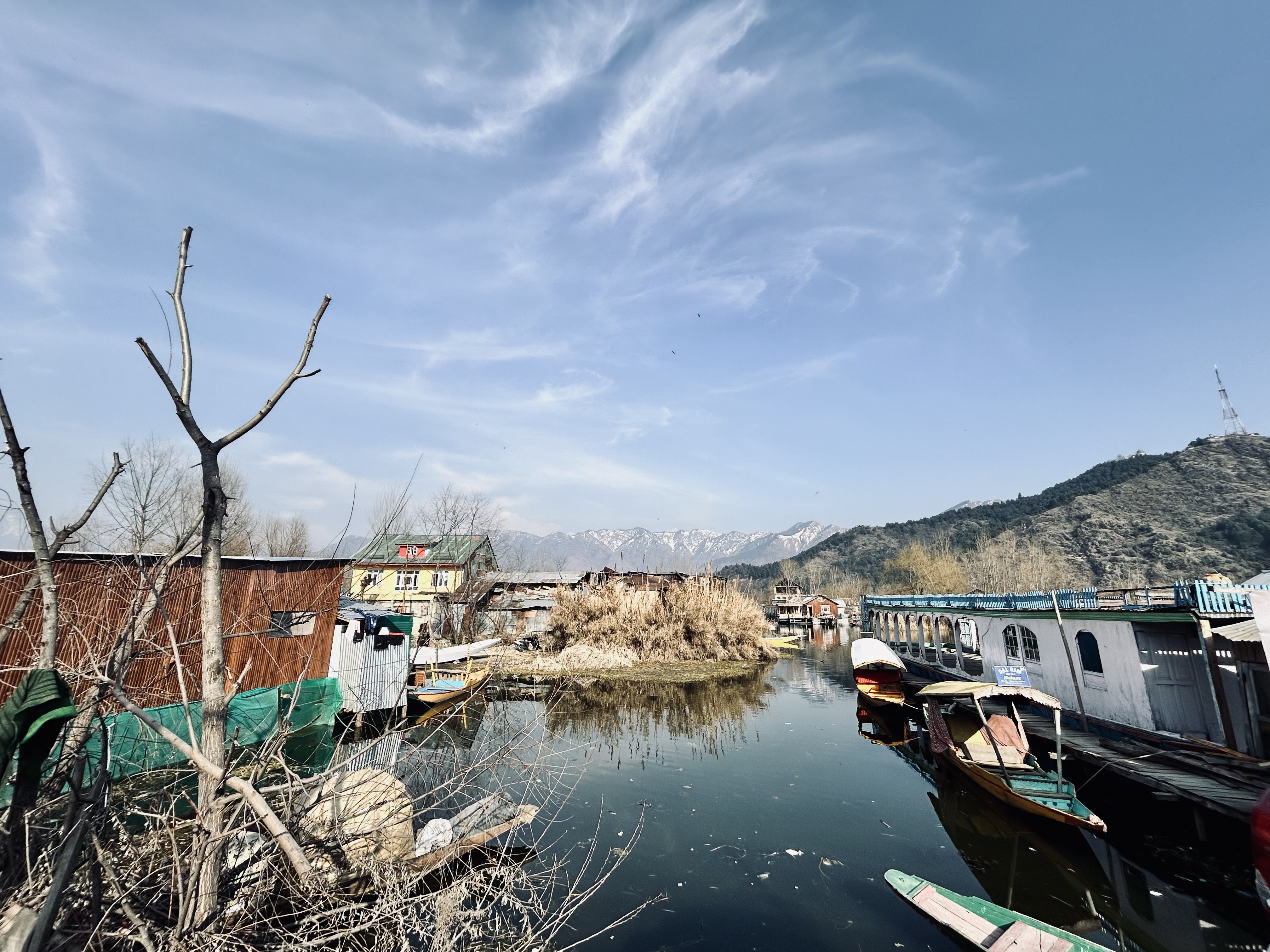
A lesser seen side of Dal Lake. Houseboats and shikaras float among patches of marshland, set against a stunning backdrop of wispy clouds and the distant Zabarwan Range.
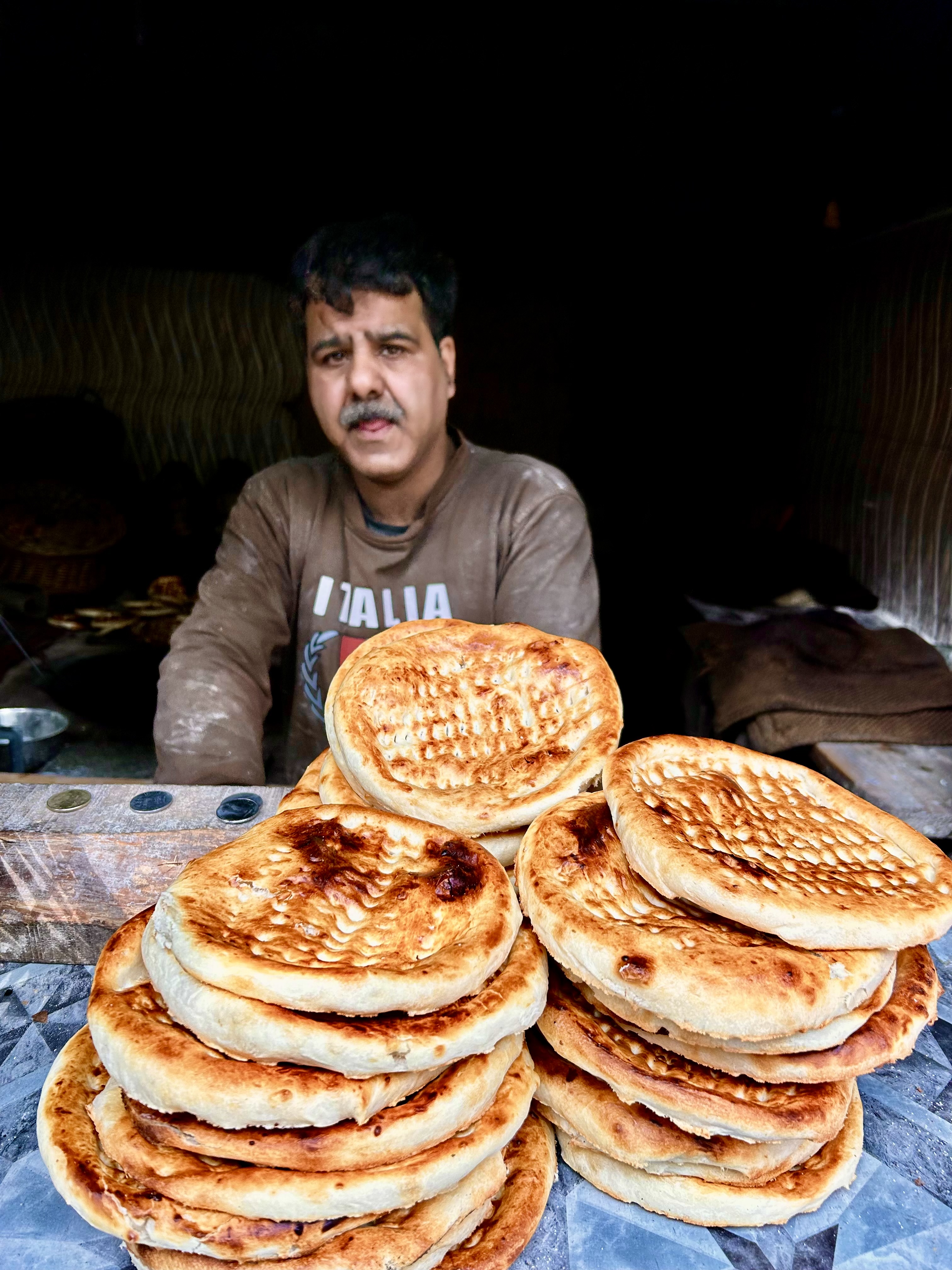
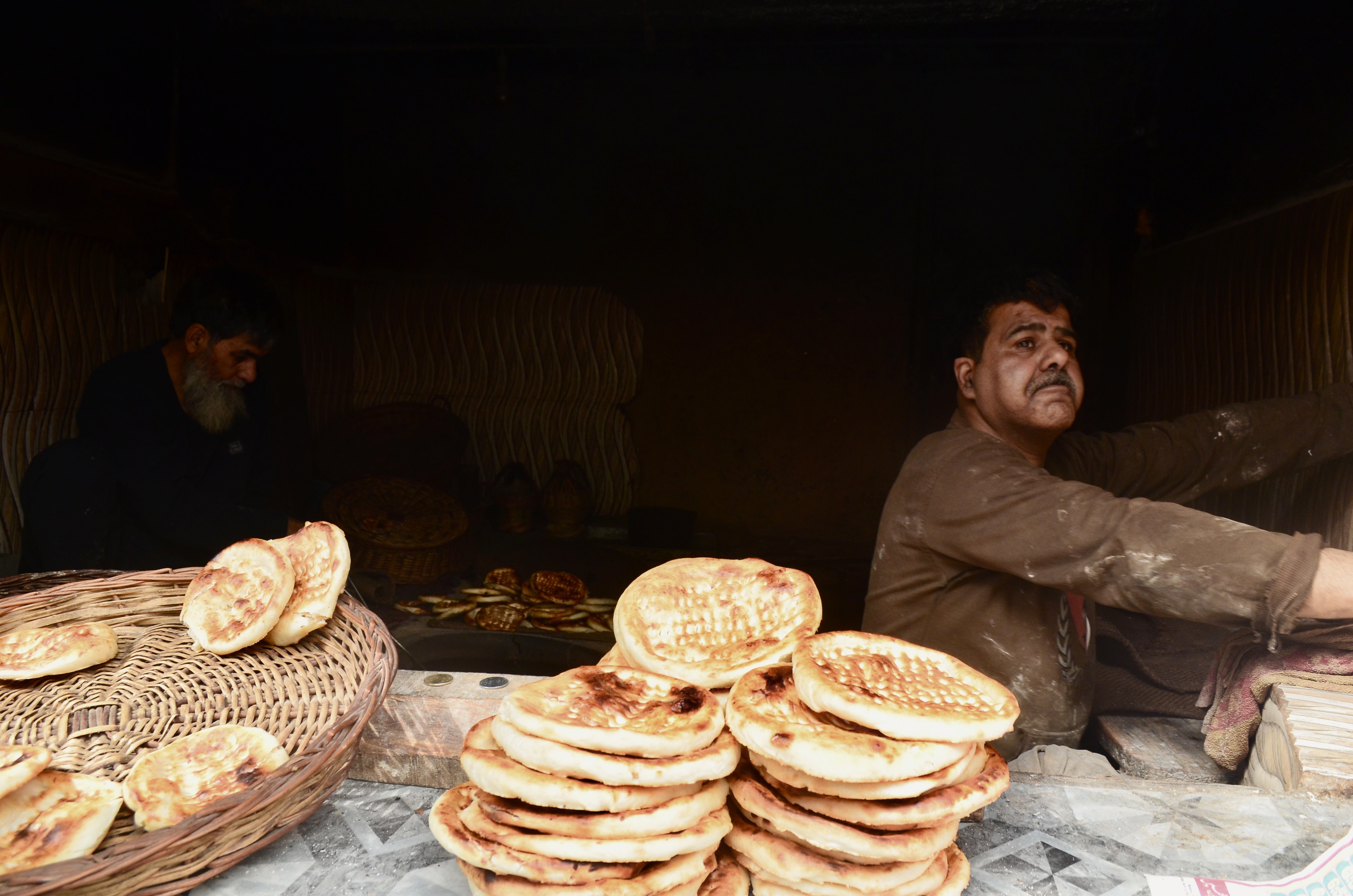
At the break of dawn, the Kandurs—Kashmir’s traditional bakers—fire up their tandoors, filling the air with the scent of warm bread.
Handmade from scratch, these bread come in distinct flavors, textures and varieties.
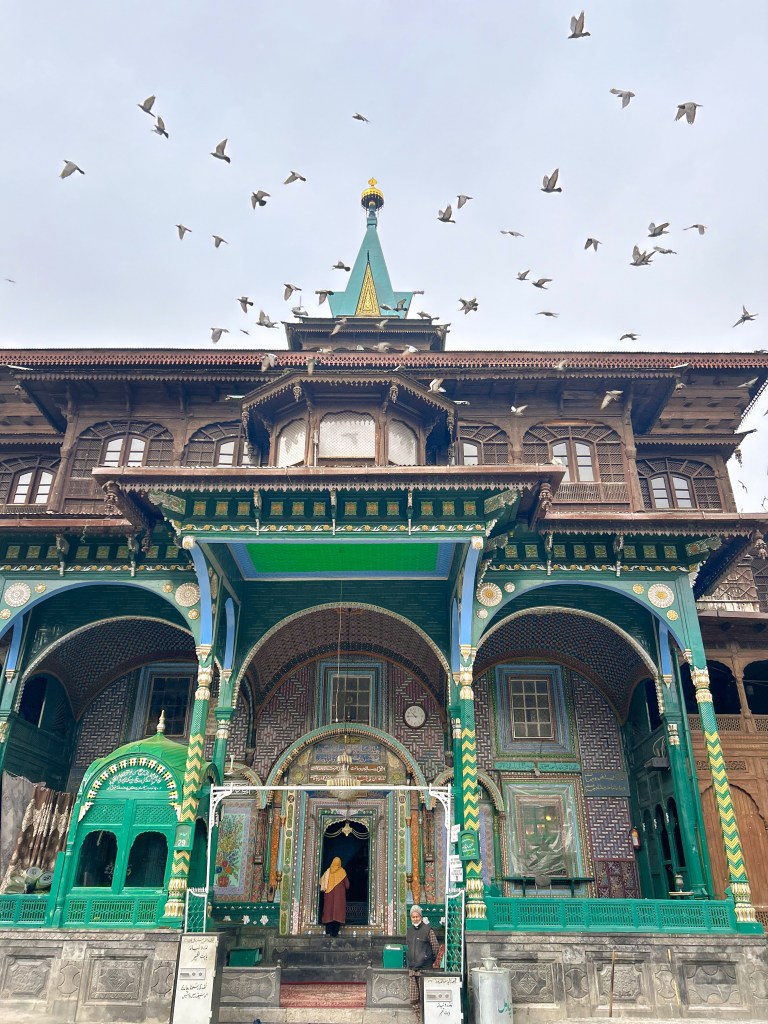
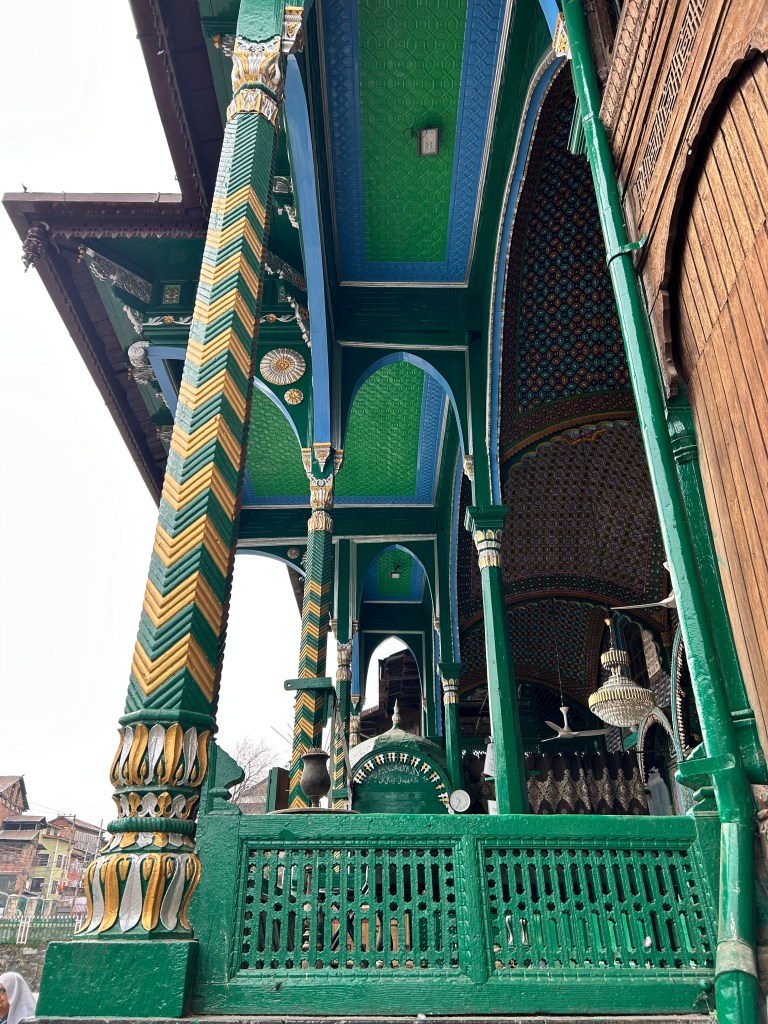
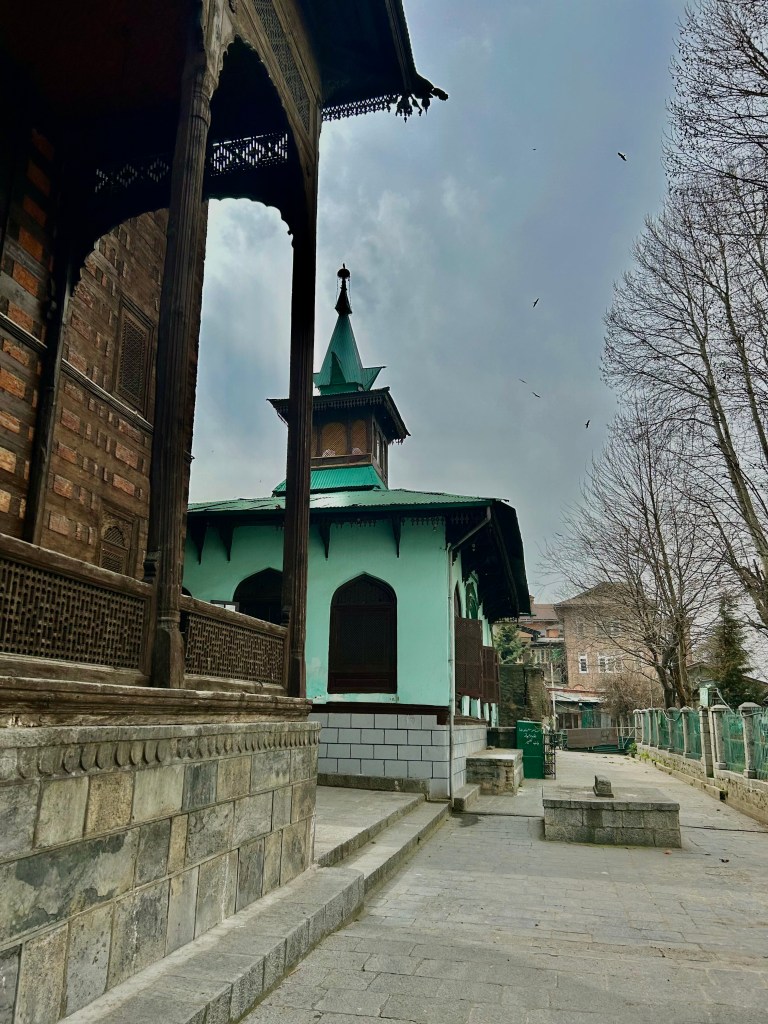
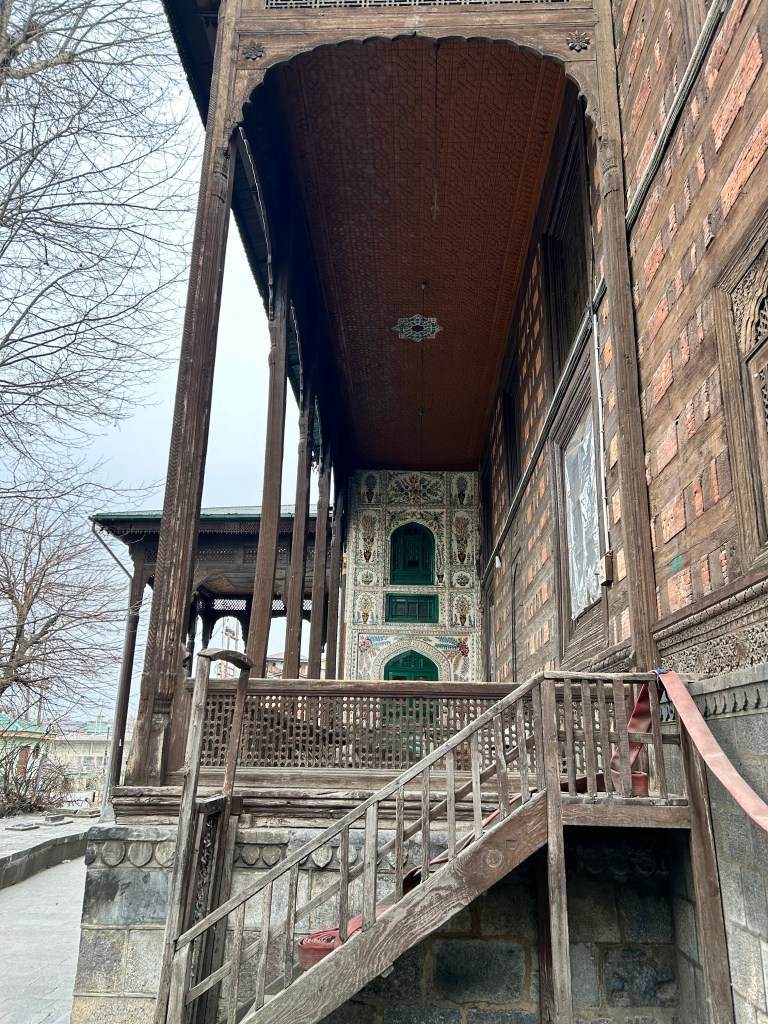
Khanqah-e-Moalla, built in 1395 in honor of Sufi saint Mir Sayyid Ali Hamadani, is an ode to enduring faith and timeless craftsmanship.
Constructed in the distinctive Kashmiri style, the shrine blends traditional artistry with Persian, Central Asian, and Buddhist influences.
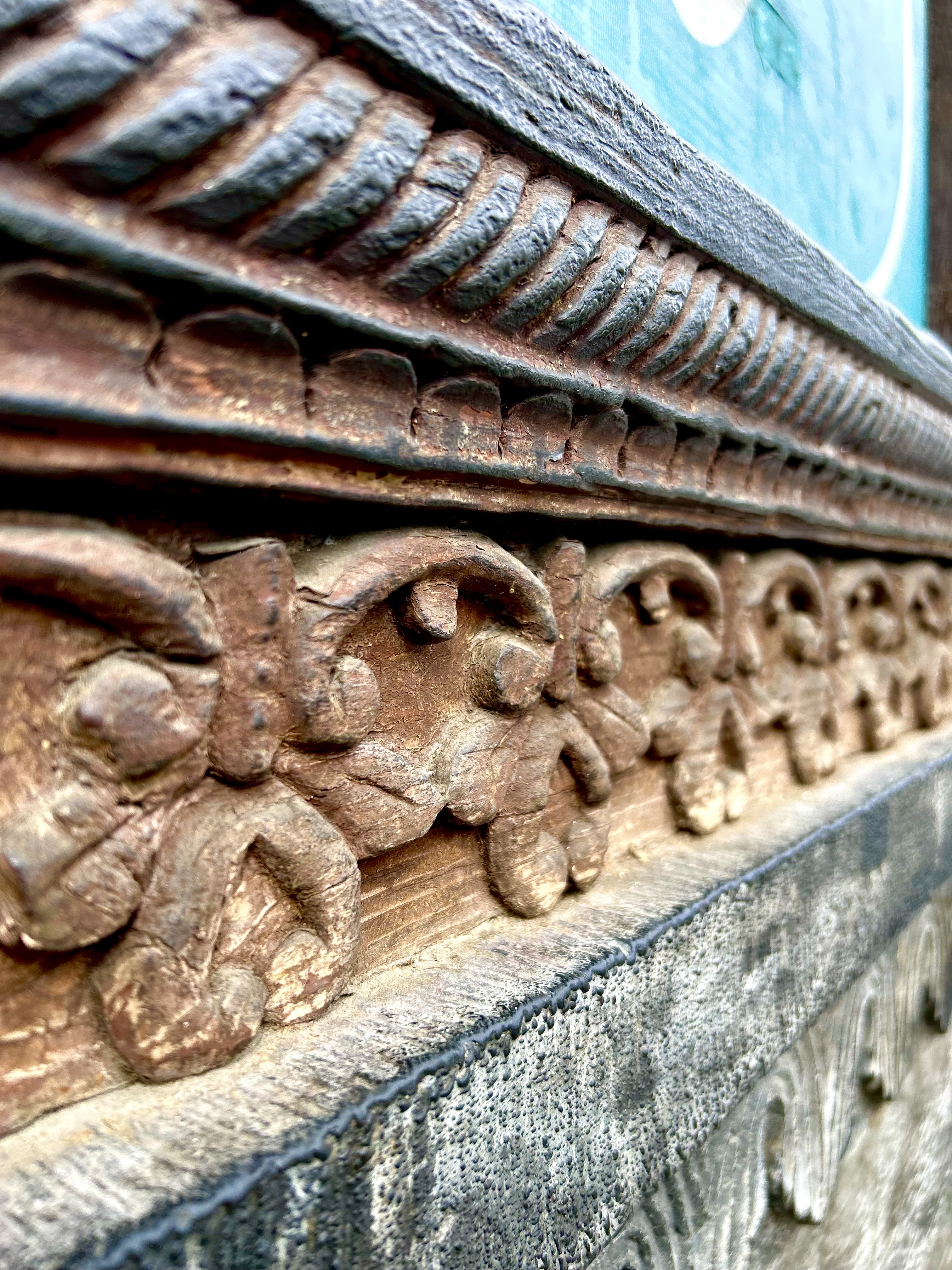
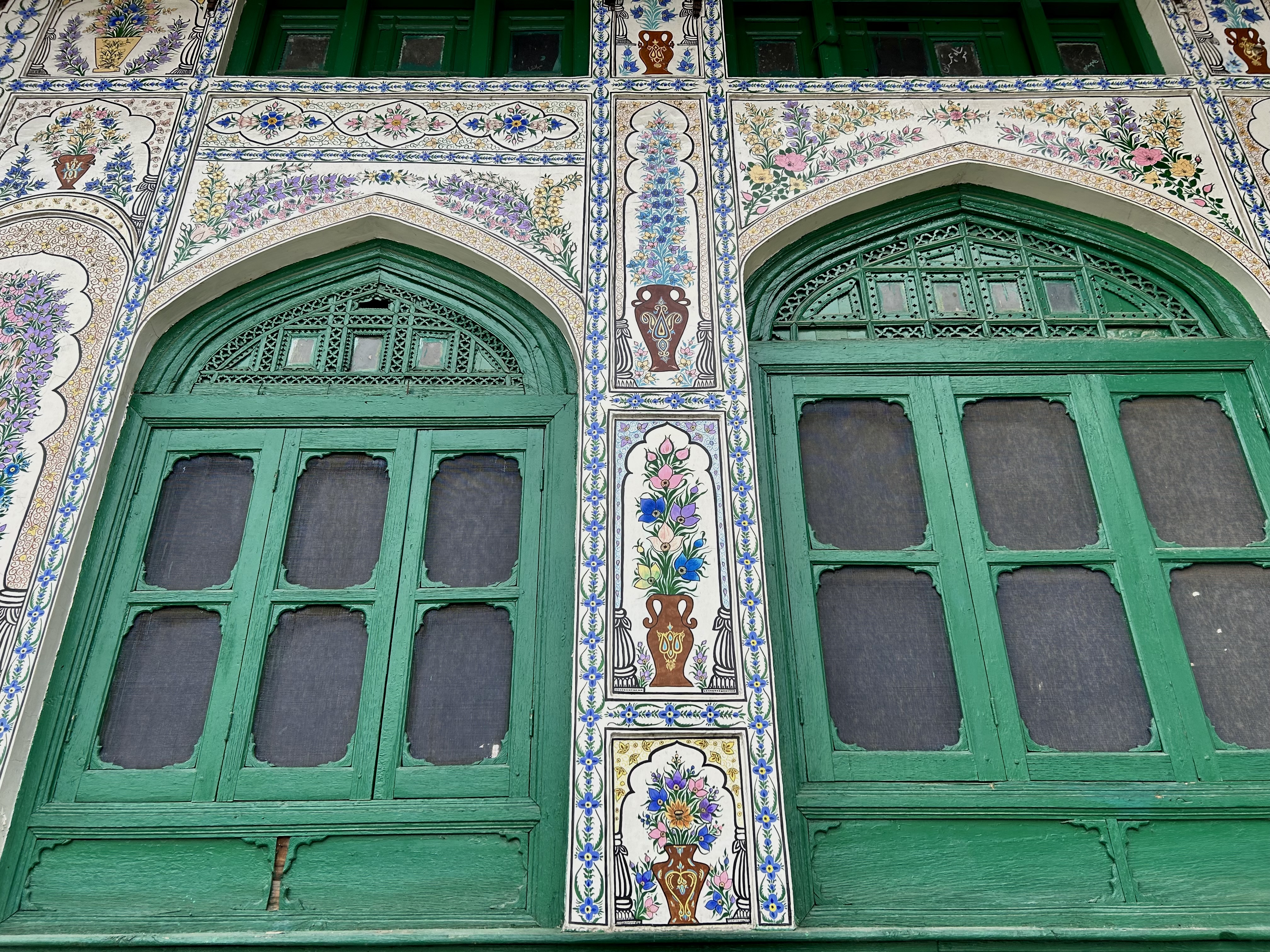
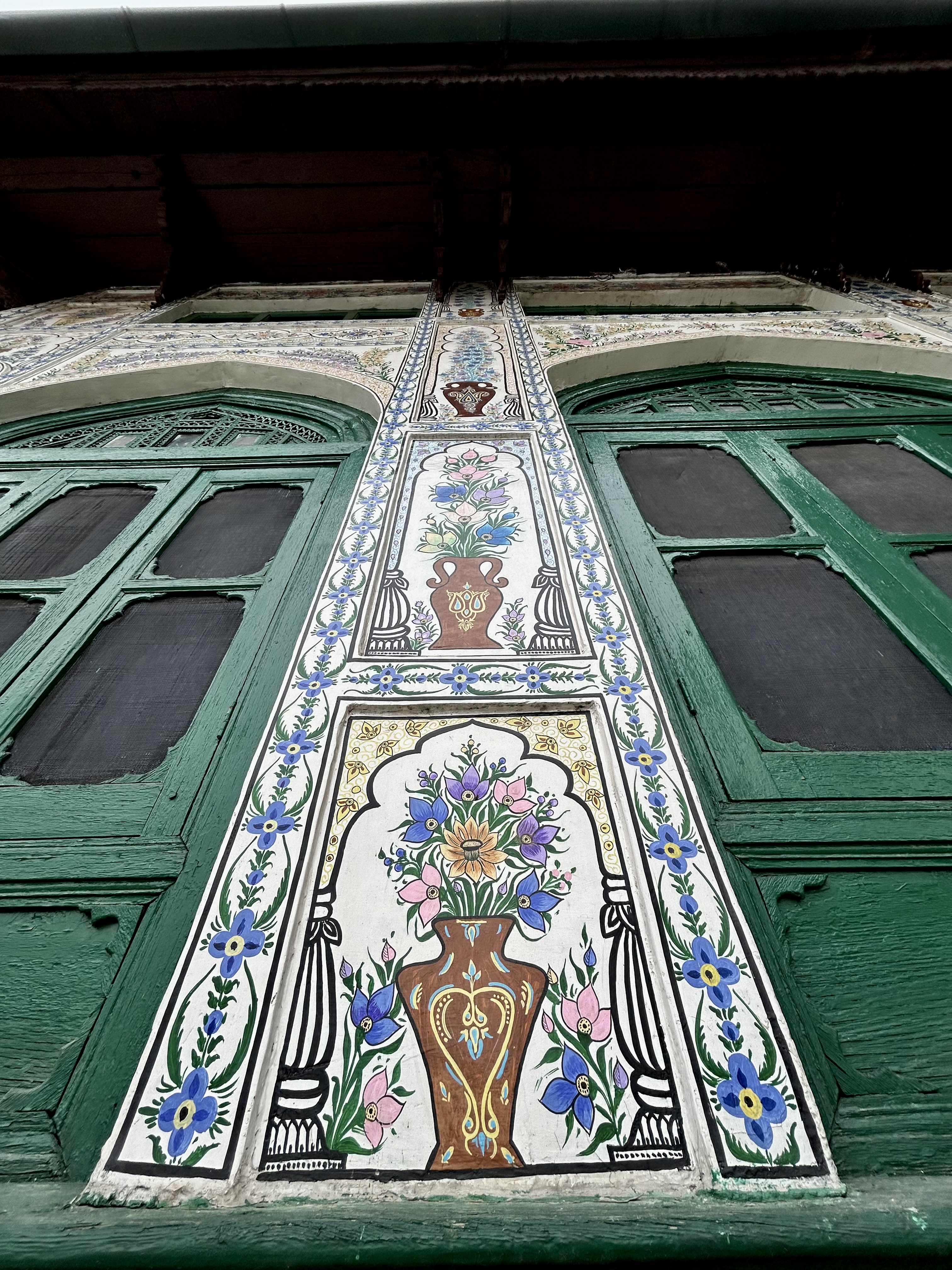
Ornate wood carvings, vibrant motifs, and delicate papier-mâchè detailing lend the space a quiet, luminous grace.
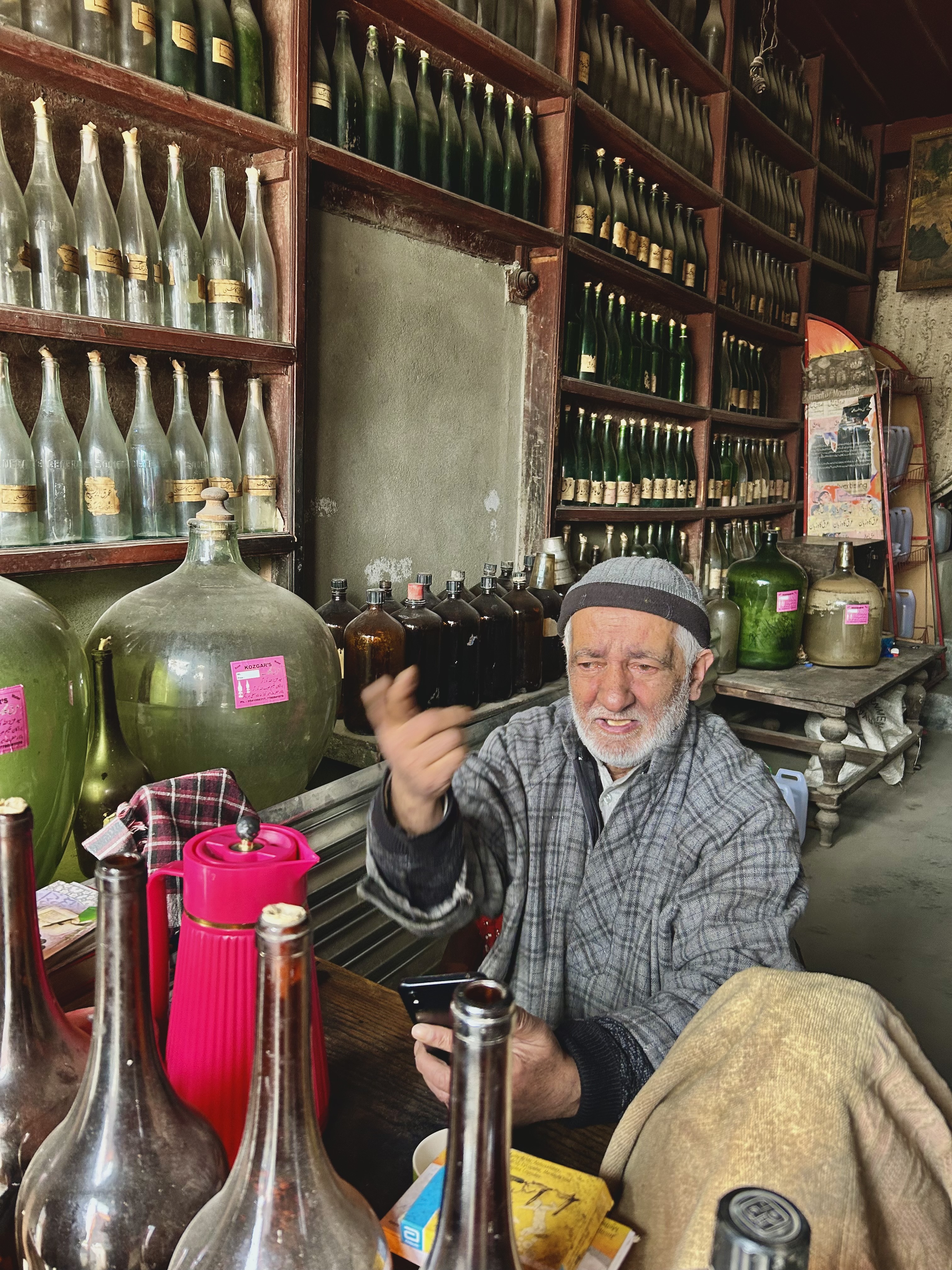
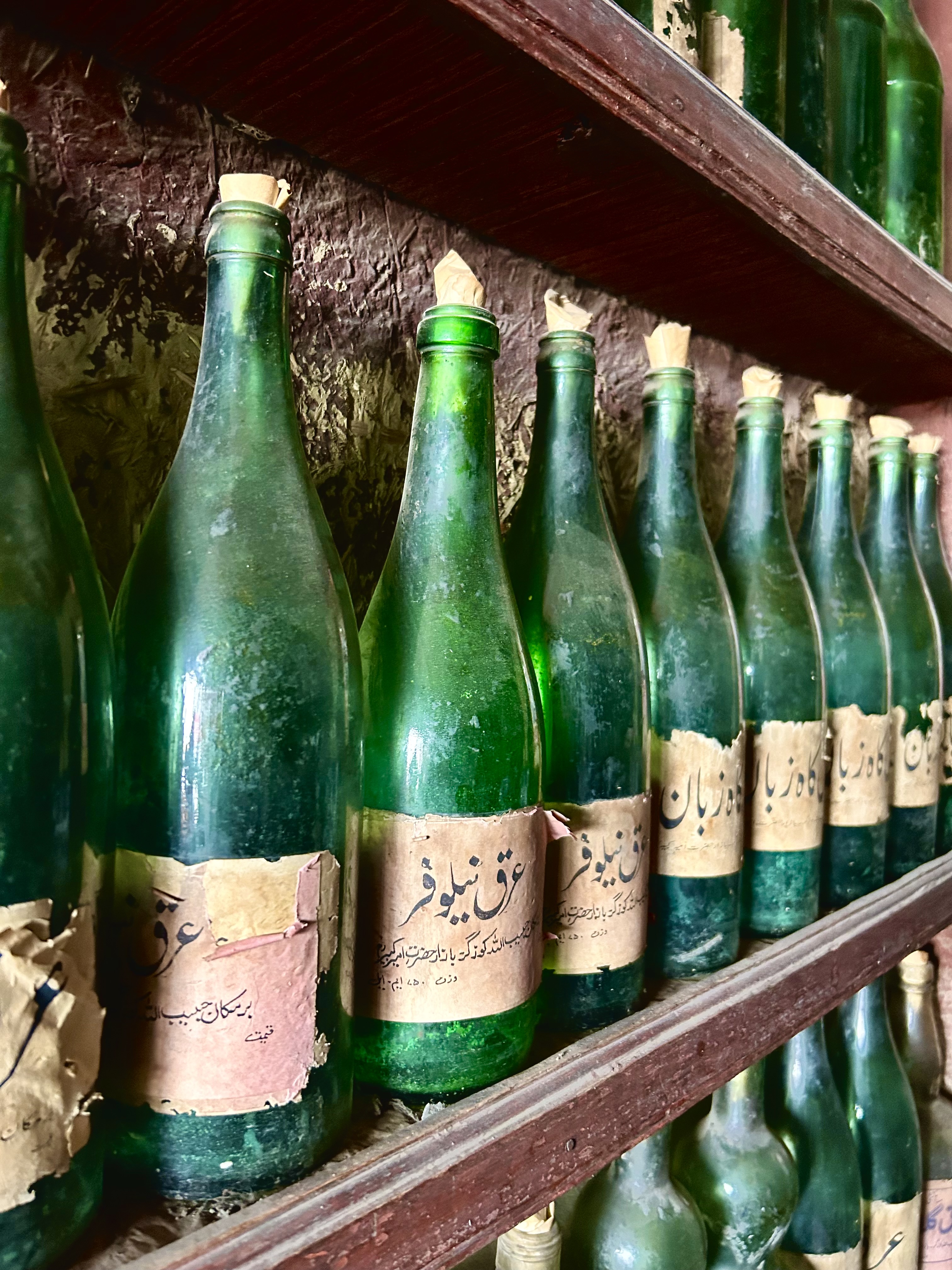
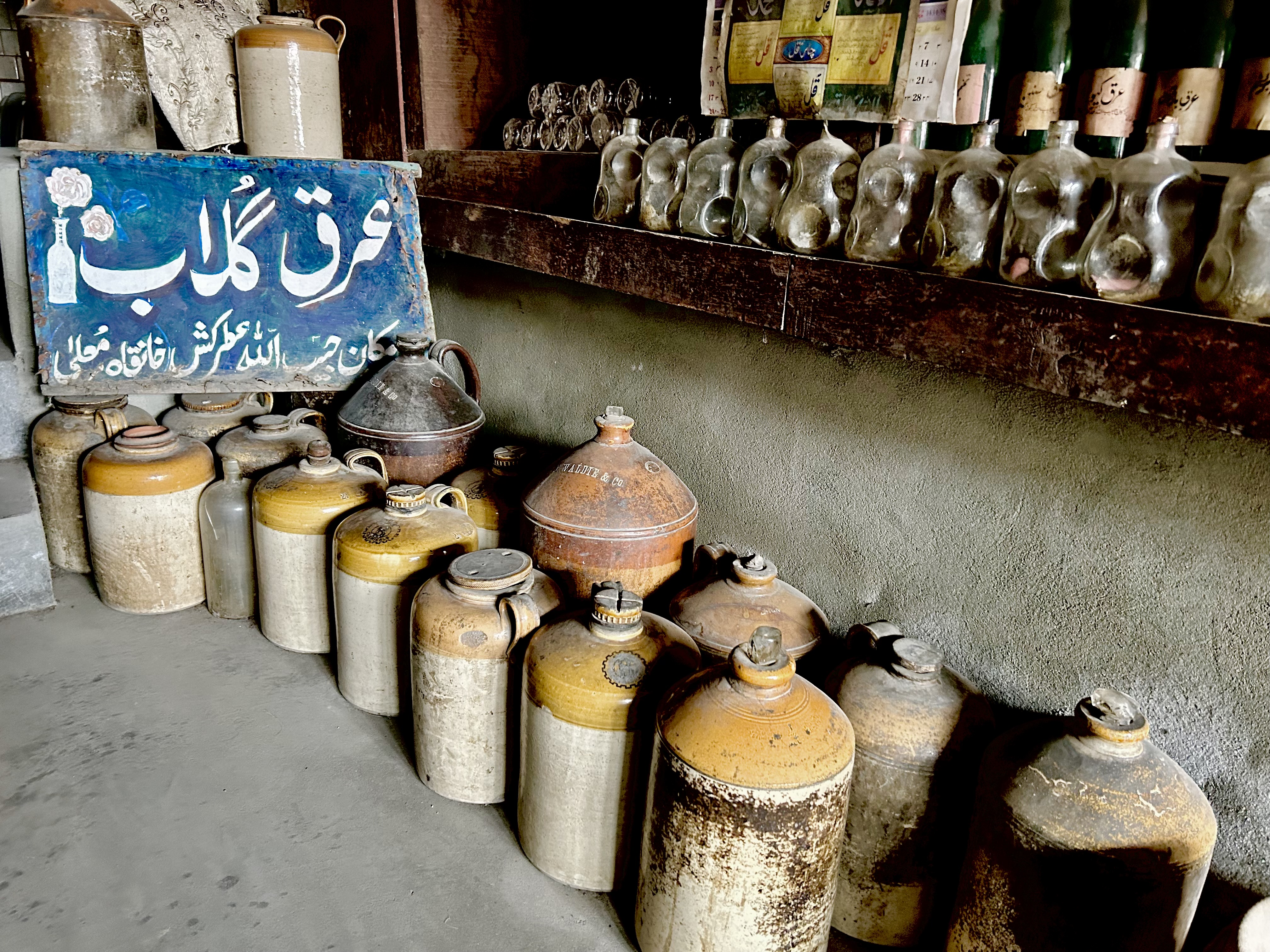
As the last keeper of a fading legacy, Abdul Aziz Kozgar tends to Arq-i-Gulab, the valley’s only remaining rose distillery.
In his modest apothecary, old glass bottles and ceramic jars line the shelves, each holding a remedy, a ritual and heirloom knowledge.
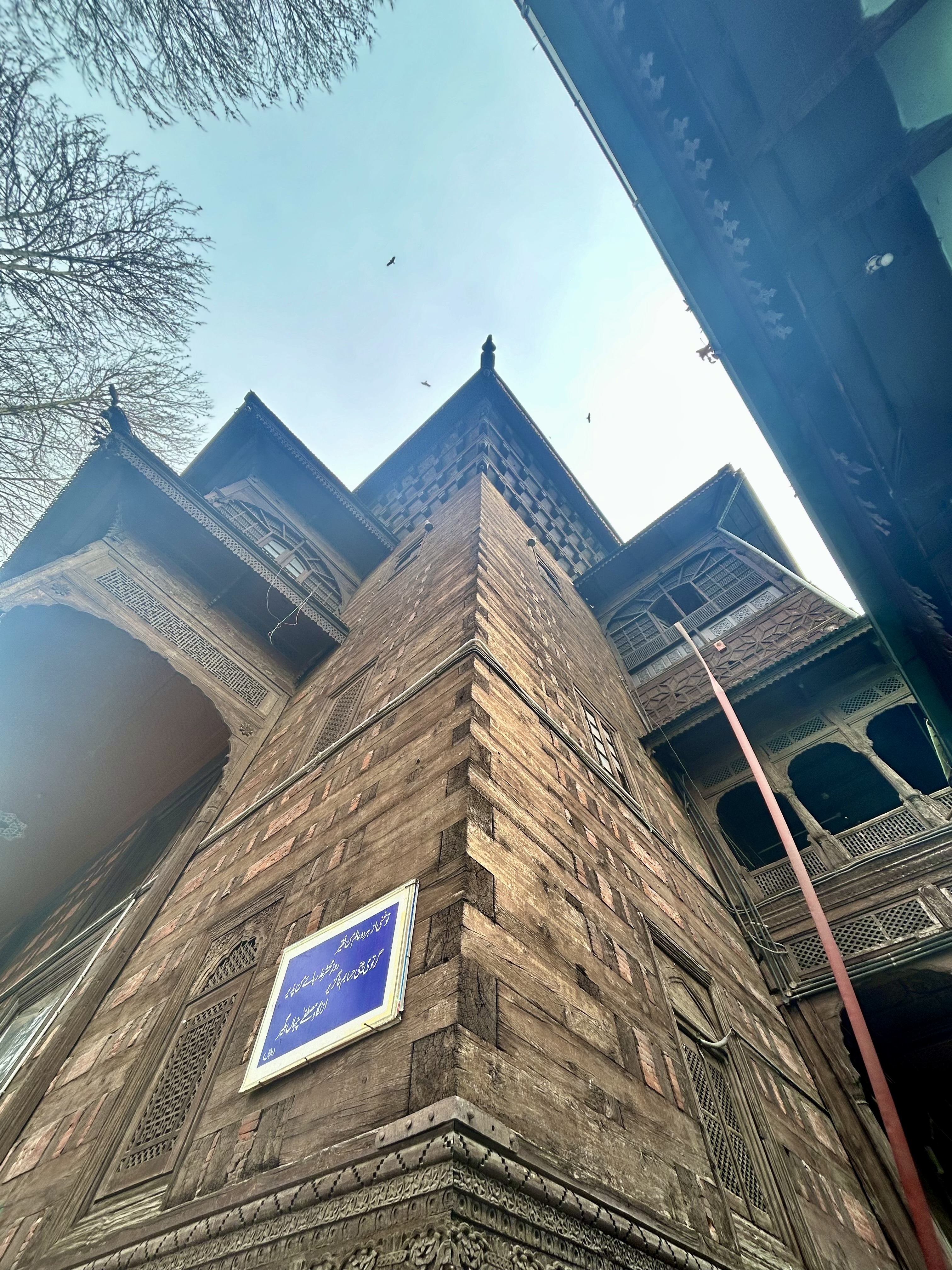
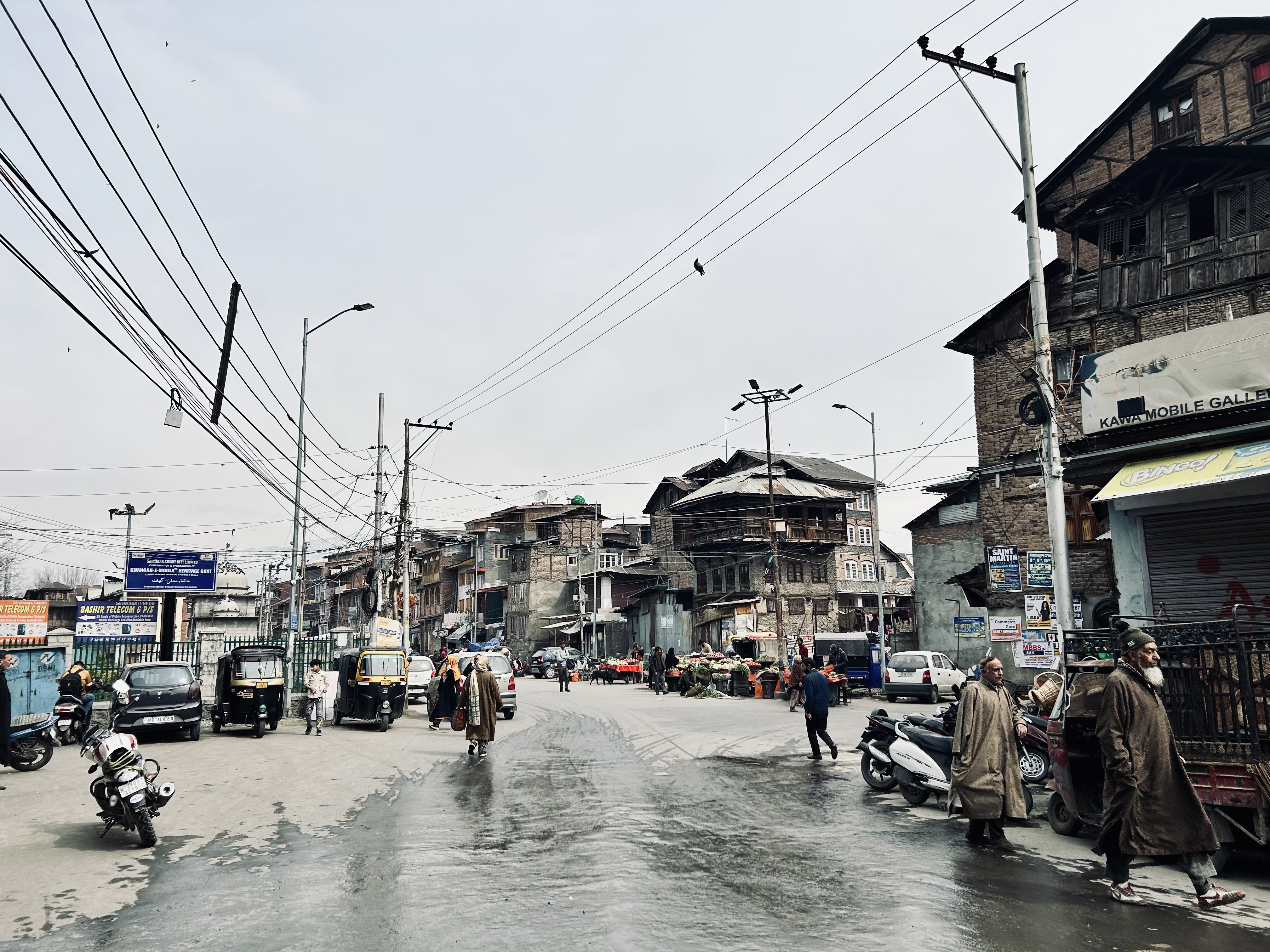
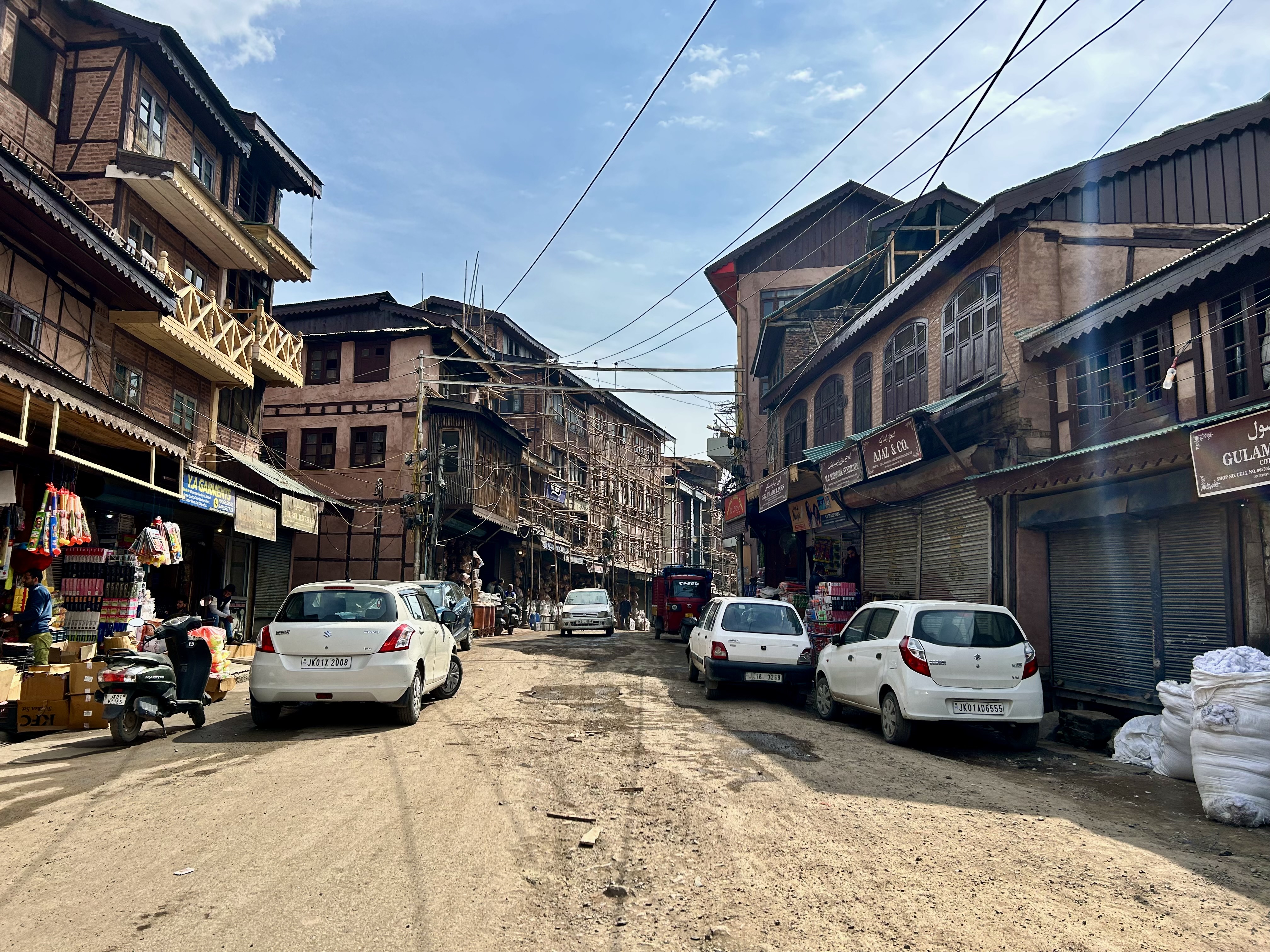
A walk through Zainakadal, one of the historic quarters in downtown Srinagar, also known as Shehr-e-Khaas.
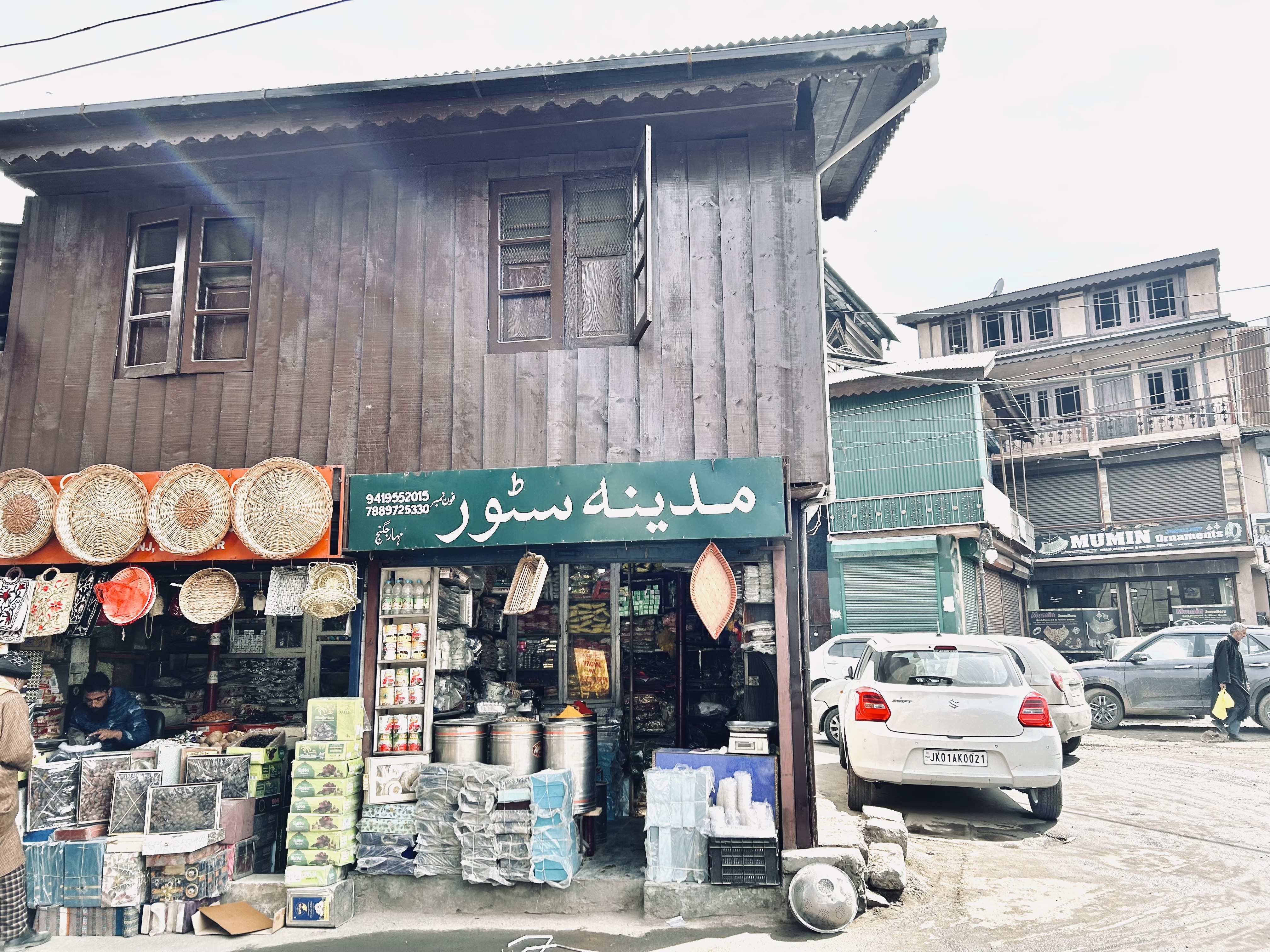
An Urdu signage displayed on an old wooden building
Through the lanes of Old city of Srinagar
Dal Lake’s beloved Kahwa seller, Mushtaq Hussain Akhnoon, popularly known as Mushtaq Kehwa, treats you to his special tea made with 16 different herbs and spices.
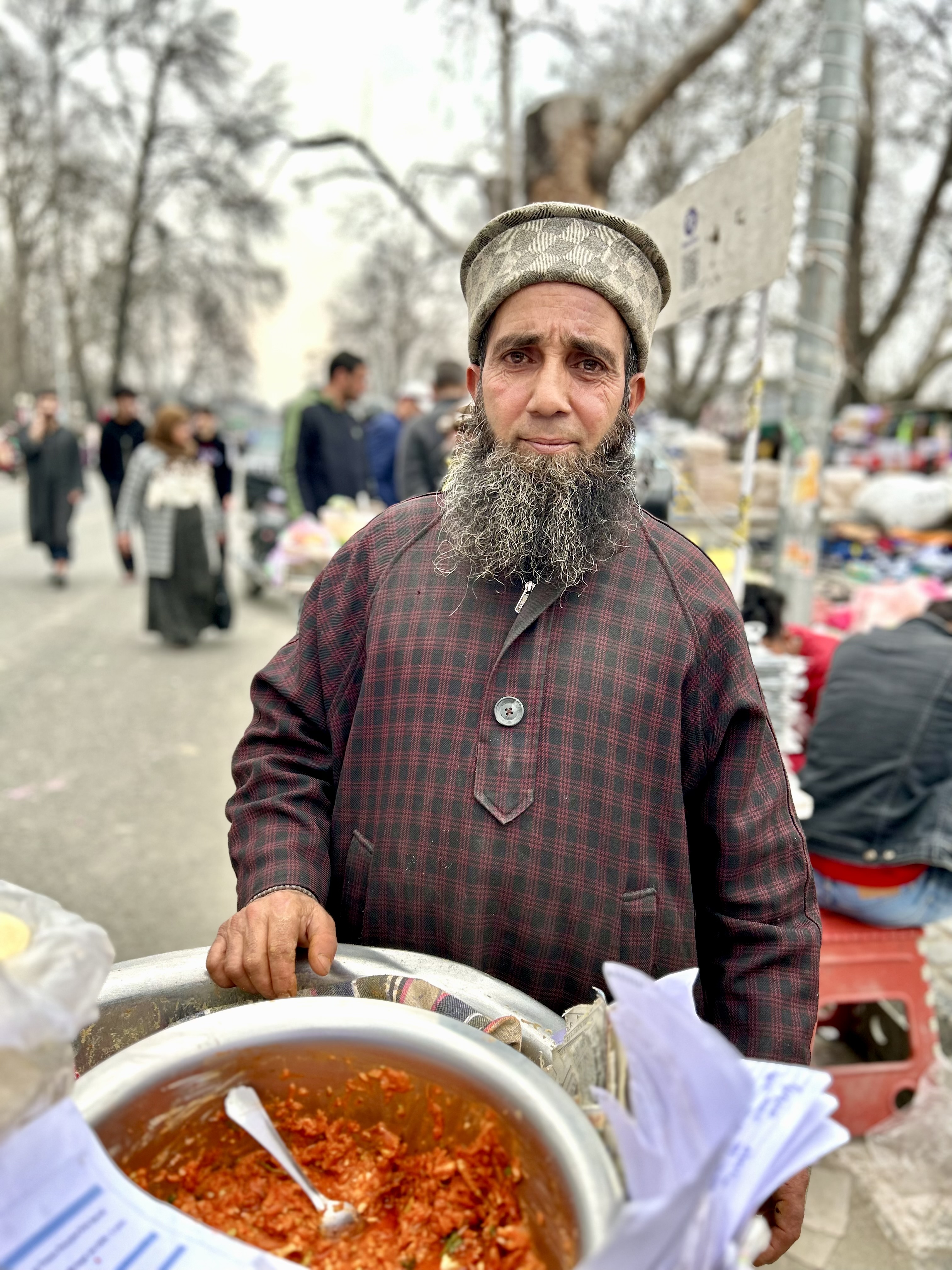
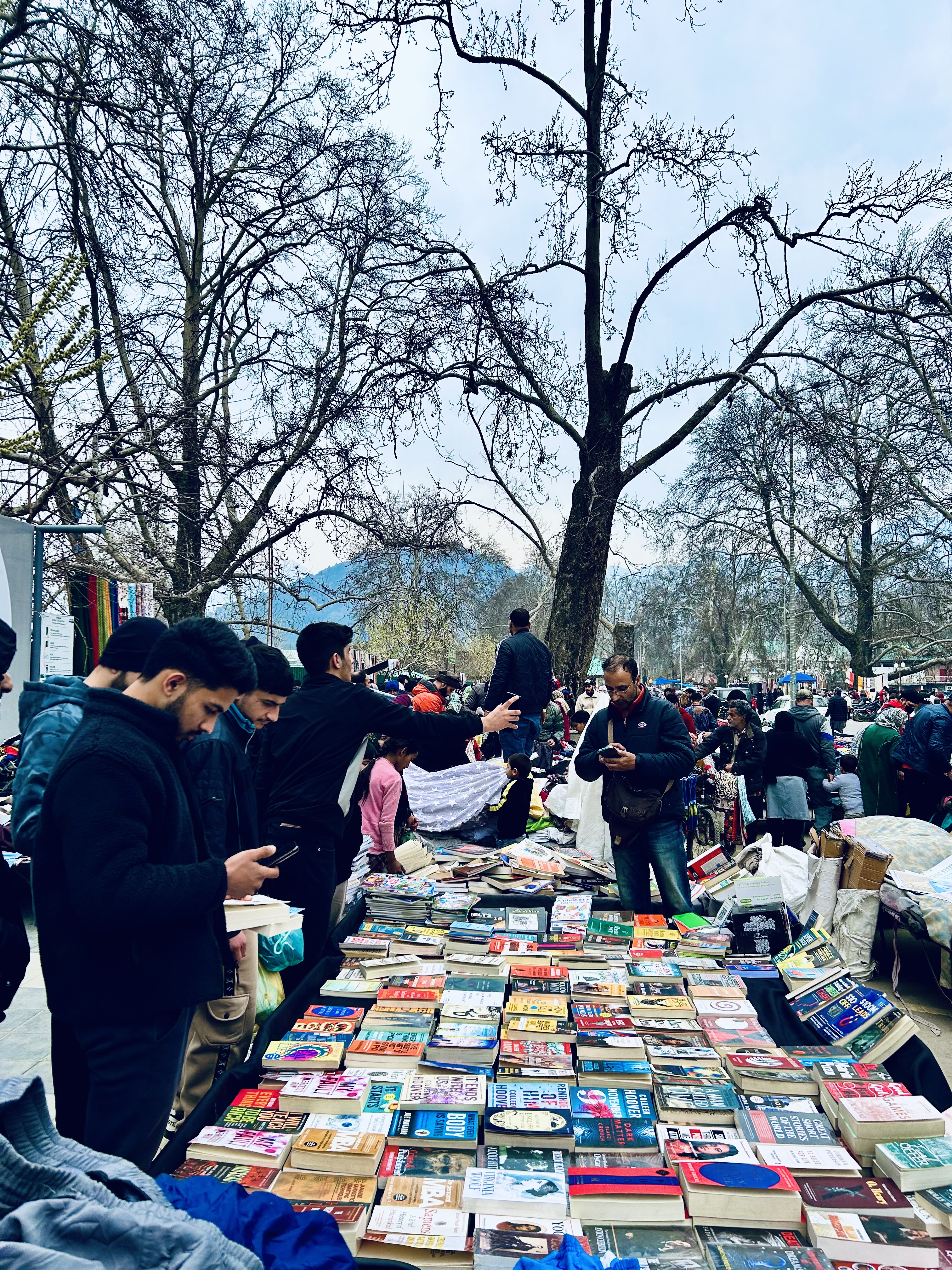
At Srinagar’s bustling Sunday market, a street vendor prepares Masal Tchot—a local snack of flavorful, spices chickpeas wrapped in soft, warm lavasa or flatbread.
The youth perusing the latest bestsellers.
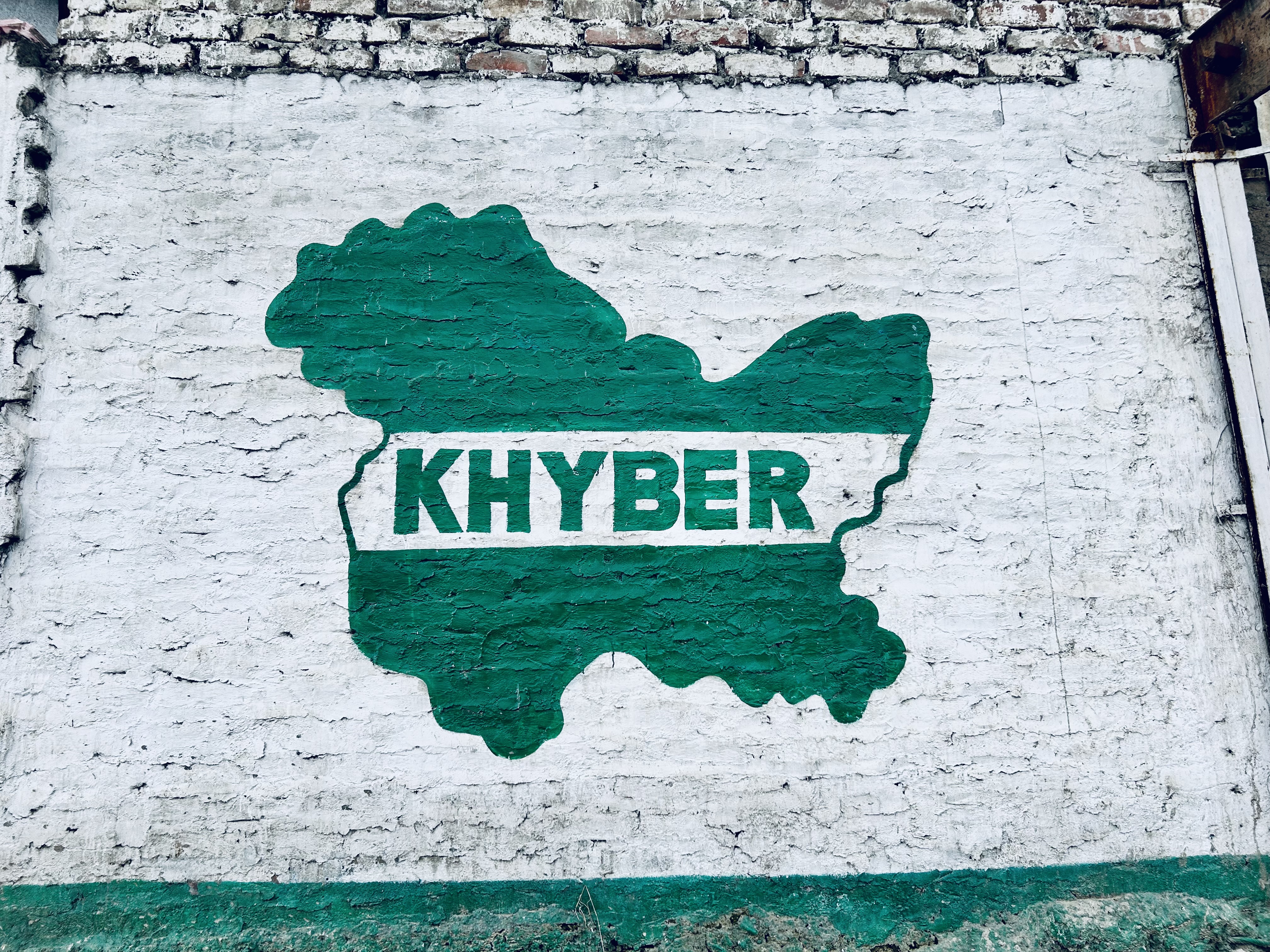
On a brick wall, a mural of Kashmir’s map stands out with the word Khyber, depicting a sense of identity, pride and belonging.
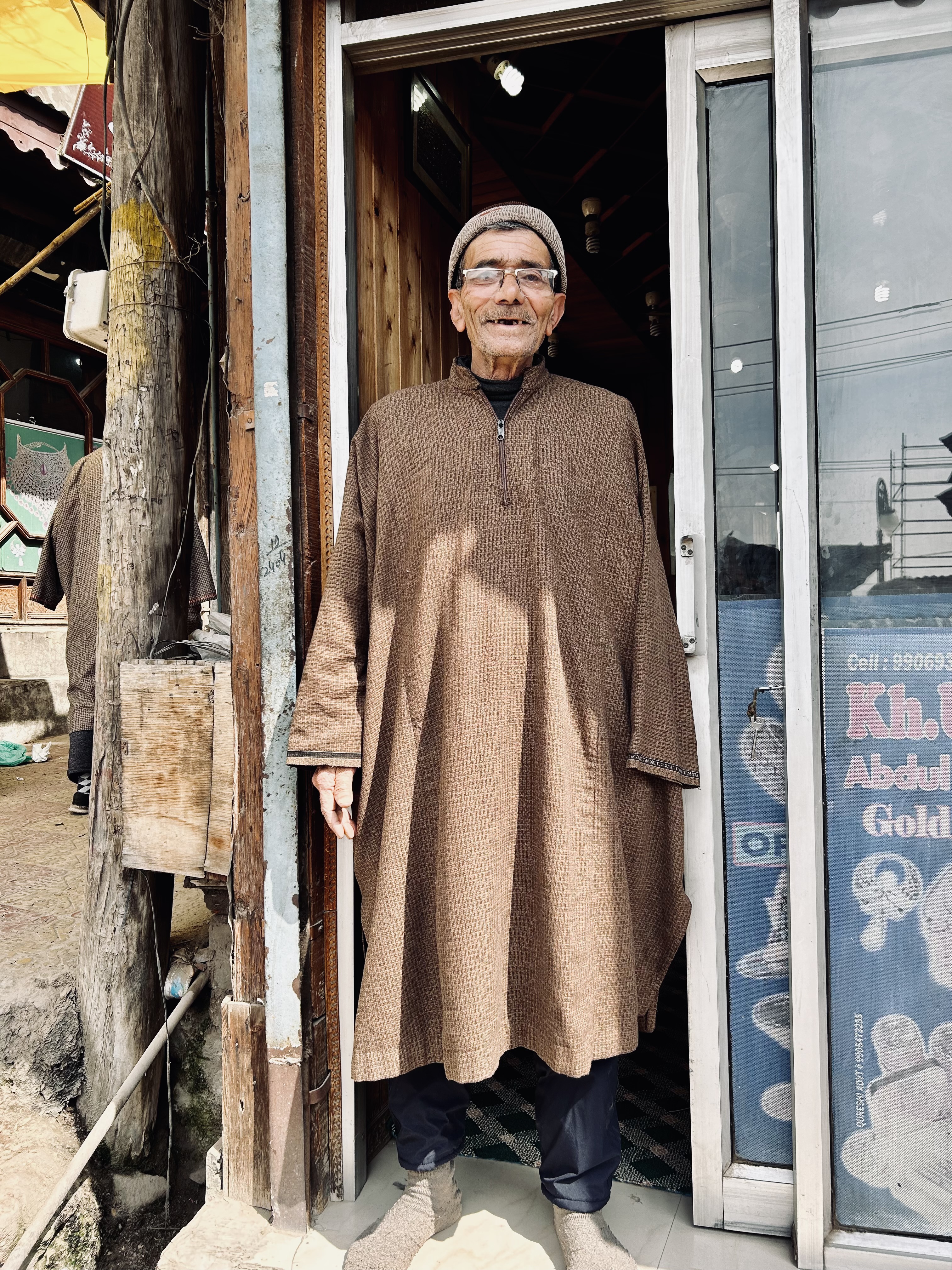
A local goldsmith who happily posed for my camera when I asked.
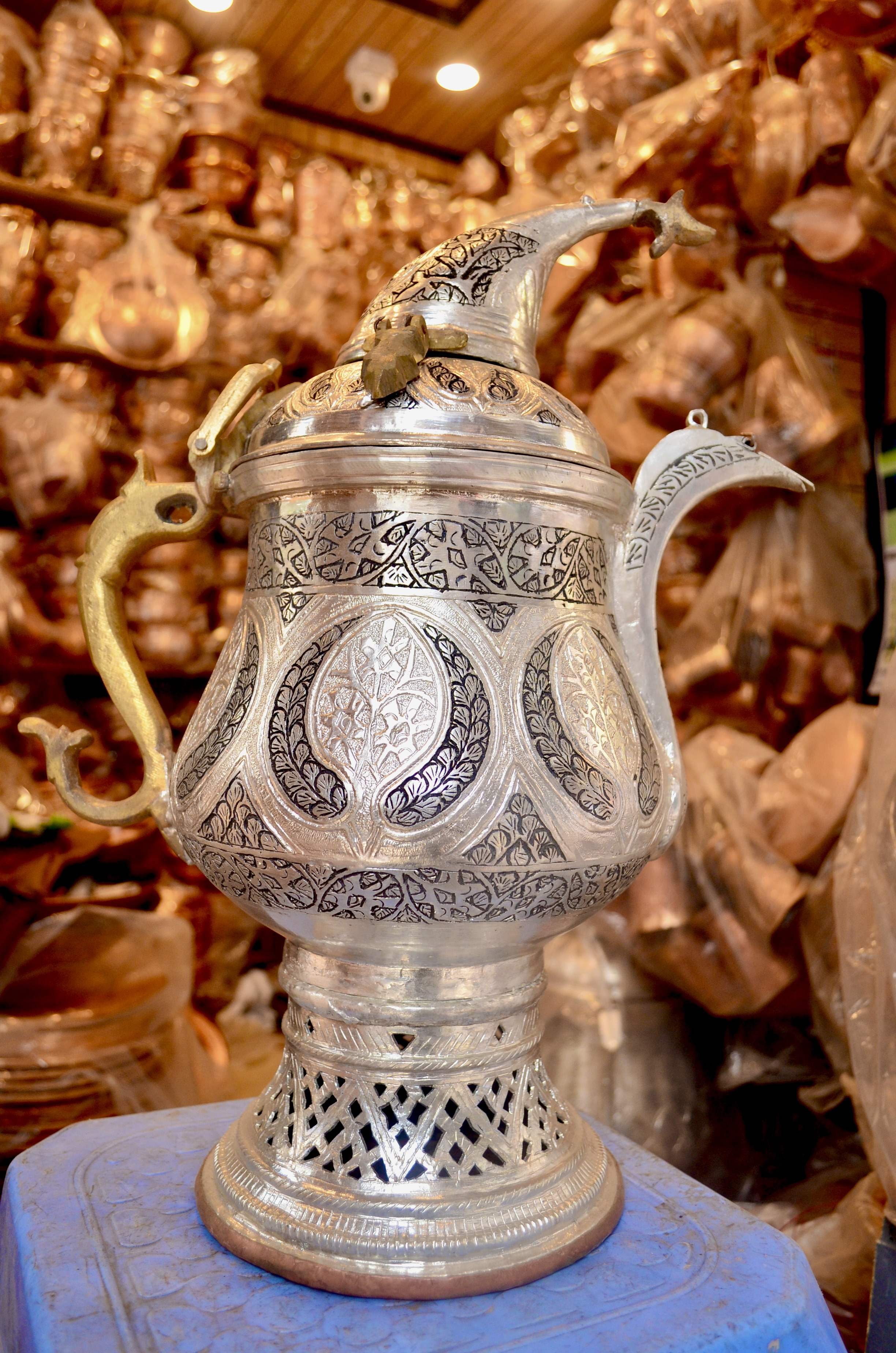
Traditionally crafted in copper, the Kashmiri Samovar—used to brew and serve tea—is a symbol of warmth, ritual, and everyday life in the valley.
Discover more from
Subscribe to get the latest posts sent to your email.

 amritaduorah.com