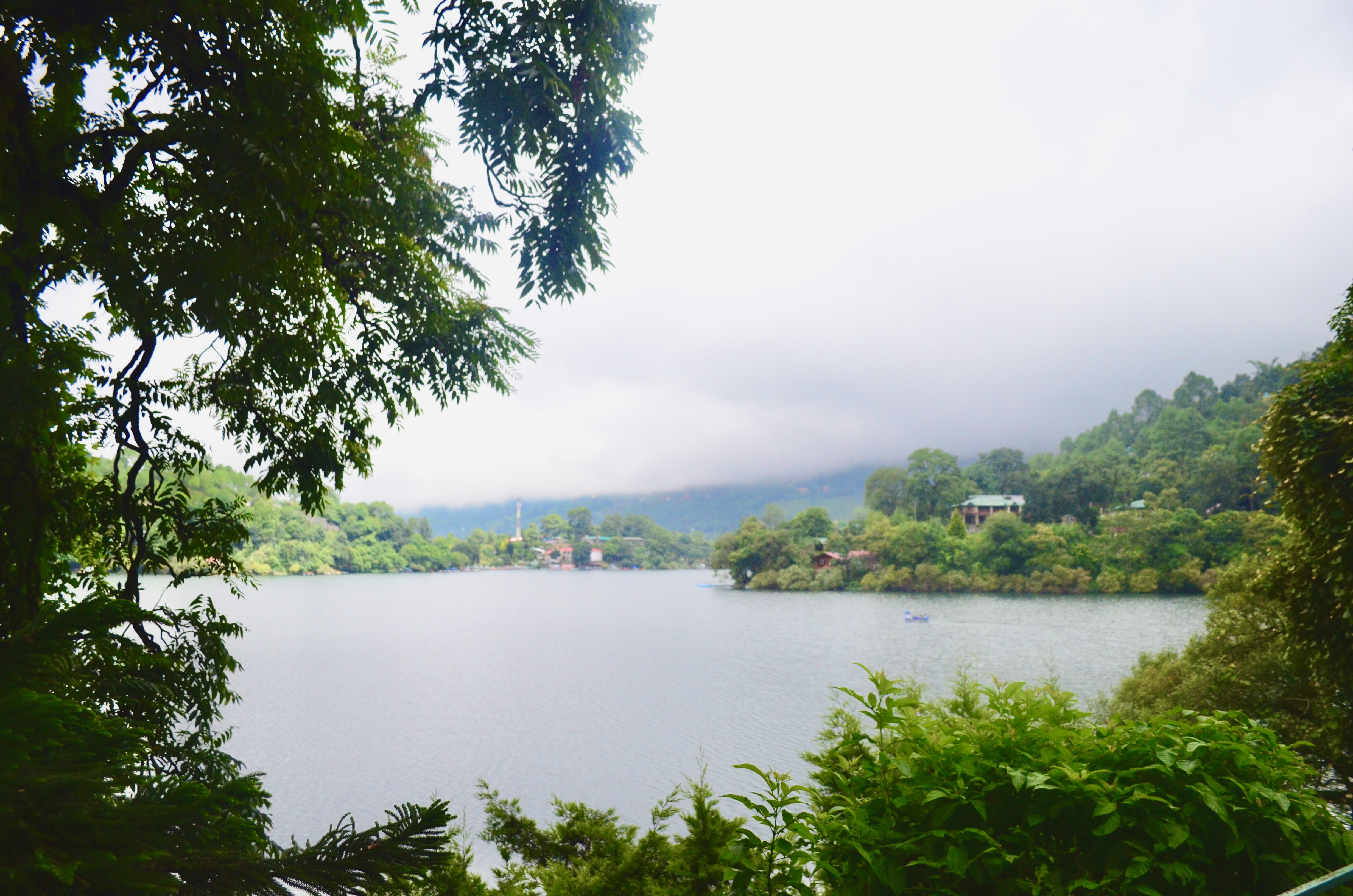
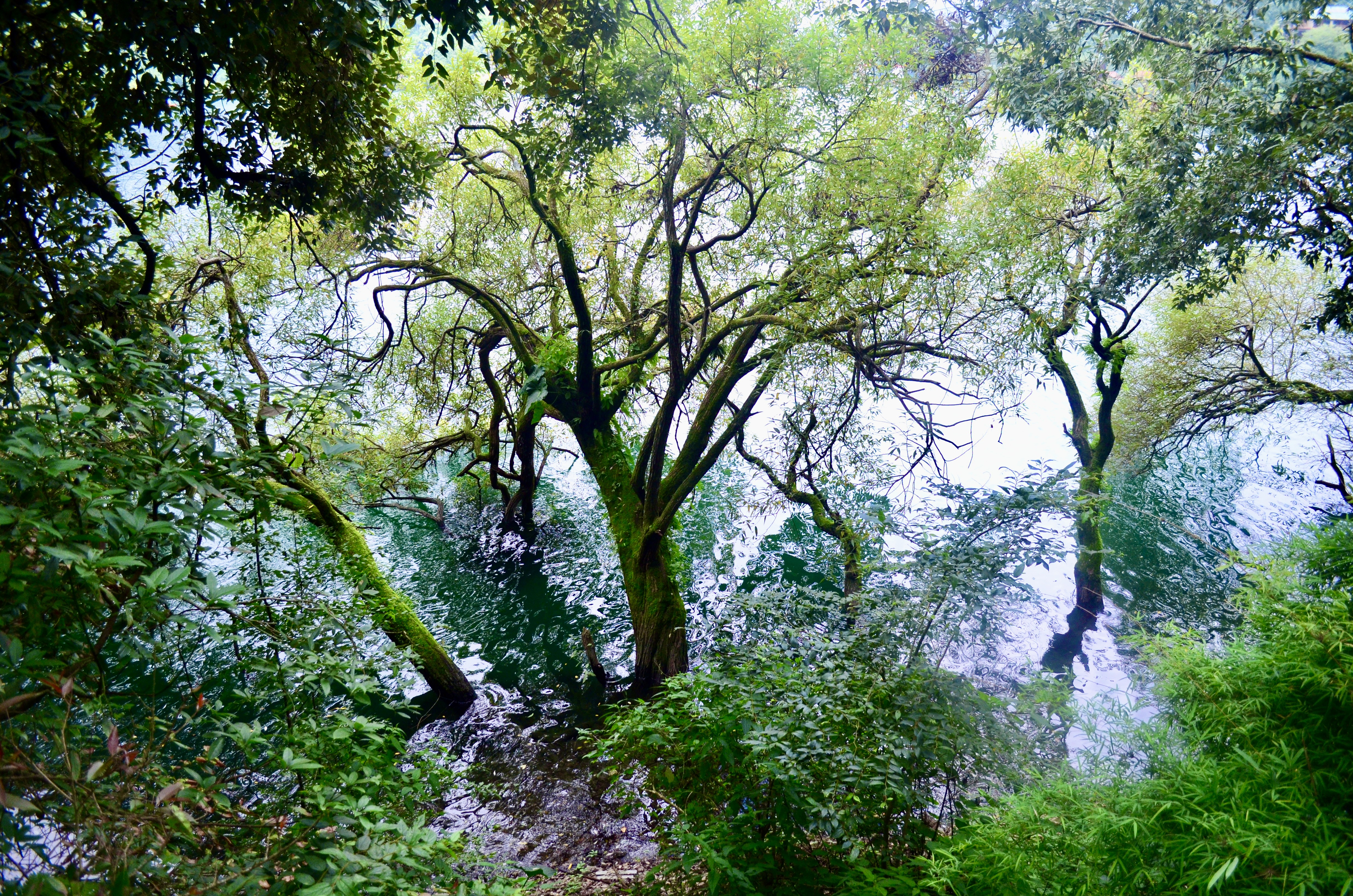
Tucked away amidst rhododendrons and oak trees lies the pristine lake town of Naukuchiatal.
Surrounded by verdant hills and lush foliage that drapes the landscape, this tiny Himalayan hill station—nestled in the Kumaon region of Uttarakhand—holds a quiet allure. It is a kind of place that beckons you to slow down, breathe easy, and reconnect with nature.
Naukuchiatal may not be a large town, but it is an idyllic haven set in the foothills of Himalayas. Despite its proximity to the popular hill stations like Nainital and Bhimtal, it remains surprisingly secluded.
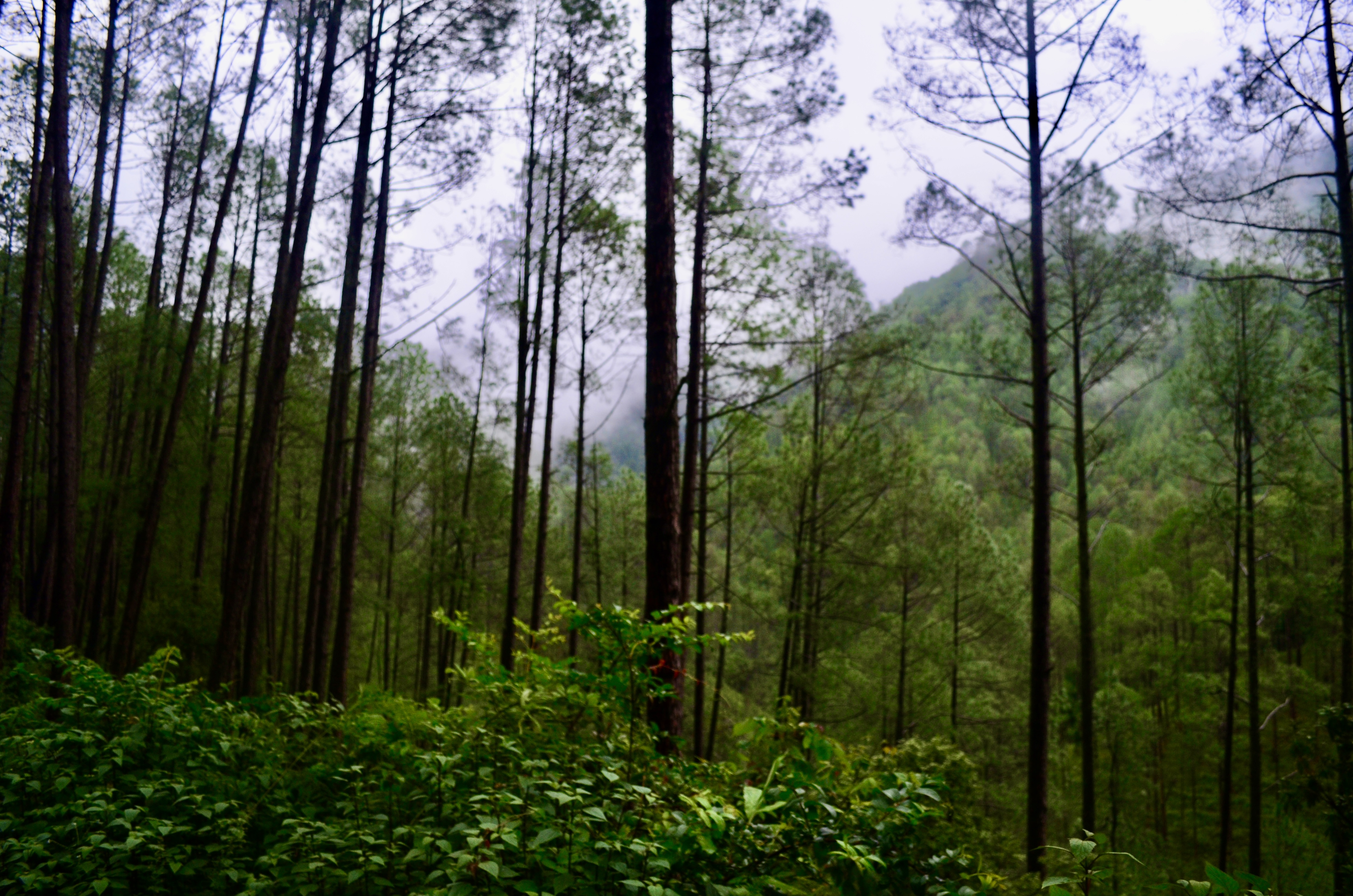
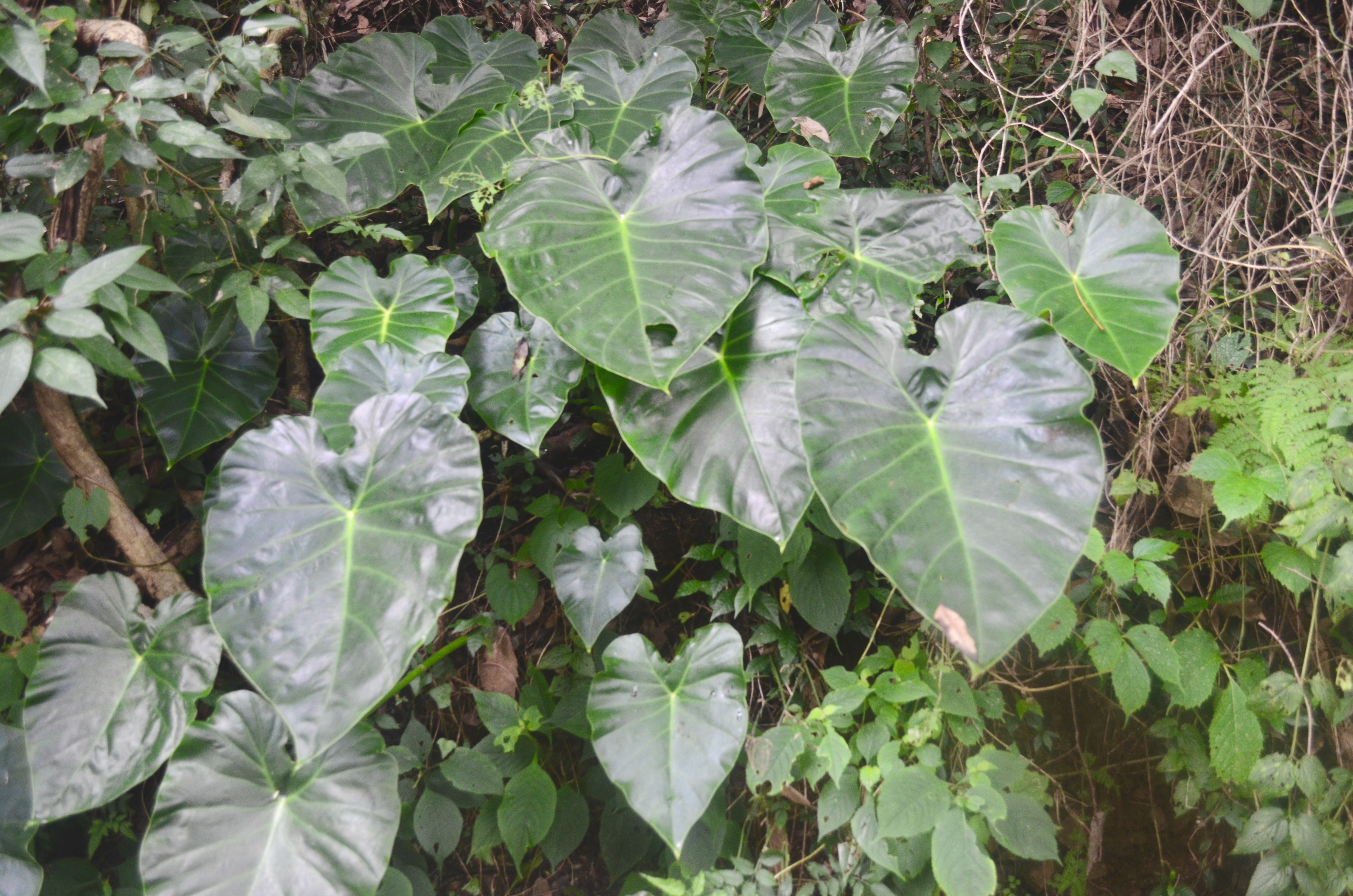
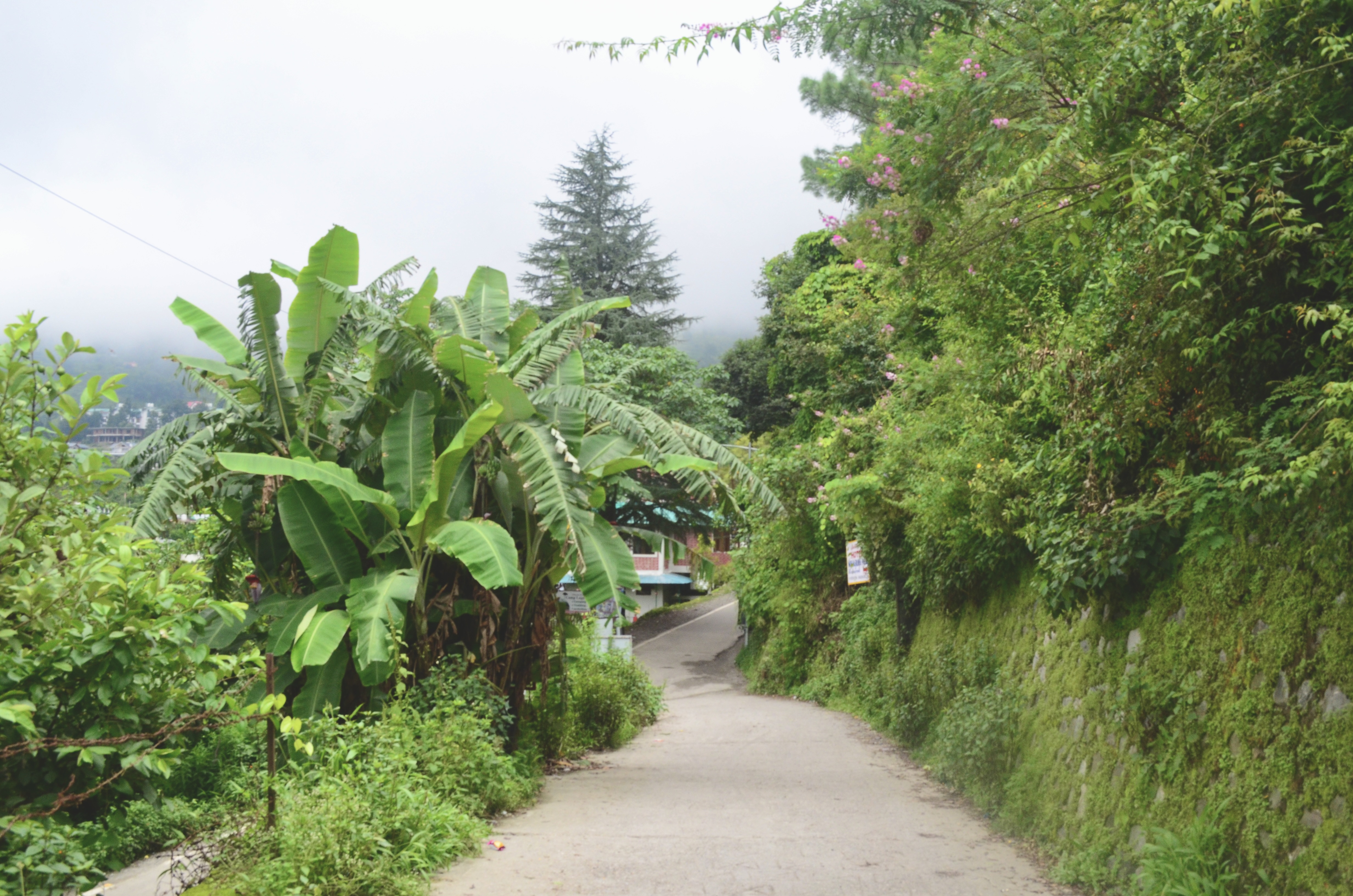
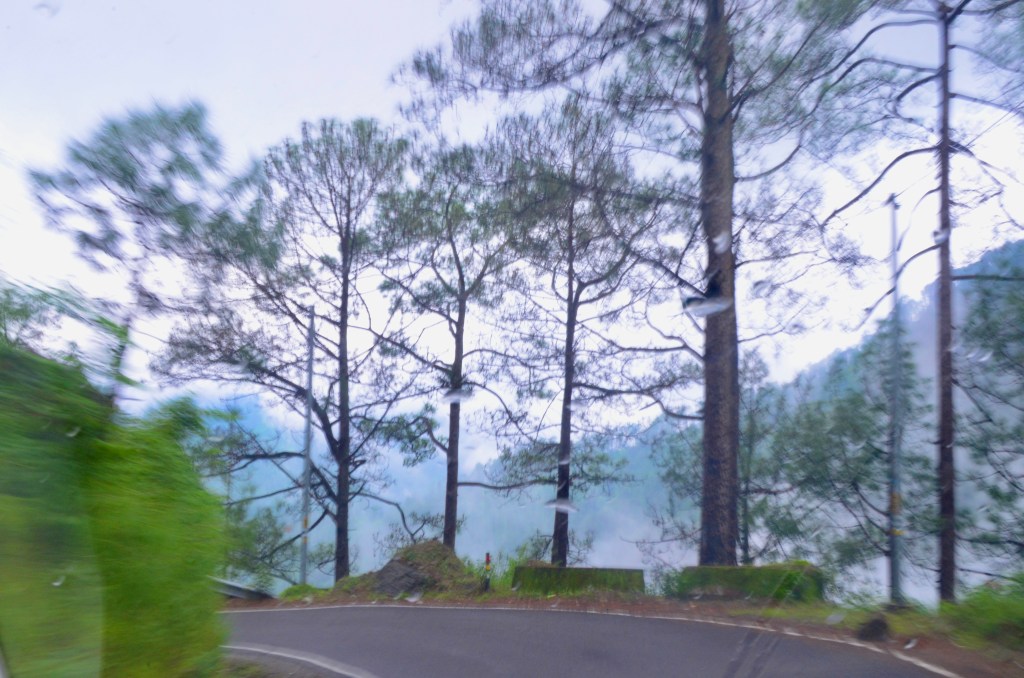
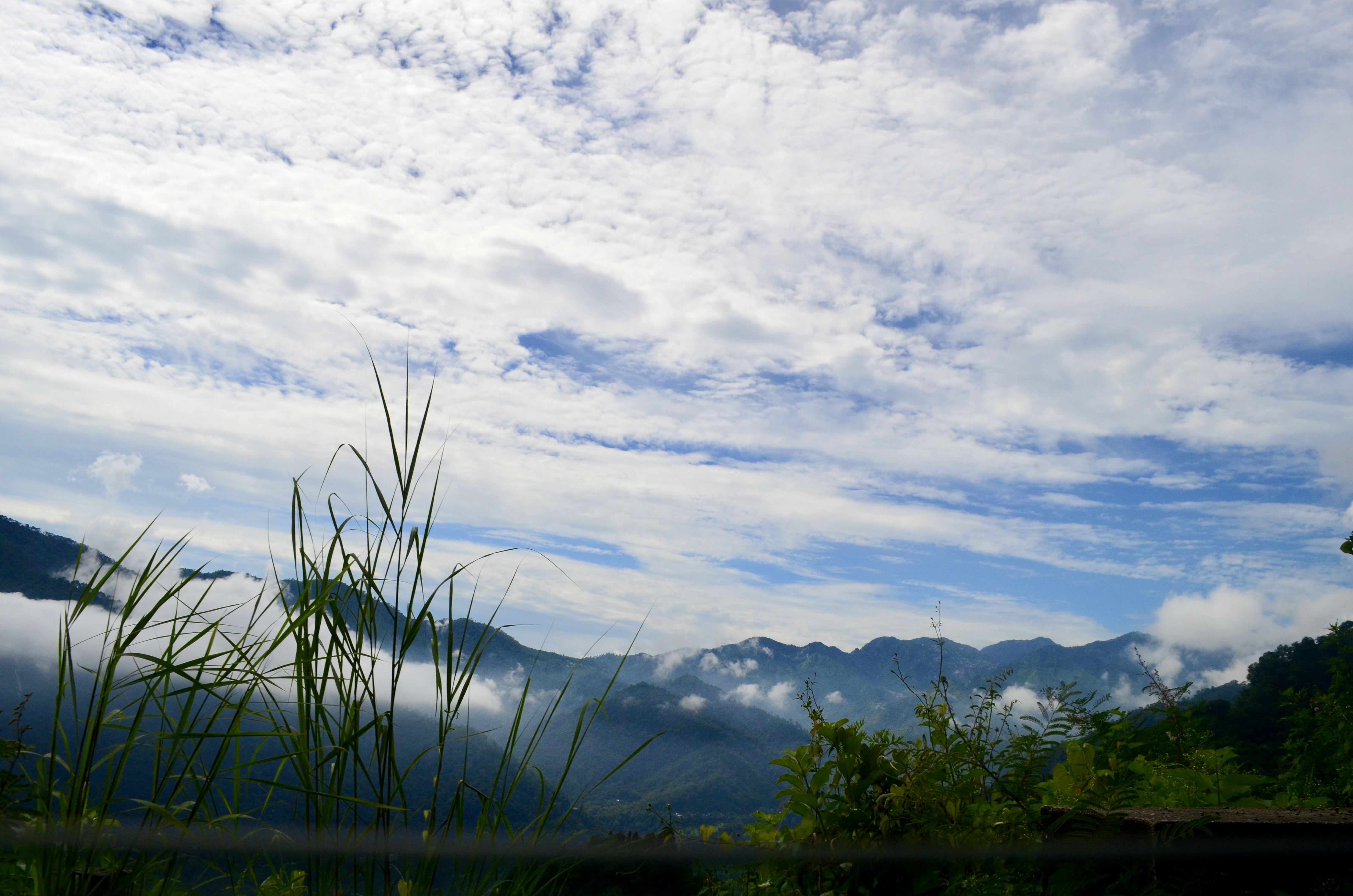
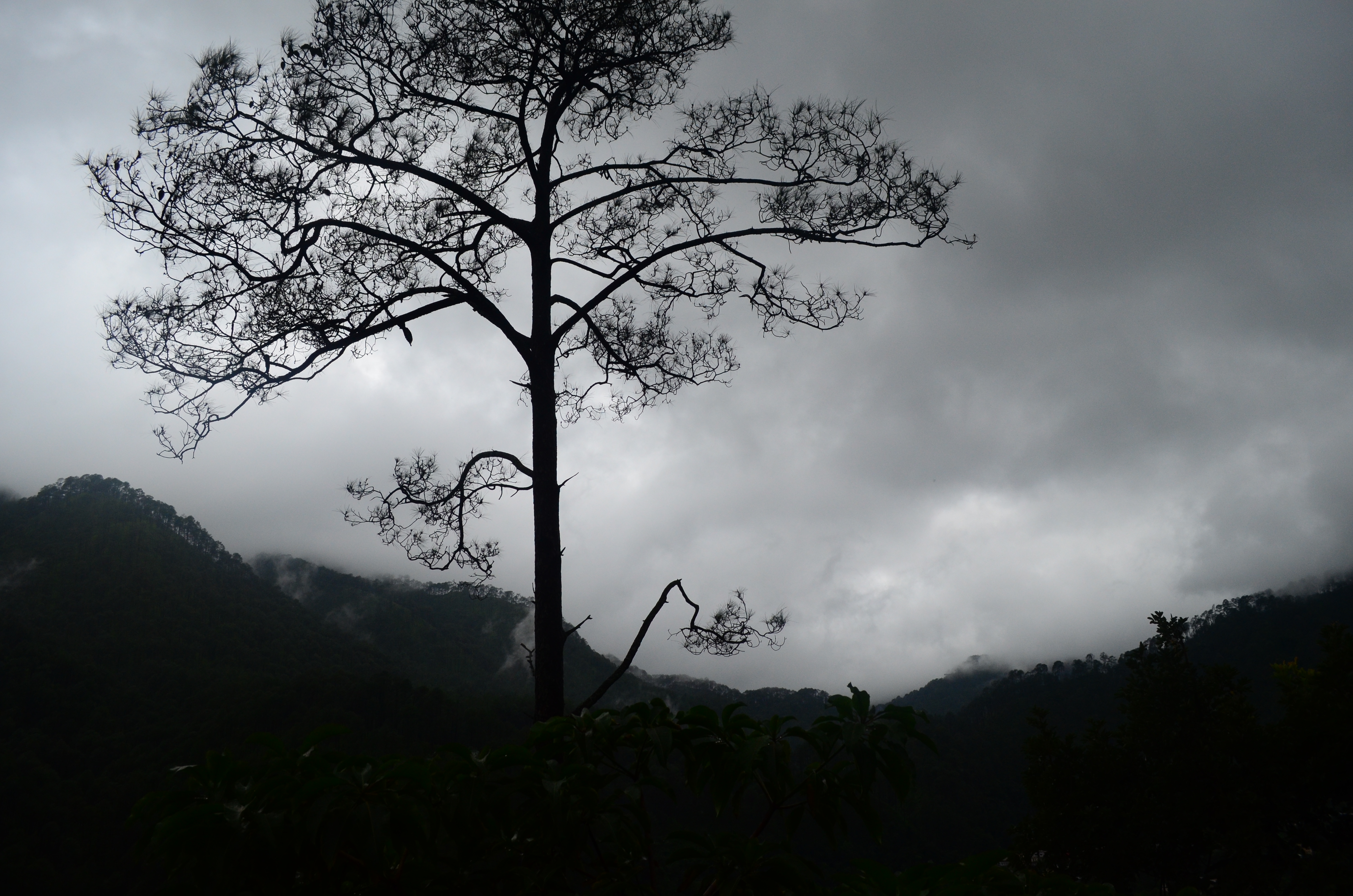
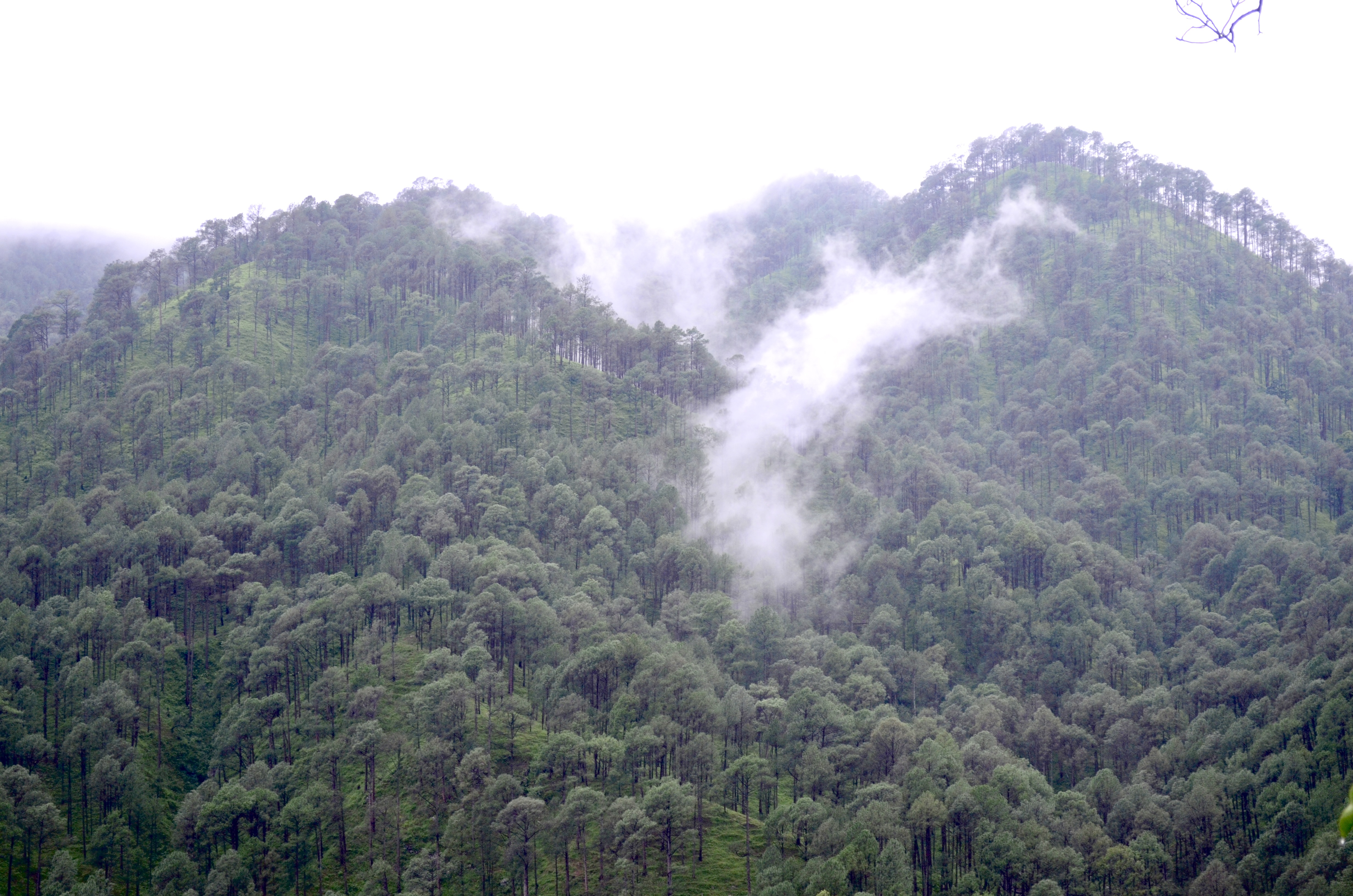
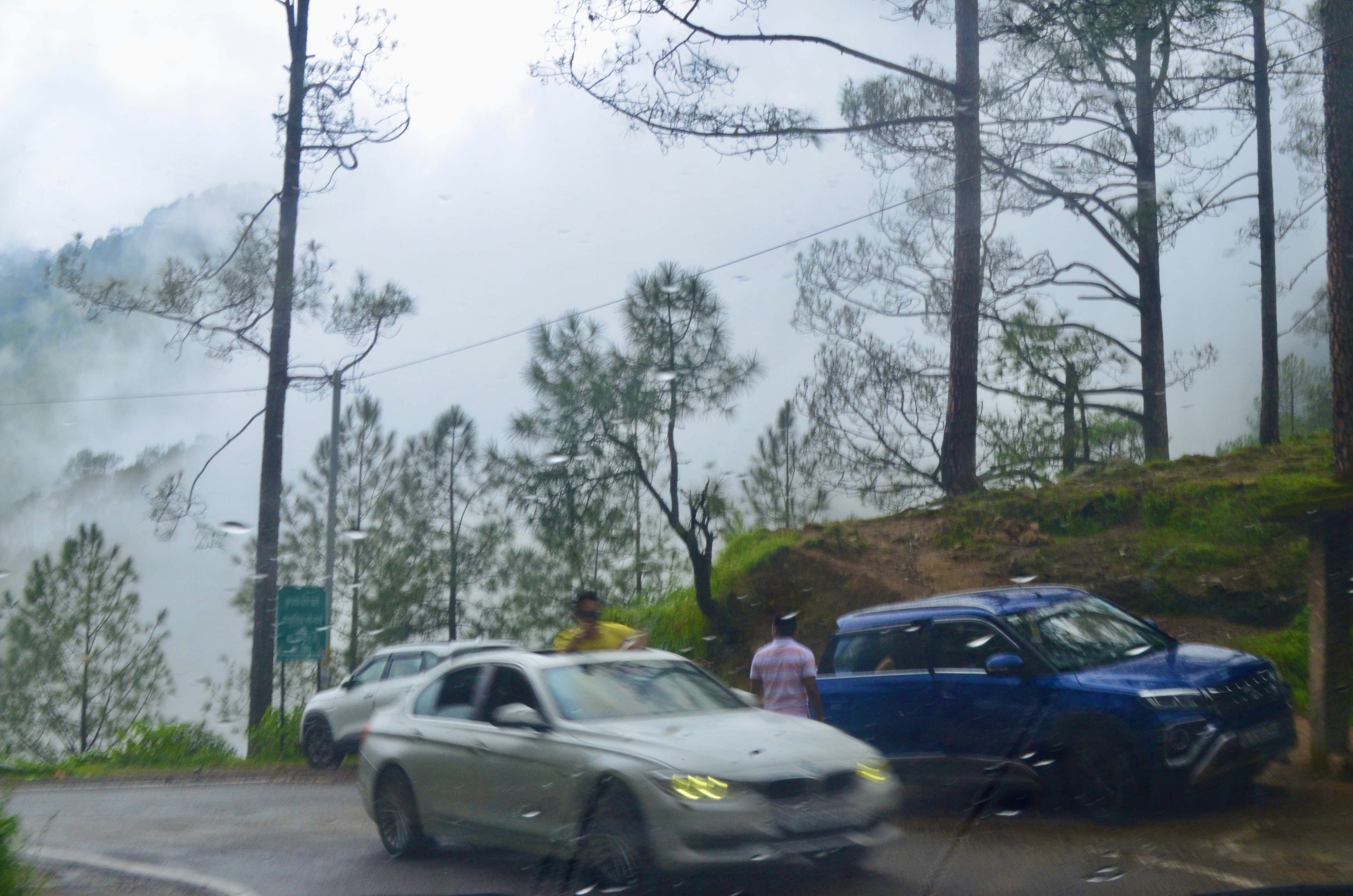
The road to this mountain hideaway is a scenic one, especially before a rain, when the landscape dramatically shifts. Wisps of clouds cascade down the hills, gently rolling along the slopes to kiss the earth. The towering pines seem even taller, and the dense forests turn vivid in their hues.
Like a beautiful oil painting on a canvas, all the elements come together to create a breathtaking composition.
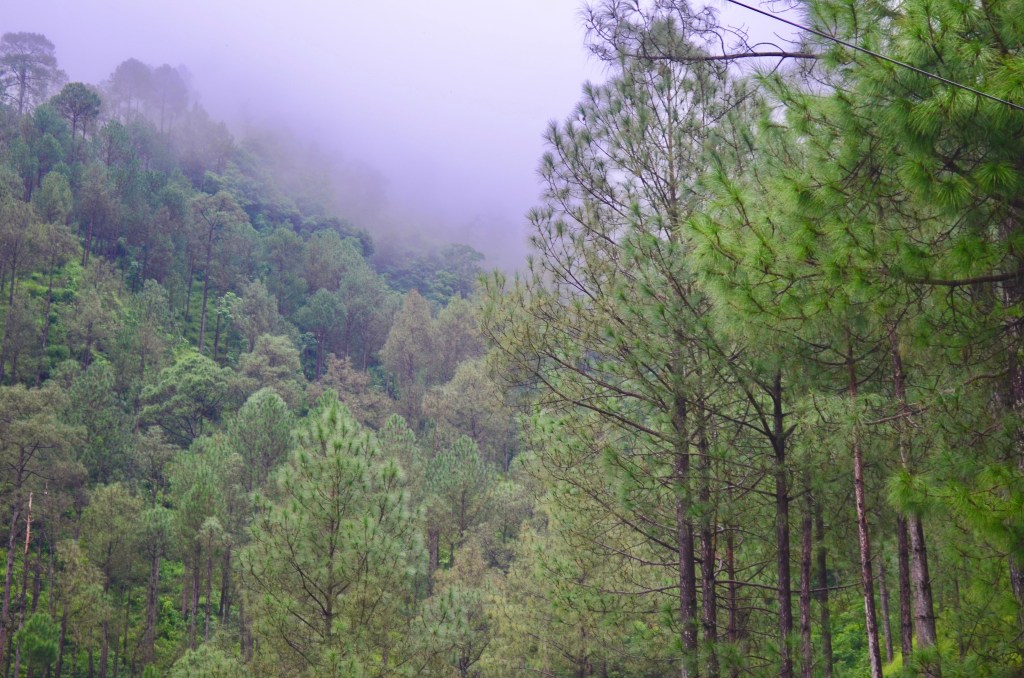
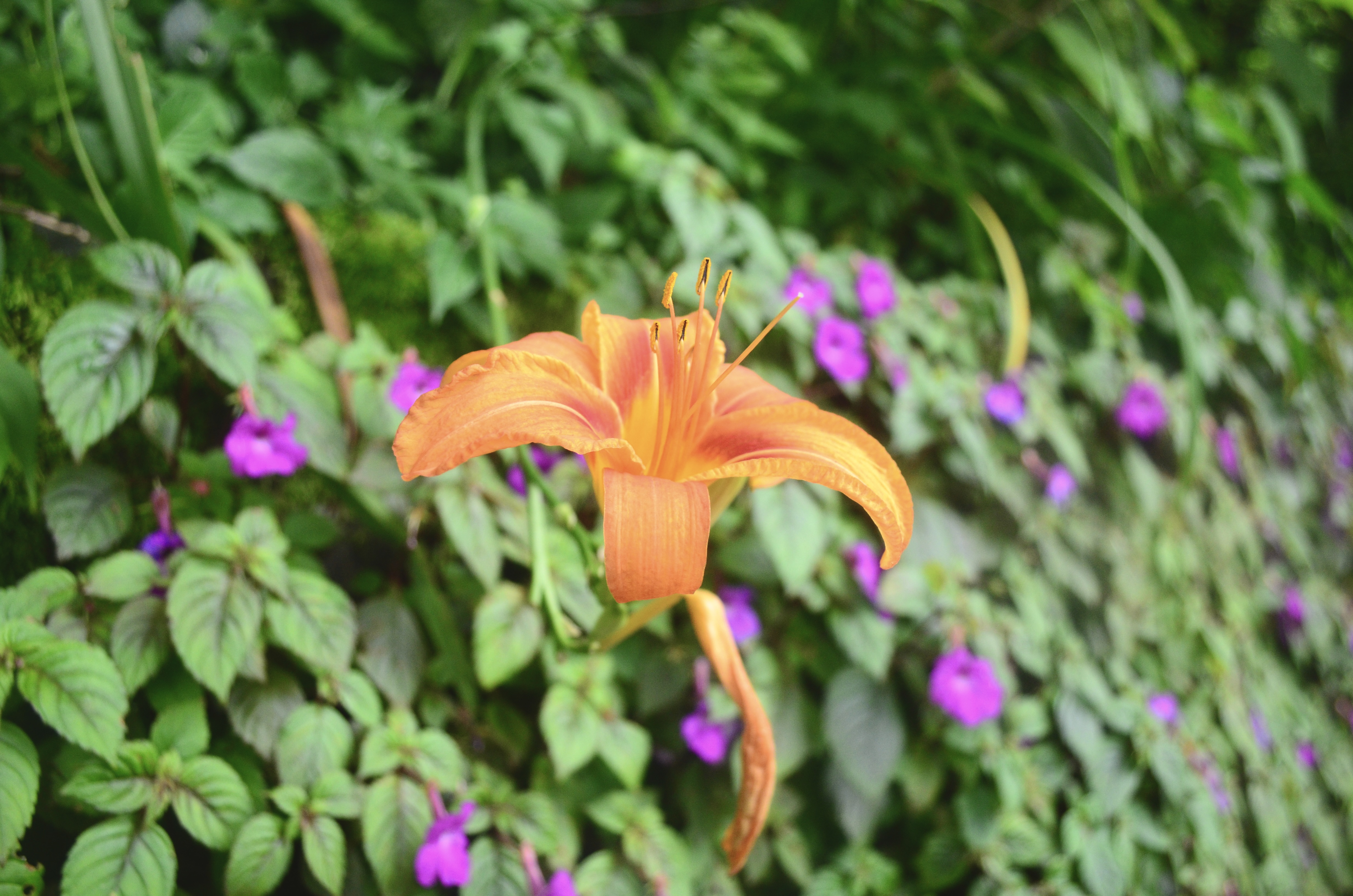
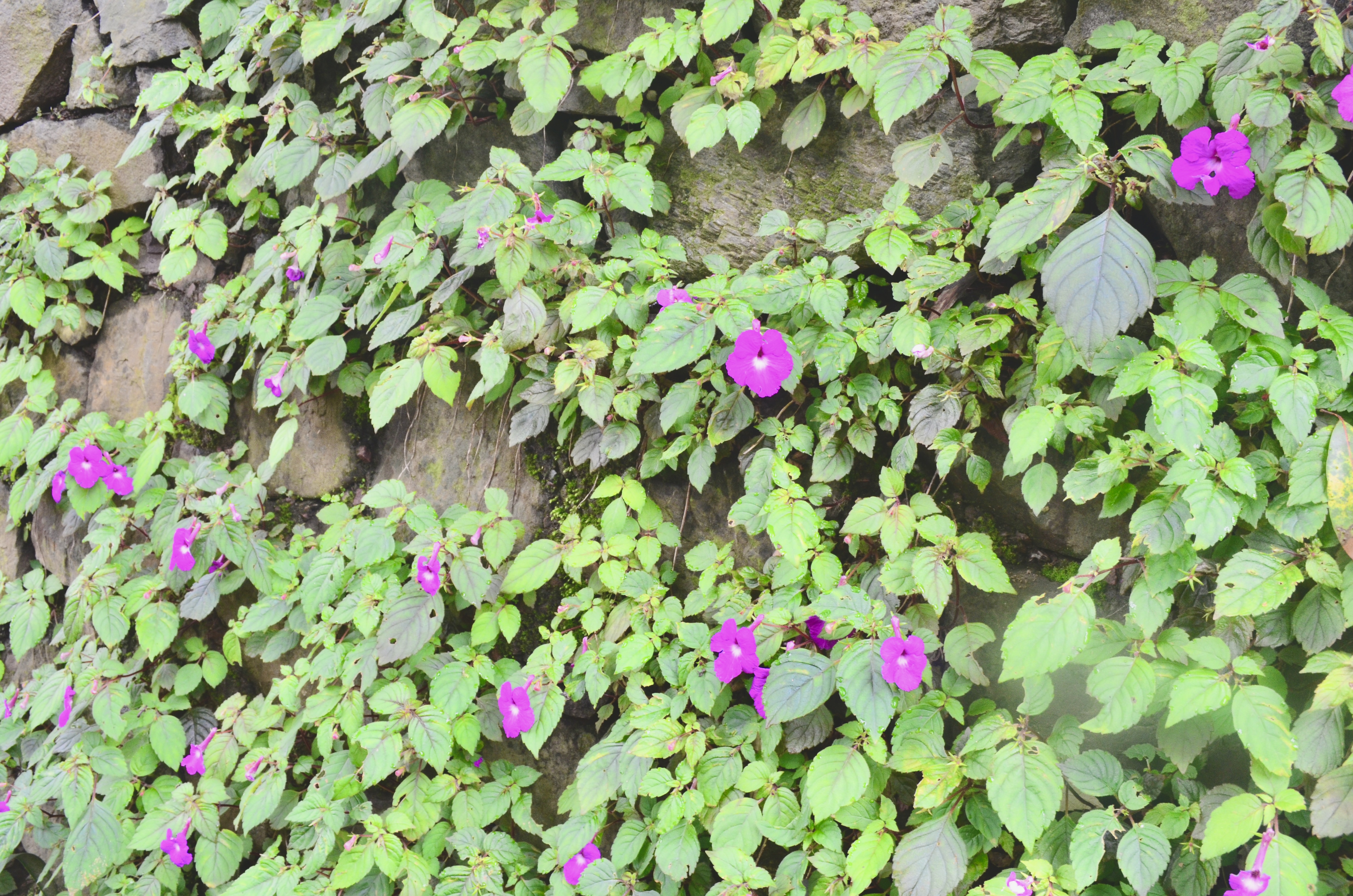
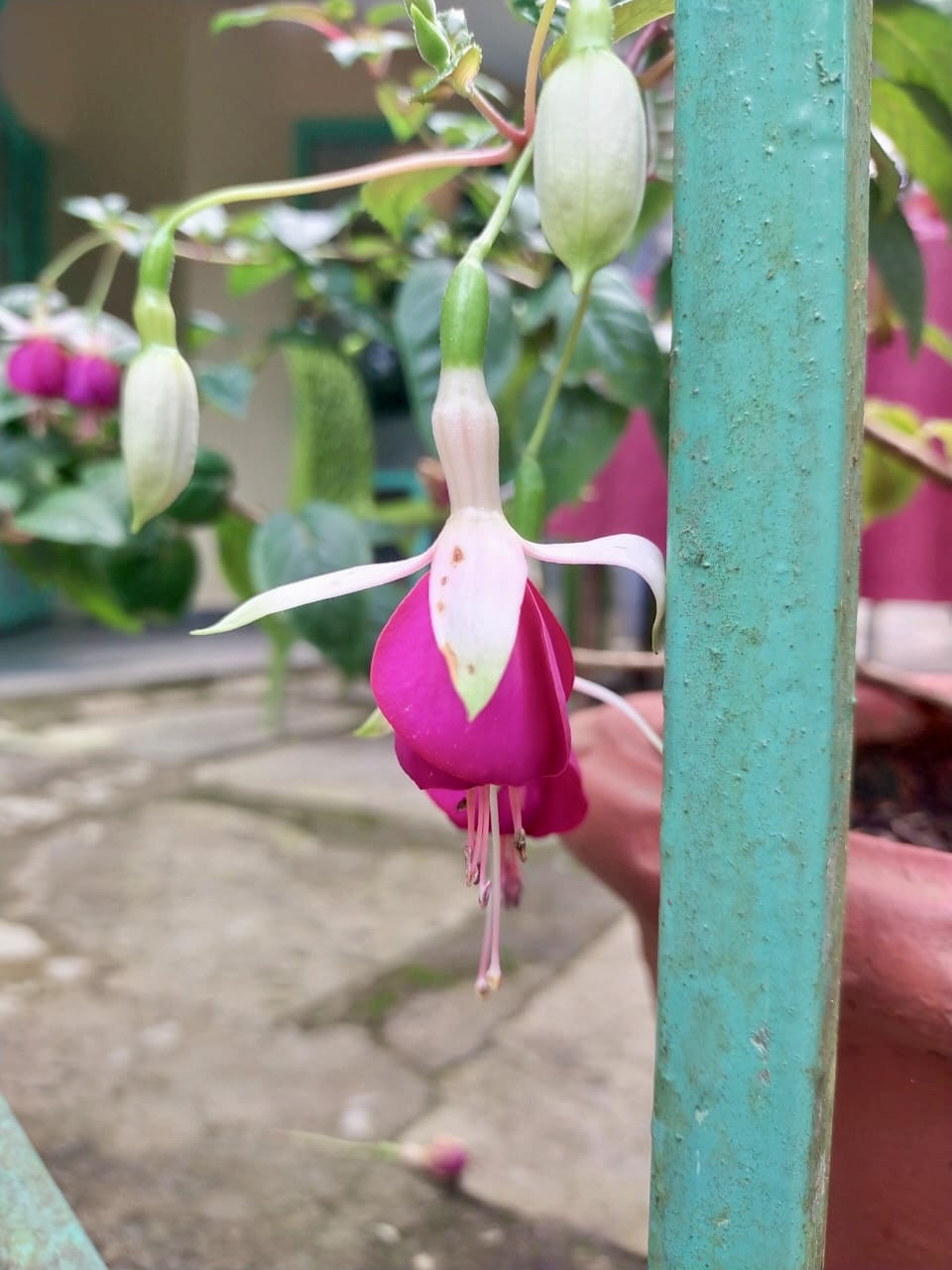
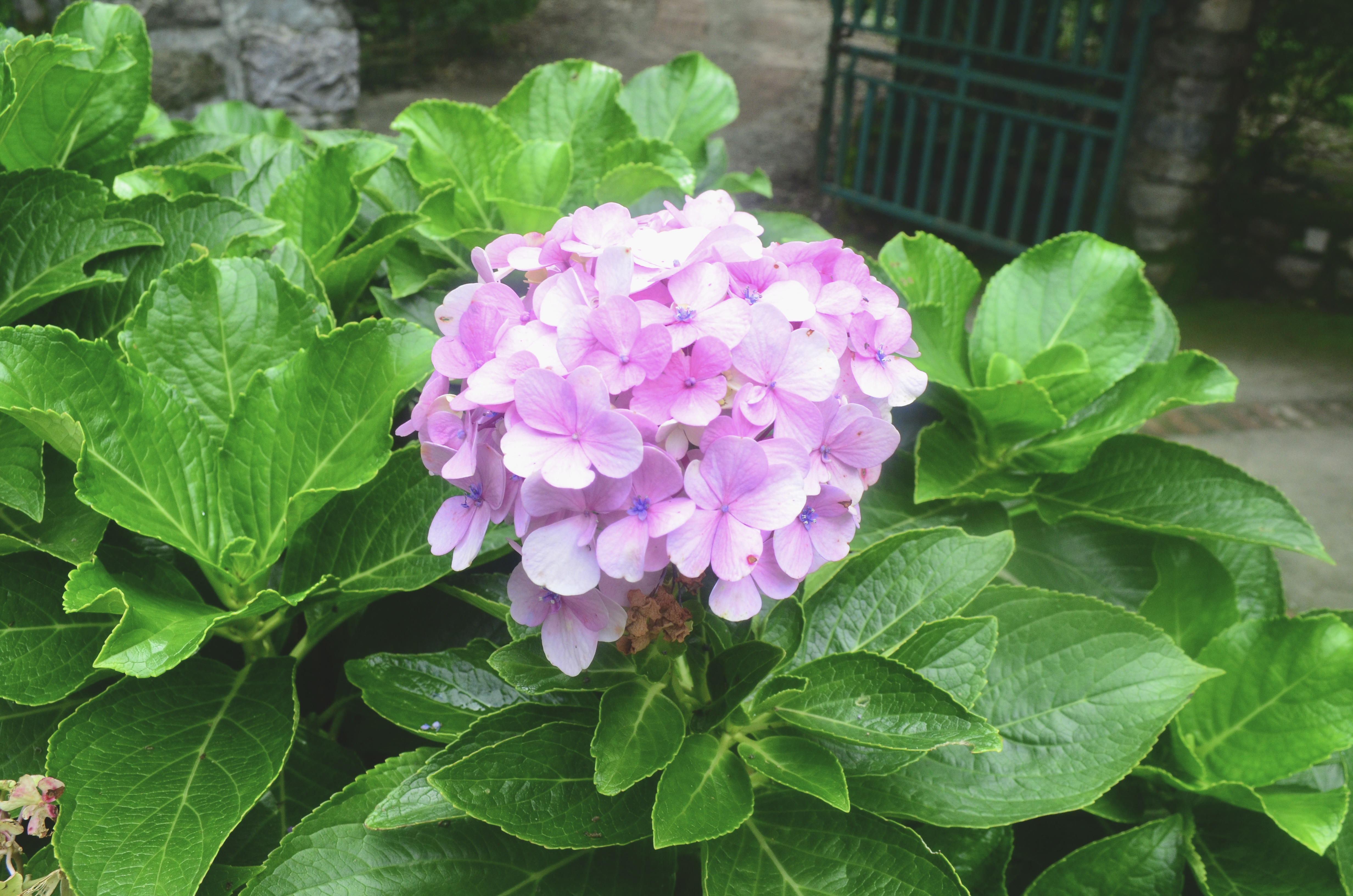
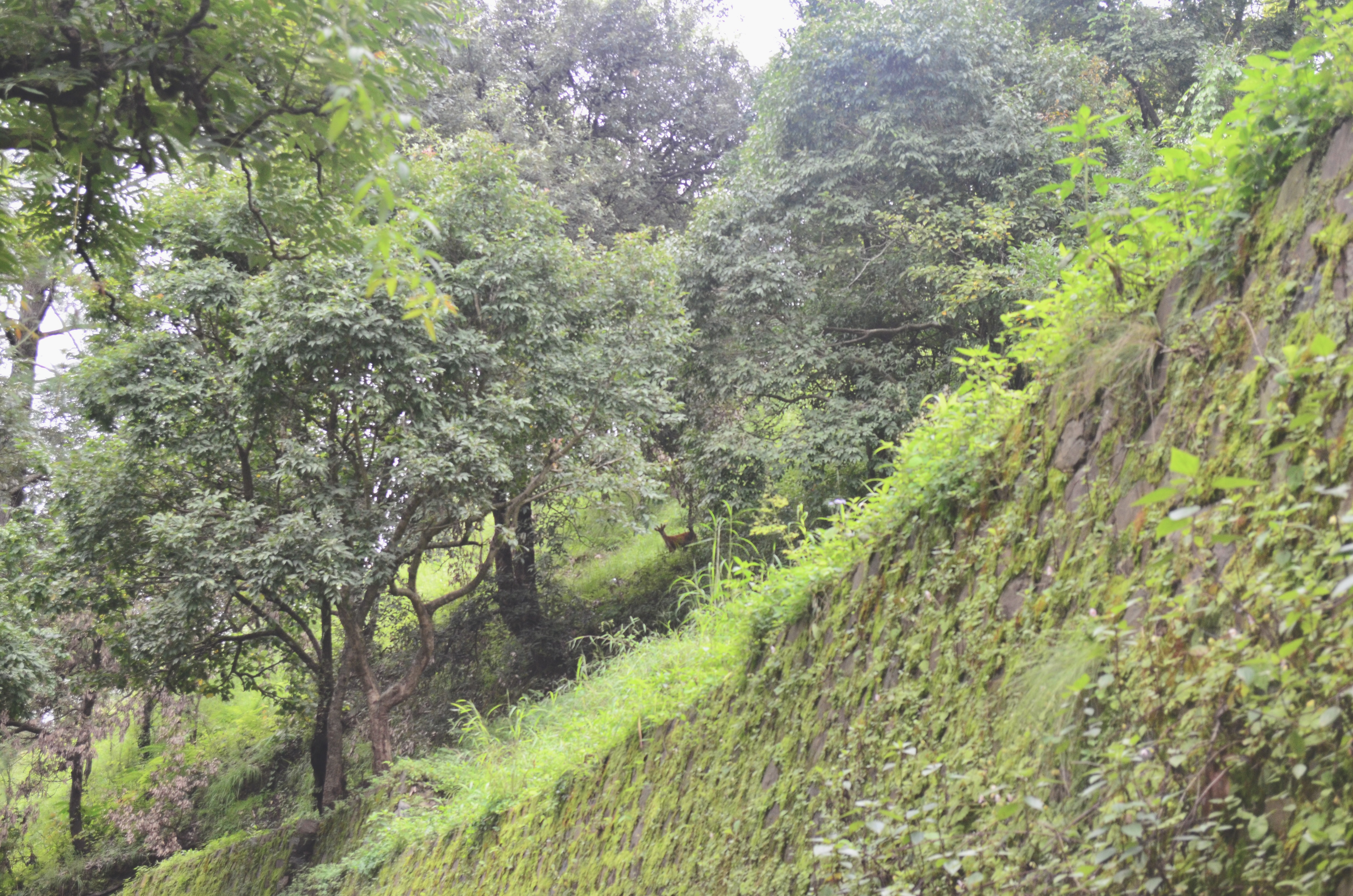
For four days, we explored the town in the most intimate way: embarking on long walks, following village trails, and passing through the woods. Along the way, we occasionally spotted a deer, sometimes a magpie, a whistling thrush, and a gray treepie.
The air smelled of pines, and the faint musk of wet earth drifted through the woods. In the silence of the night, the songs of crickets and tiny critters came alive. Millions of stars scattered across the sky, and the placid lake glimmered softly under the romantic moonlight.
It was the hour when the wilderness felt most enchanting—alive and breathing.
At a kirana shop—a local general store—we asked if the forest we had just walked past had ever seen any tiger sightings. “Of course,” the shopkeeper said casually.
“Around here, spotting a big cat is more common than you’d think. This is their home, you see?”
For a moment, I hesitated, wondering if walking back to our stay would be wise at all. But we did it anyway. Later that day, I found myself thinking—what if we had crossed paths with a leopard or a tiger?
Perhaps, there is no real answer to that—only the question remains: what if?
So long as the mind knows the danger isn’t immediate and doesn’t feel real in the moment, every adventure seems fun, and makes for a great story in the end. Right?


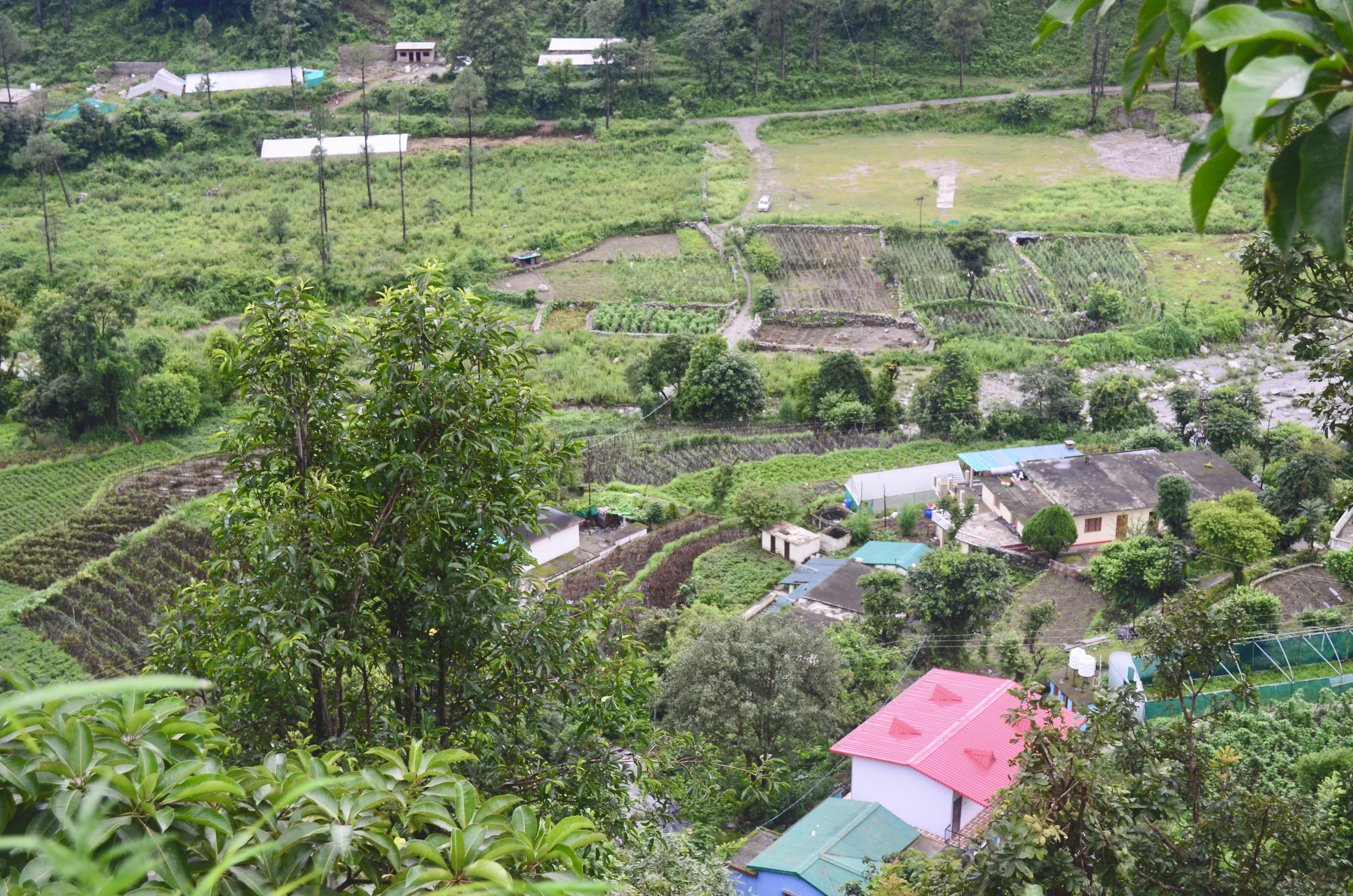
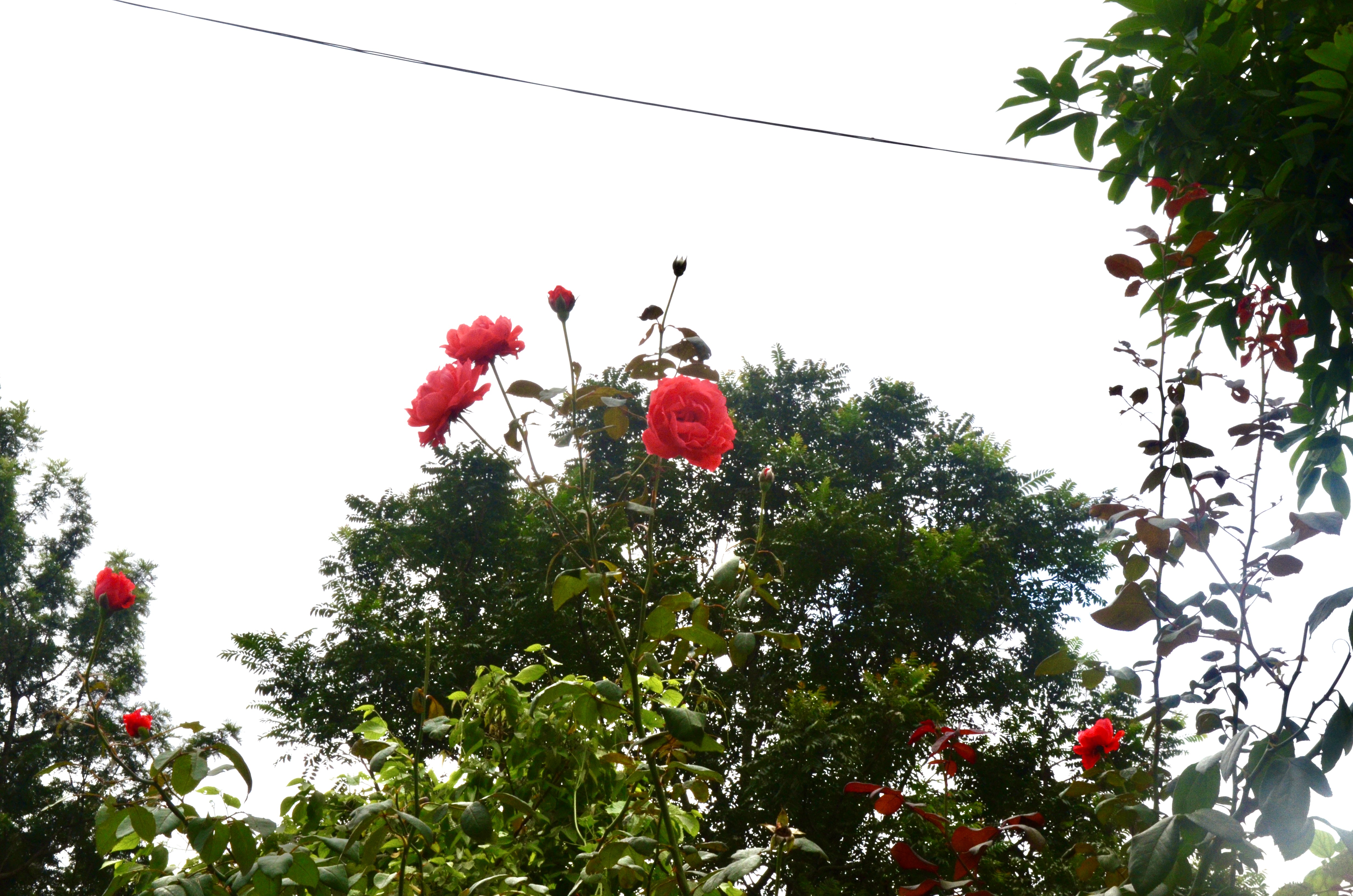
On our way back, I noticed tall rose bushes adorning the walls of quaint houses. White washed homes, made of stone, slate, and wood, with old ladders leaning against them. Quite characteristic of Kumaoni architecture.
As I passed by these modest settlements, I realized there exists a rare kind of harmony here—one that is unspoken and deeply respectful. A delicate balance of nature, where both humans and wildlife share the same spaces without overstepping boundaries or disturbing the ecosystem.
Now, I can see why the shopkeeper had been so nonchalant. For him, living alongside the wild is part of his everyday life, not a matter of conflict. This is how it has been since the beginning, and this is how it should be for mankind.
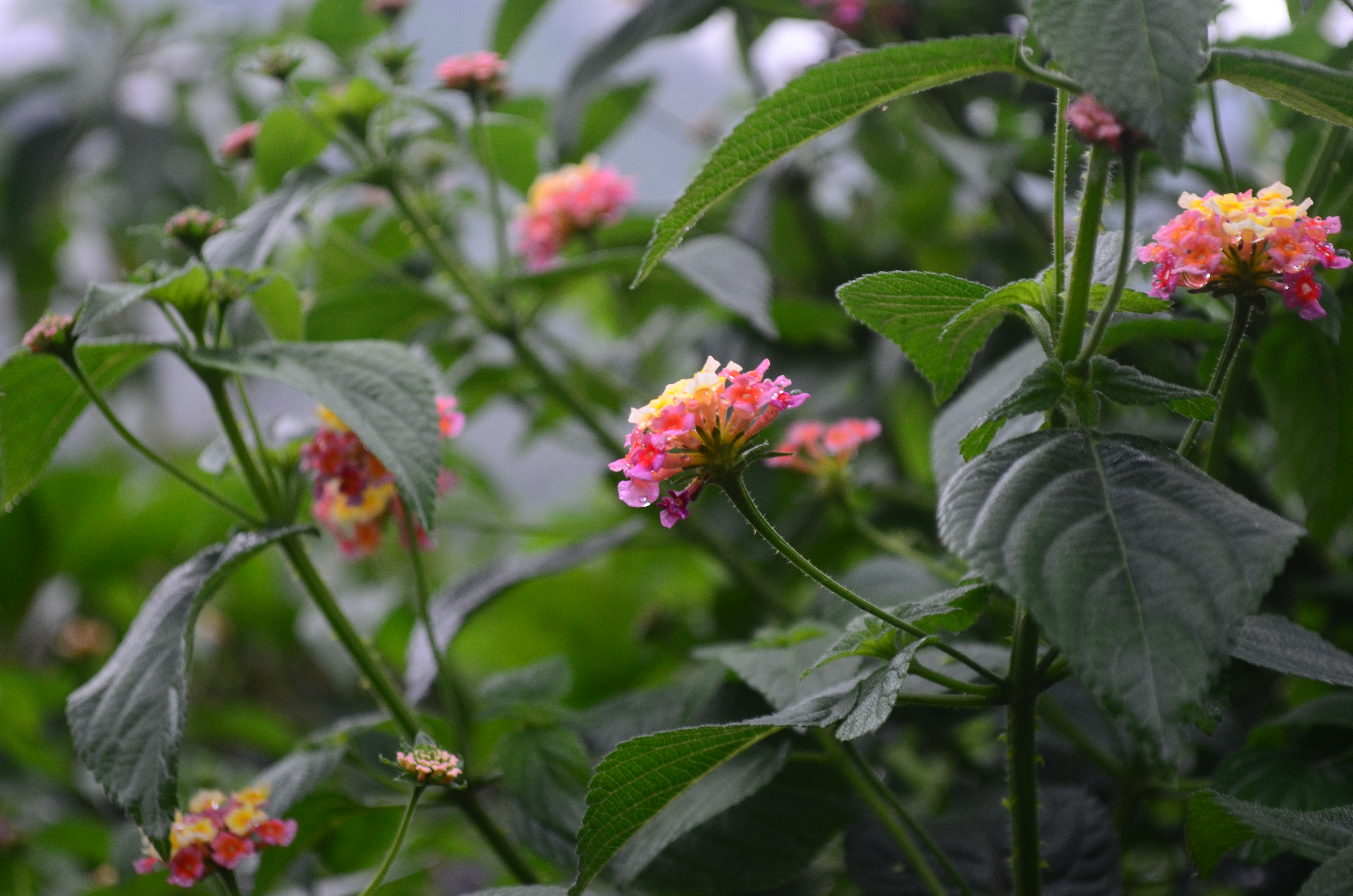
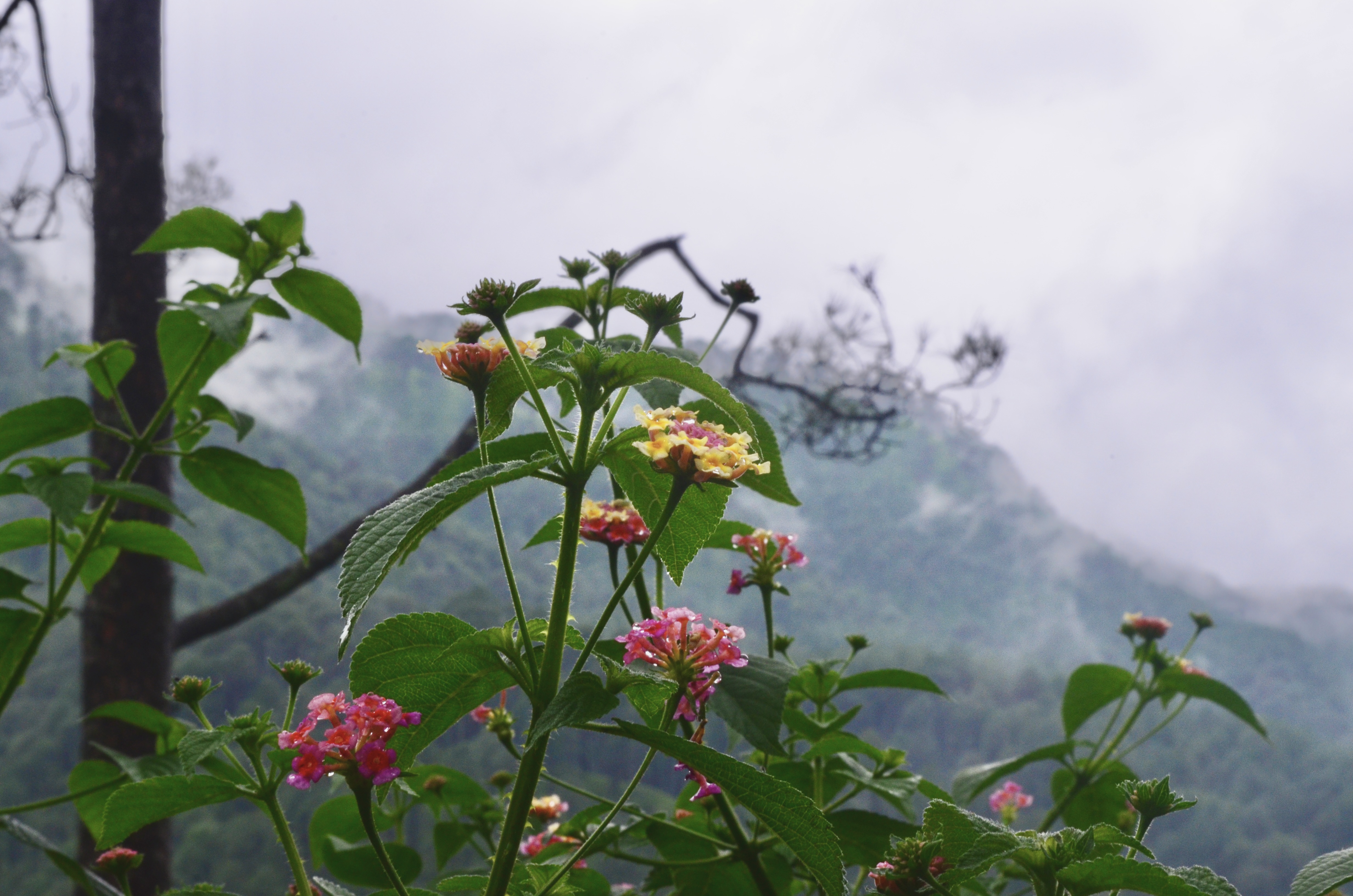
Naukuchiatal is for wandering hearts who seek solace in nature. Its unsullied beauty is a testament to the beautiful coexistence between humankind and wildlife.
While we came in search of a picturesque getaway, what we found was a perfect refuge—a place to reset, far from the bustling crowd.
I am happy that it is still a lesser-known gem, and not just another buzzing, overcrowded hill station in the Himalayas.
If, on a fine day, you decide to embark on a perfect weekend escape, Naukuchiatal would be your calm sanctuary.
Come, experience the tranquil town for yourself.

Discover more from
Subscribe to get the latest posts sent to your email.
 amritaduorah.com