The very topic of architecture fascinates me.
We see it in our everyday lives––in houses, museums, modern buildings, parks, historical monuments, churches, mosques, forts, and palaces.
And then, there are these timeless wonders to marvel at, such as the Louvre in Paris, the grand Colosseum in Rome, the Baha’i Temple in New Delhi or the Basilica of Bom Jesus in Goa.
Such works of beauty and labor must have been the life’s work of their creators––their magnum opus.
I am no architect, but I take great delight in exploring the history, style, symmetry, texture, materials and diverse elements that go into raising a masterpiece of a building.
Especially, the old edifices and heritage structures that still stand tall and are spectacular to behold.
Without the technologies we have today, the idea of building such magnificent architecture––some dating back as far as 2500 BC––seems almost unimaginable.
How incredibly ingenious and courageous men must have been to bring them into existence.
The thought alone is mind-blowing.

The Reclining Buddha
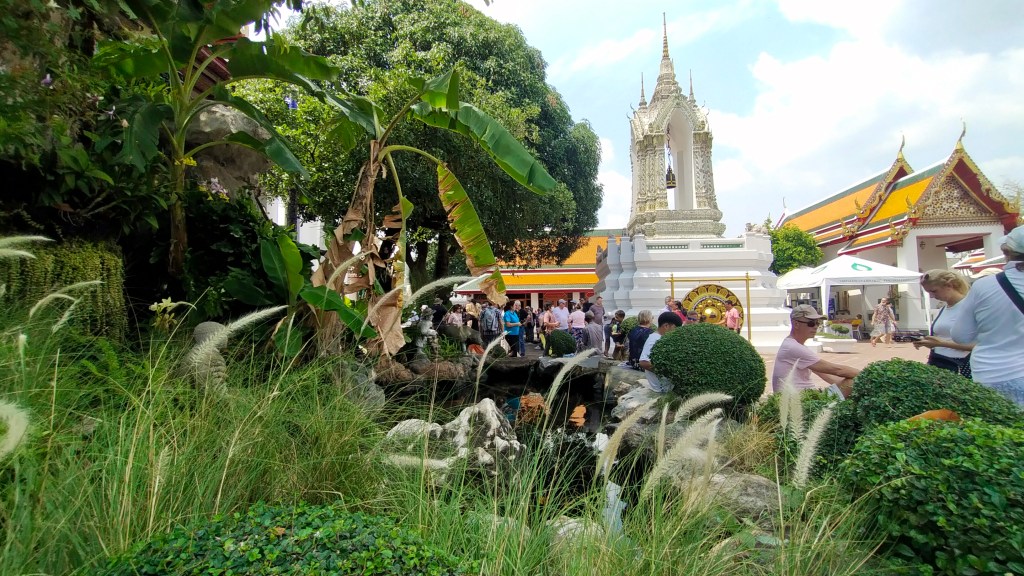
Right away, I think of the stunning Buddhist temples of Bangkok––the centuries-old Wat Pho and Wat Arun, standing along the banks of the Chao Phraya river.
Walking through some of the city’s oldest sites was a feast for the senses.
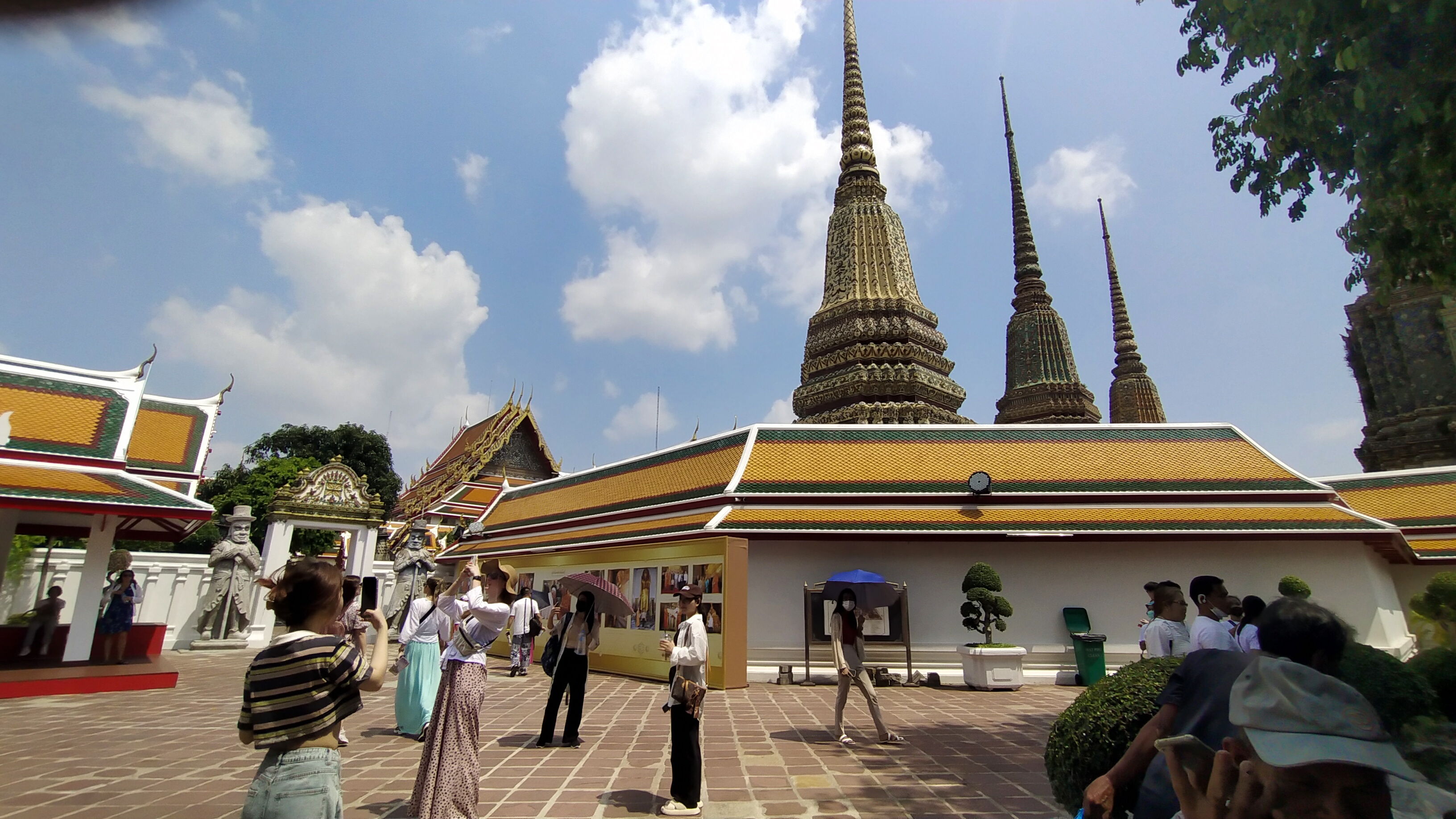
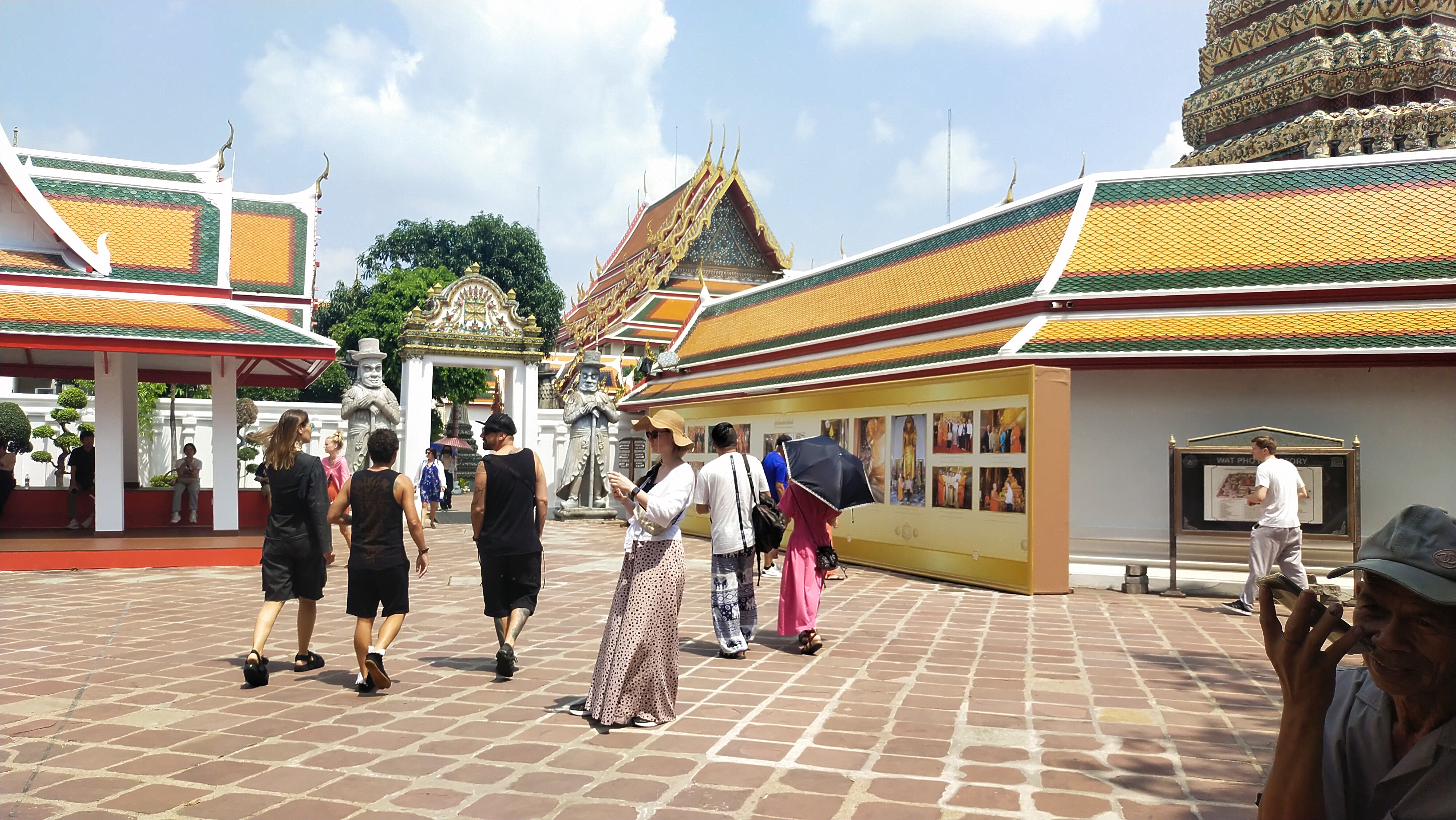
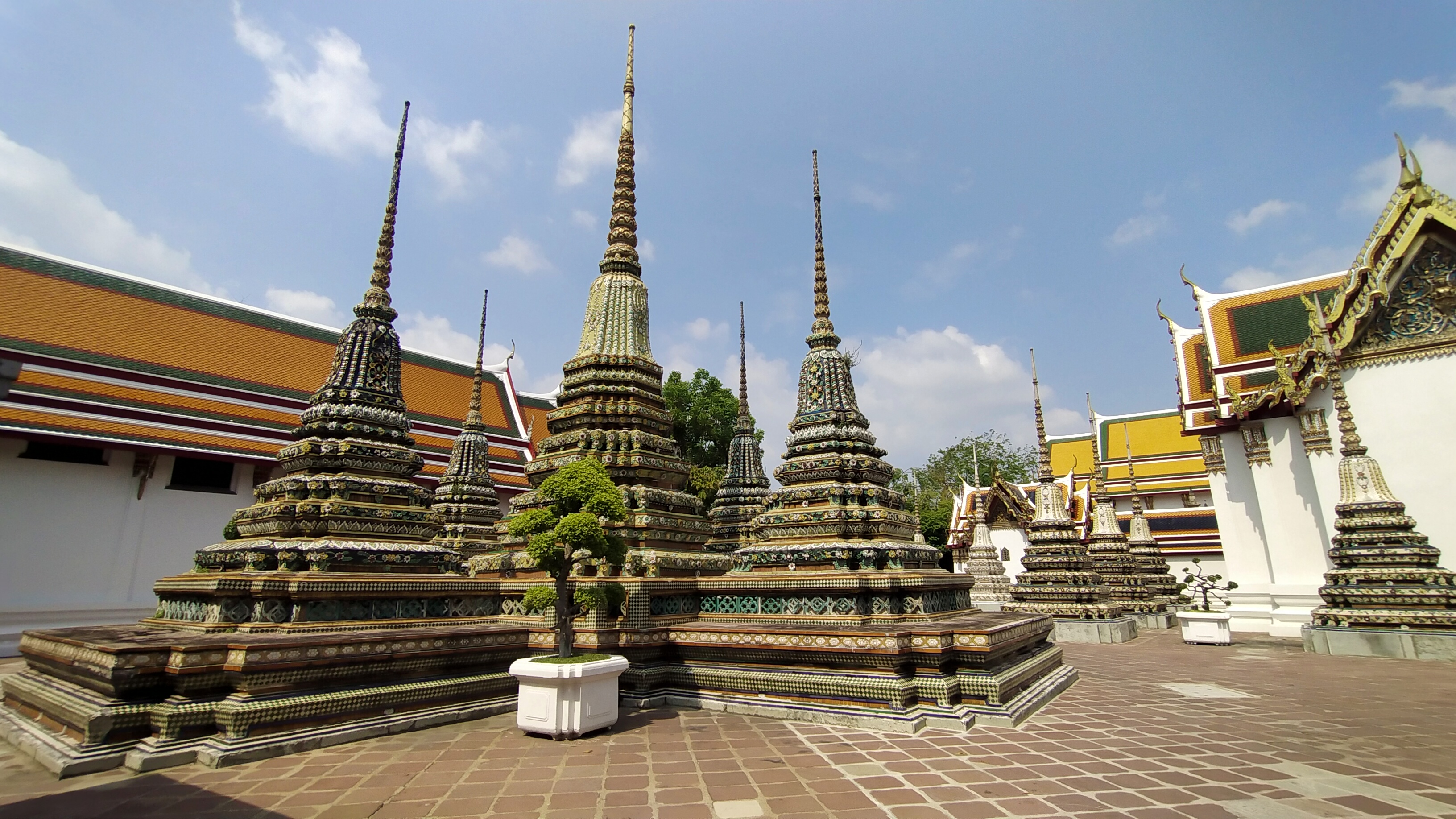
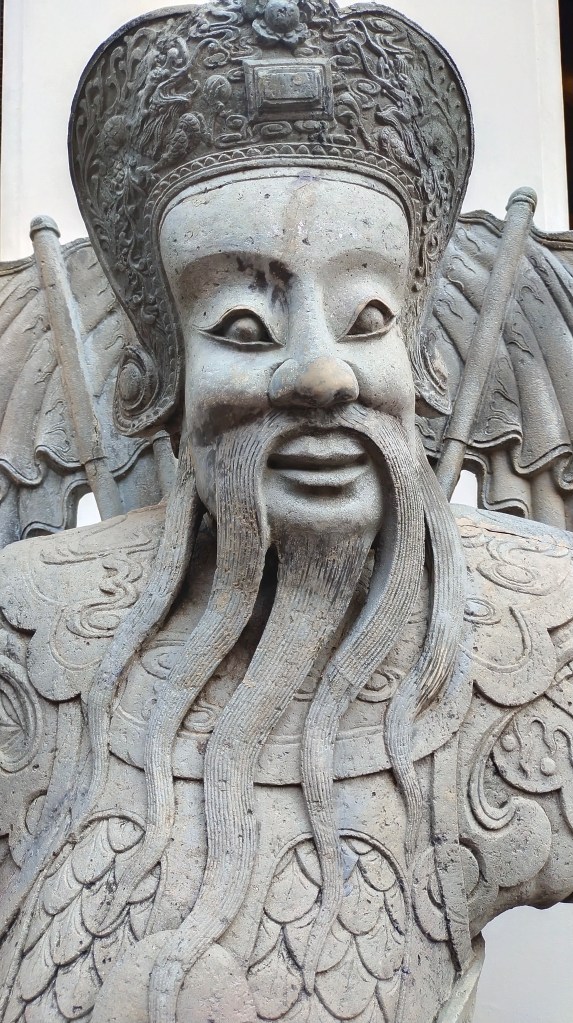
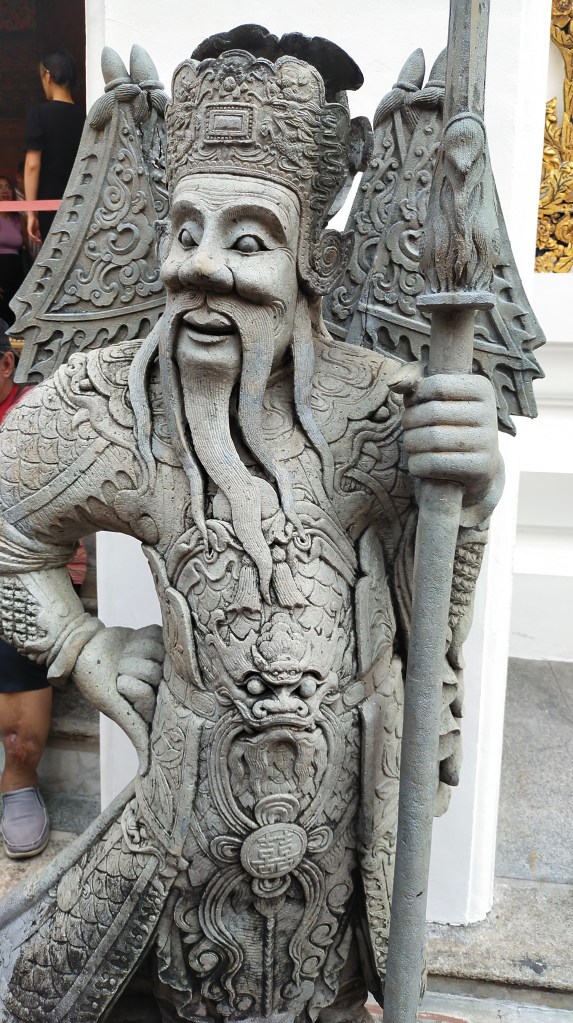
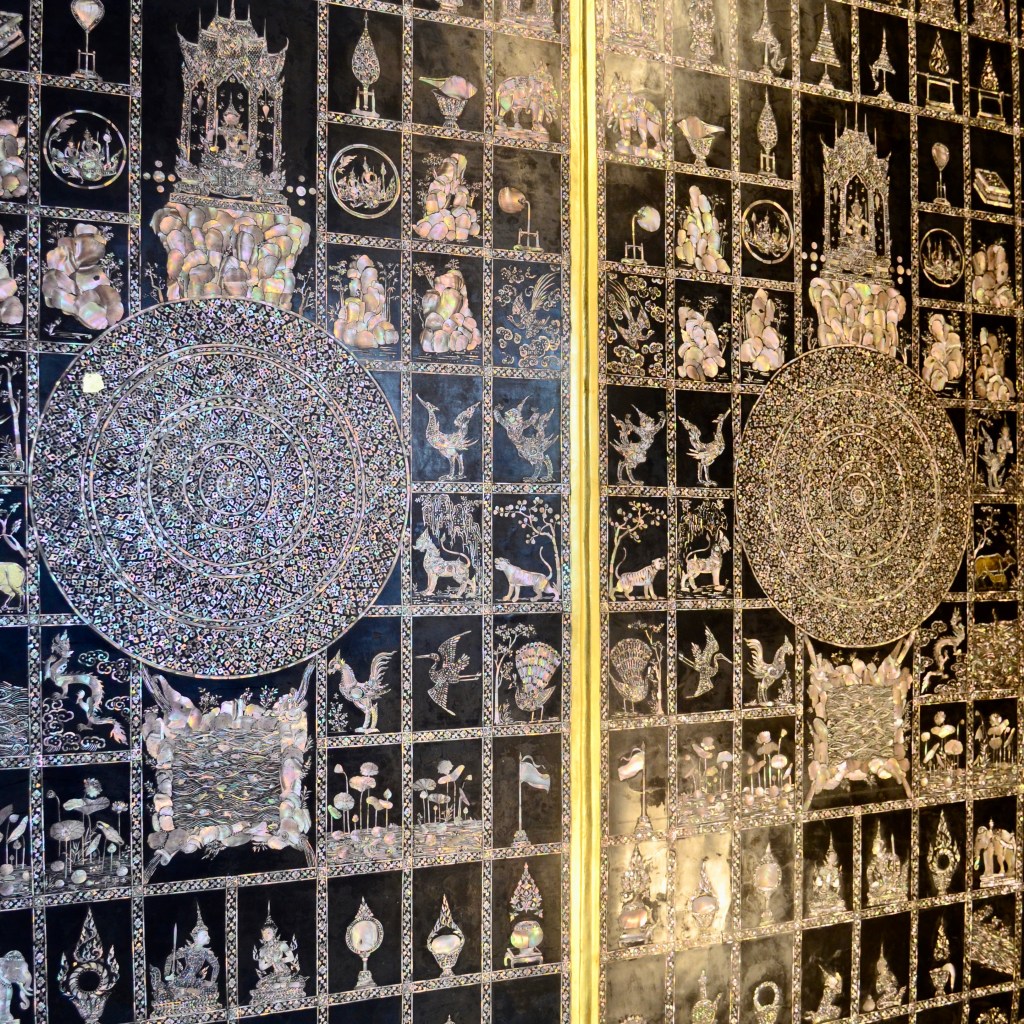
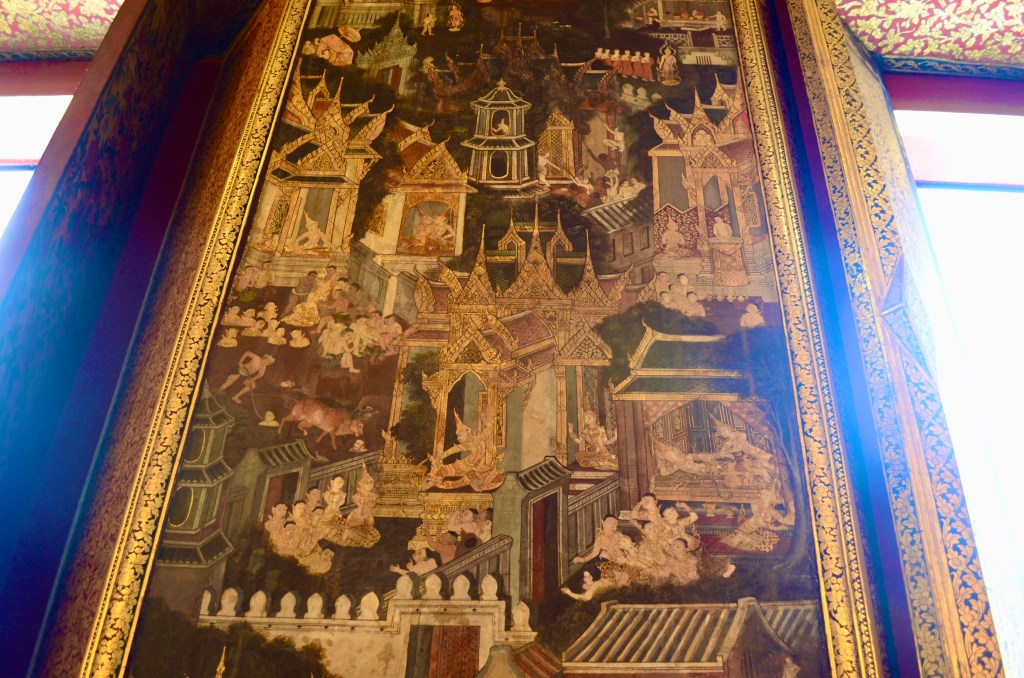
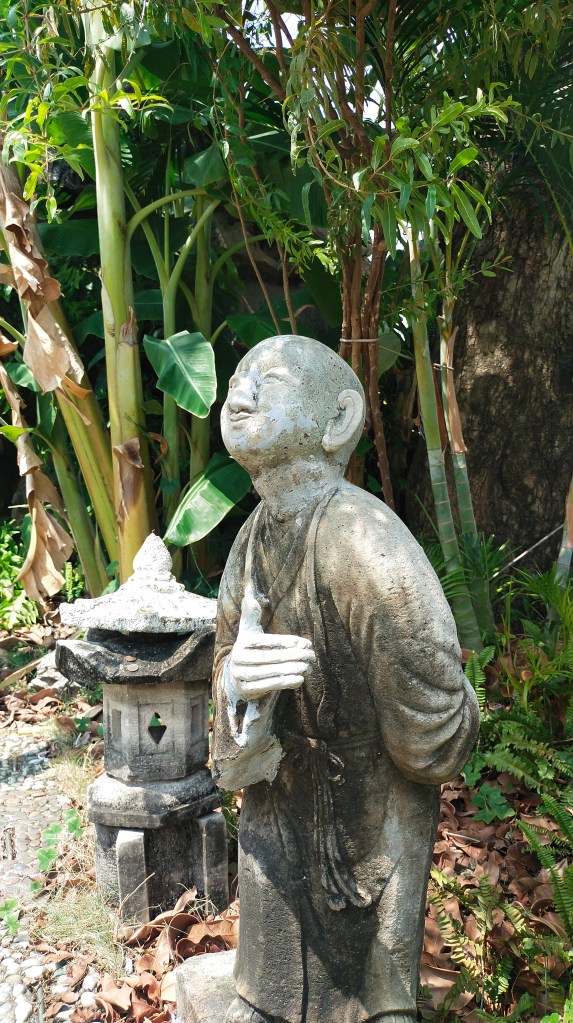
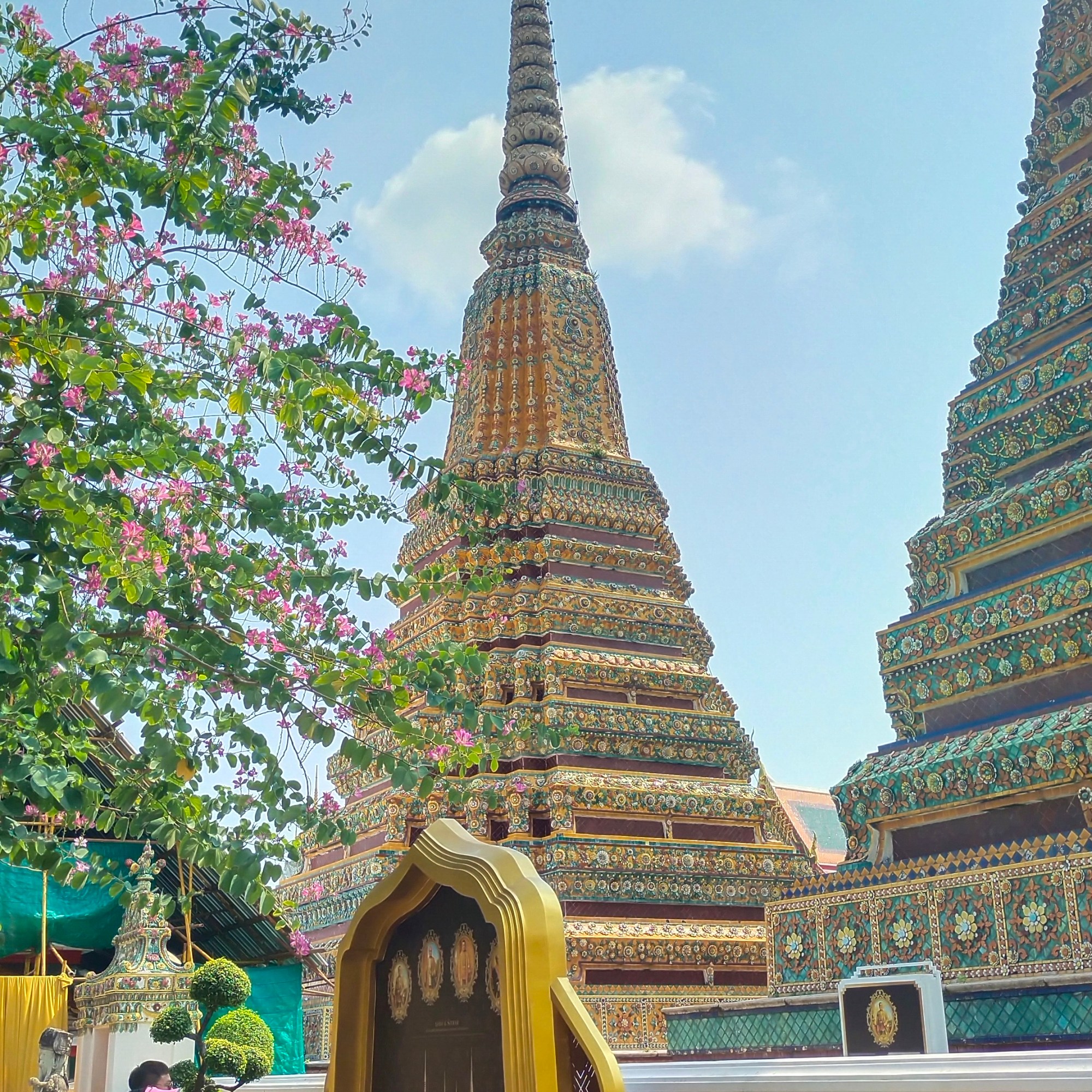
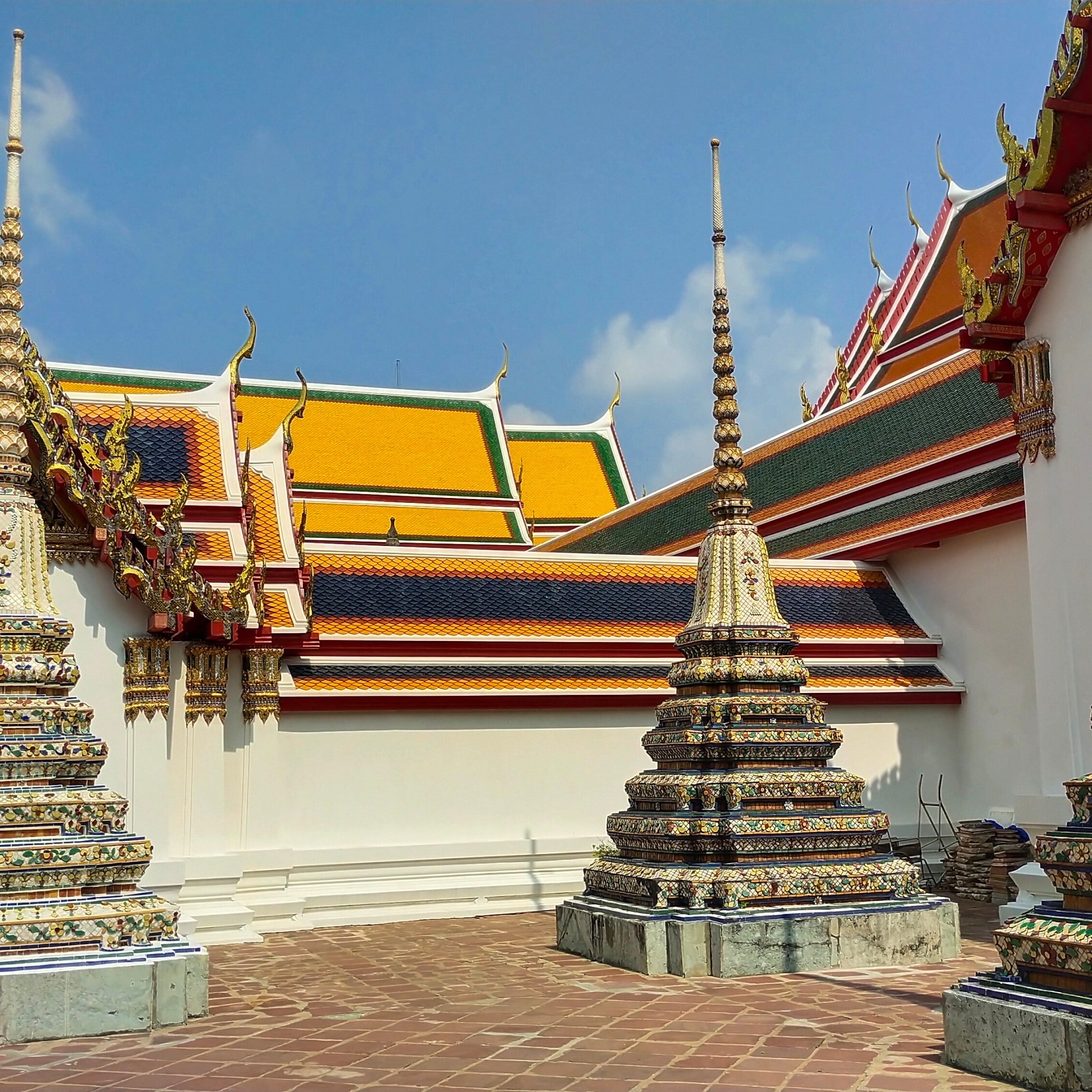
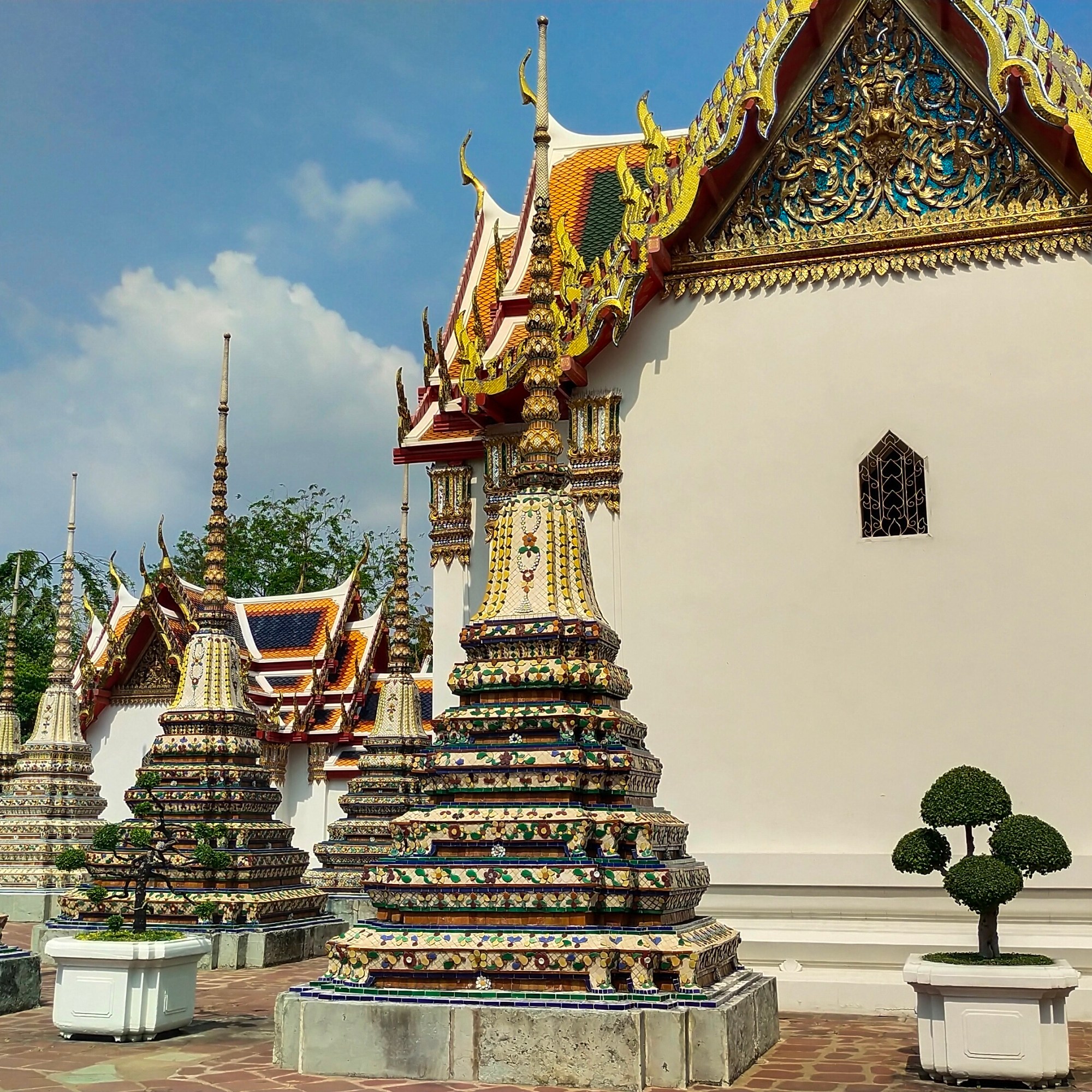
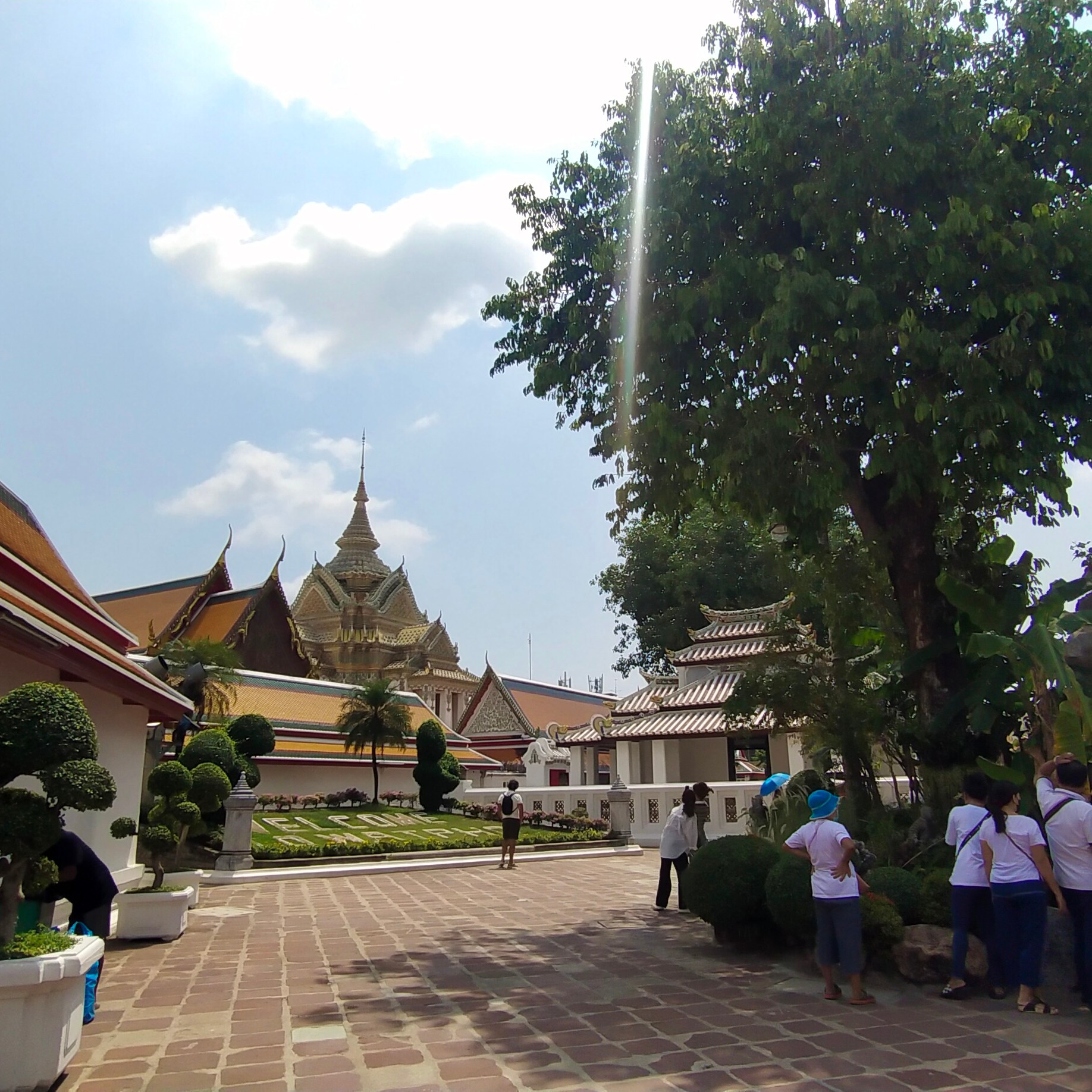
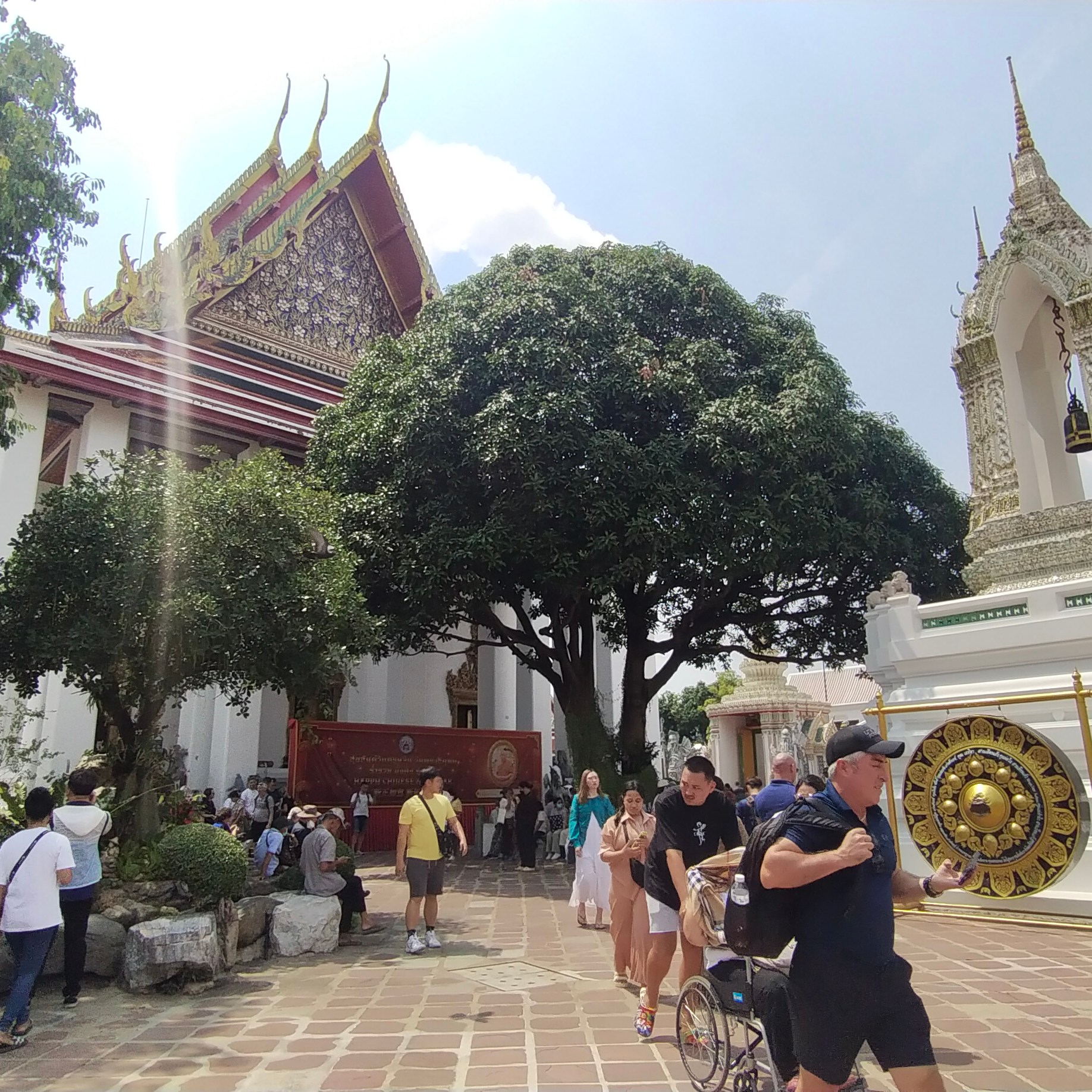
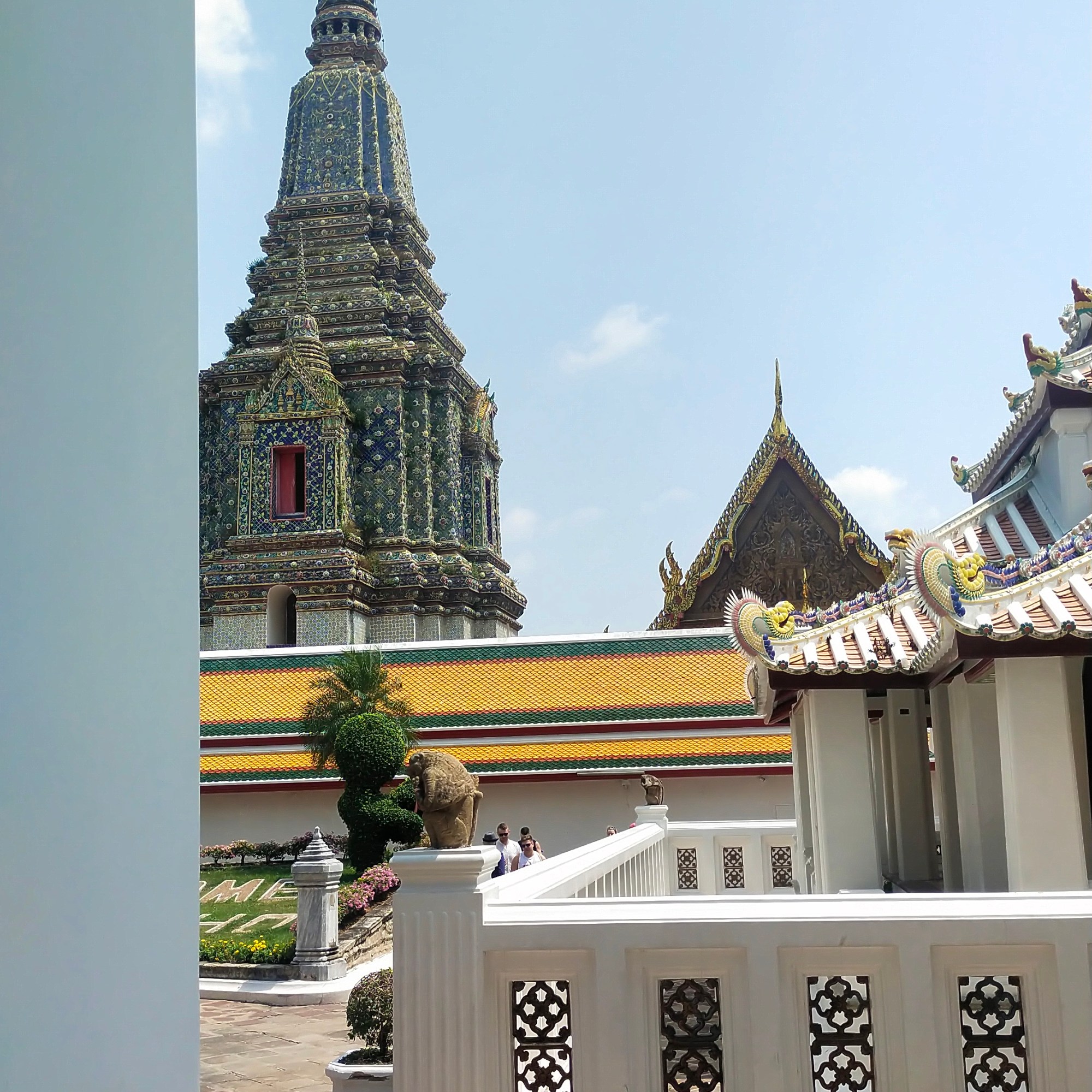
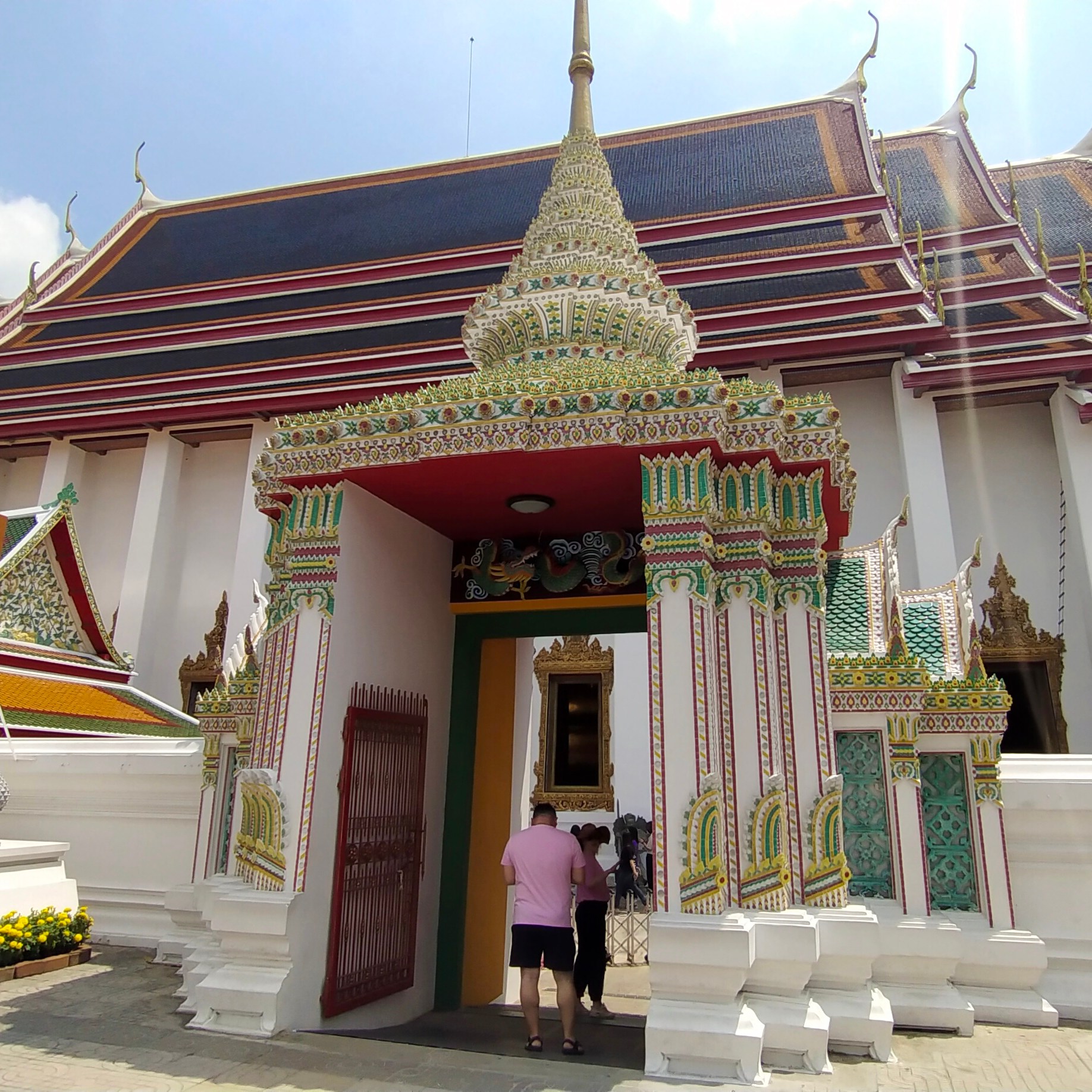
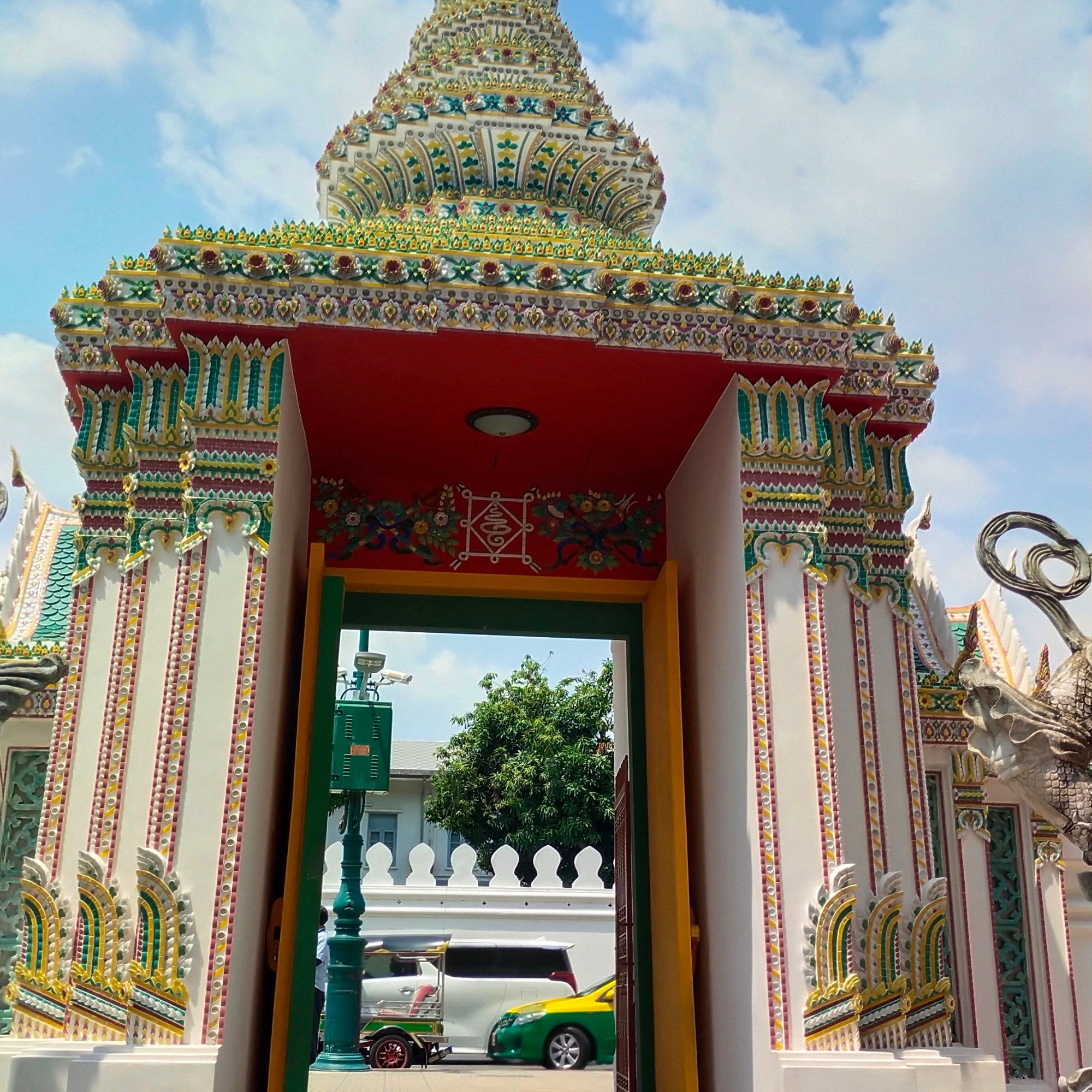
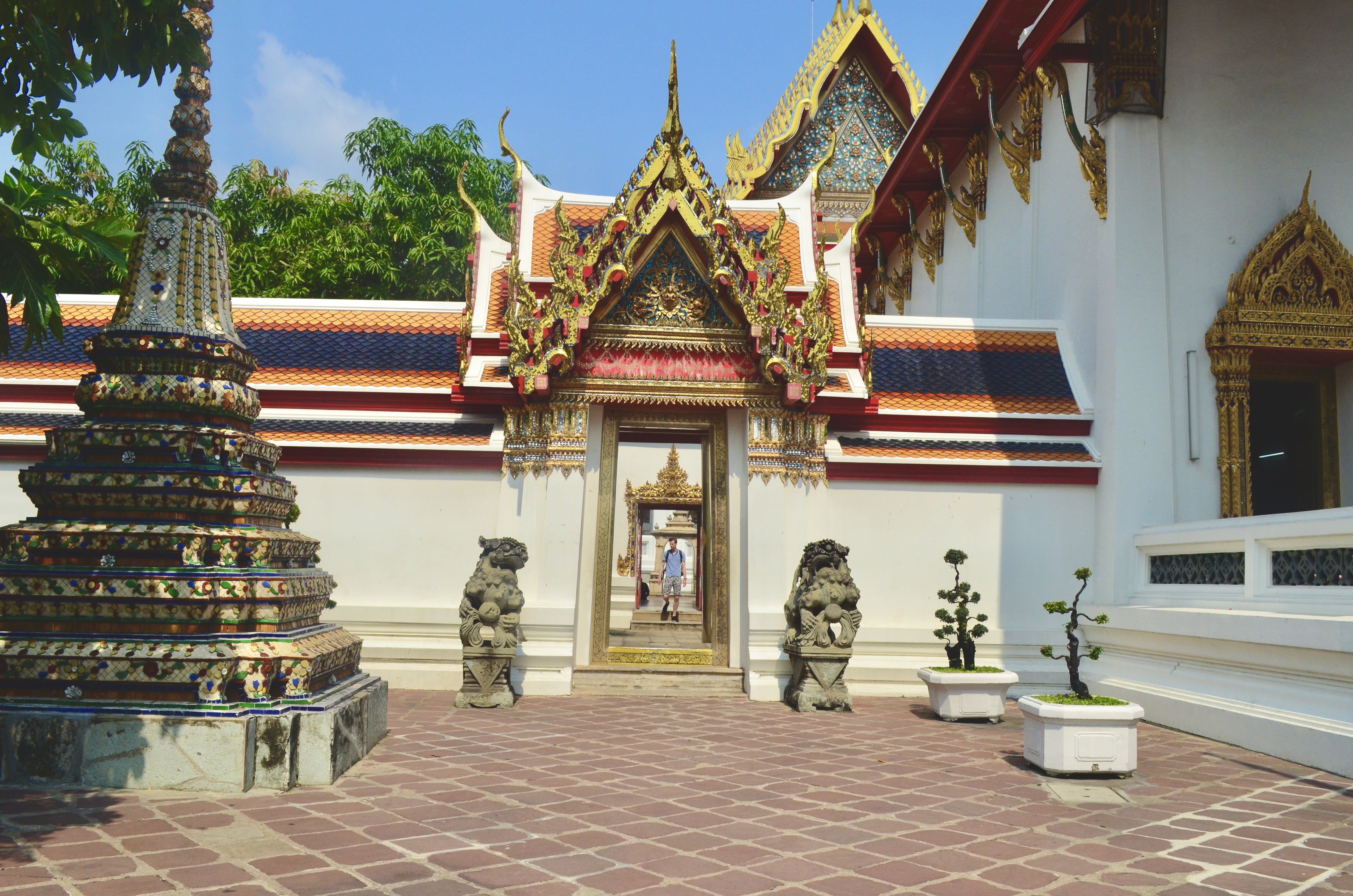
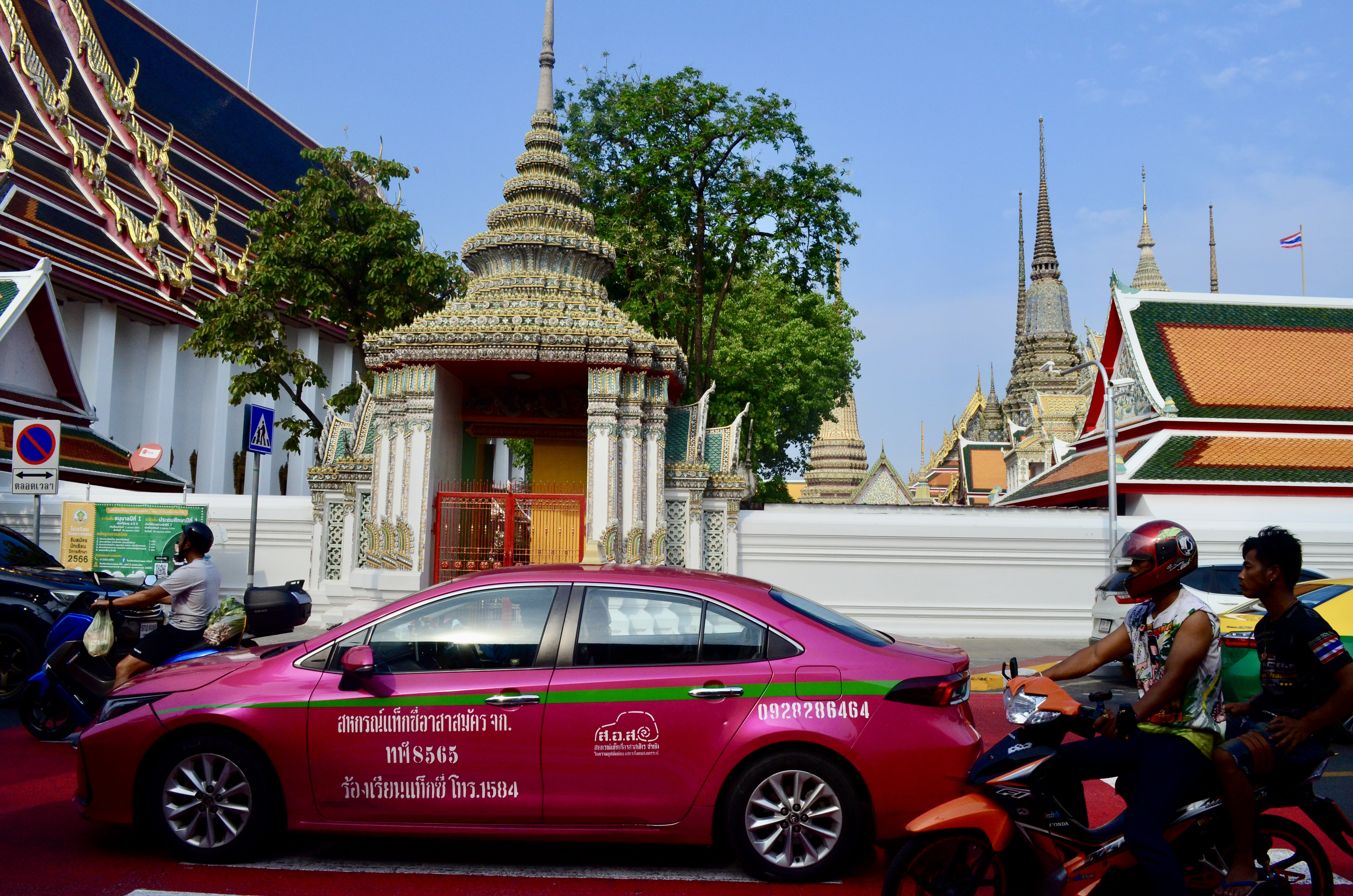
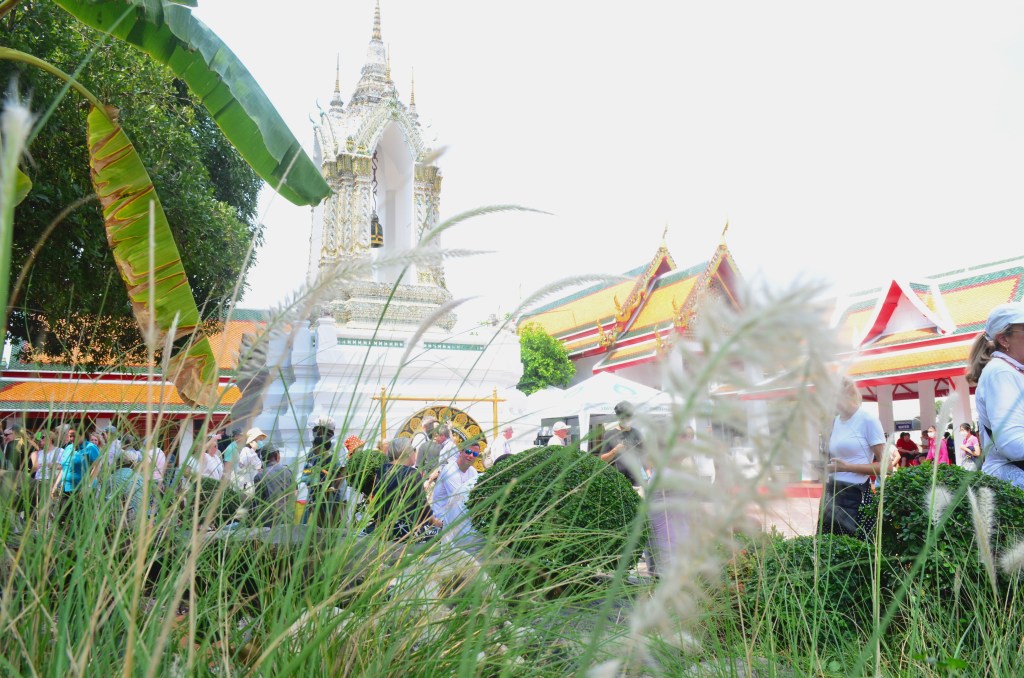
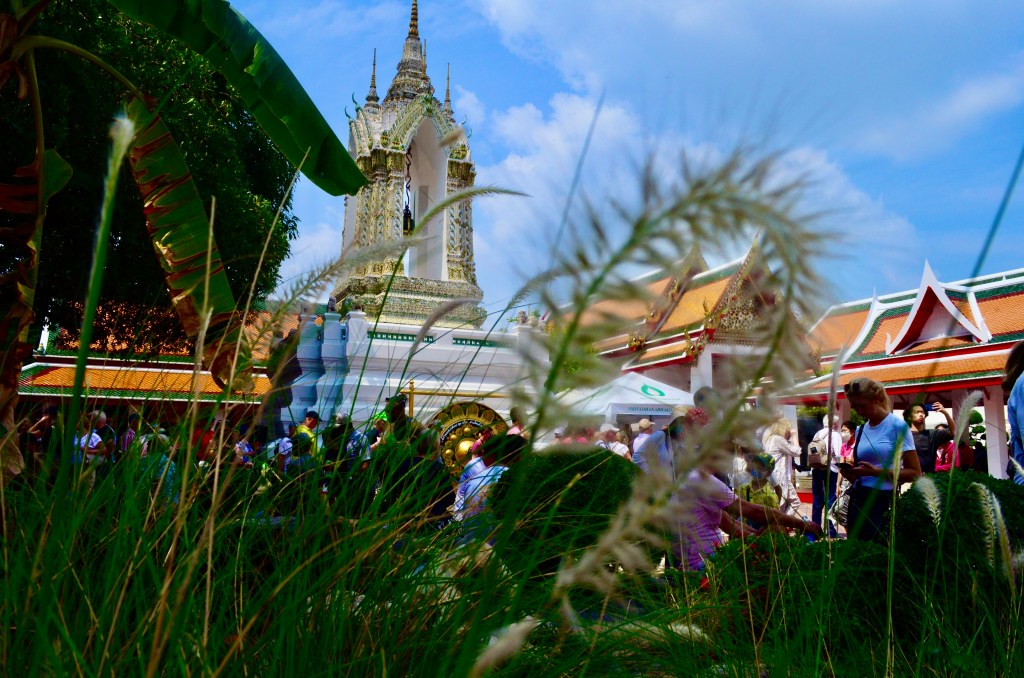
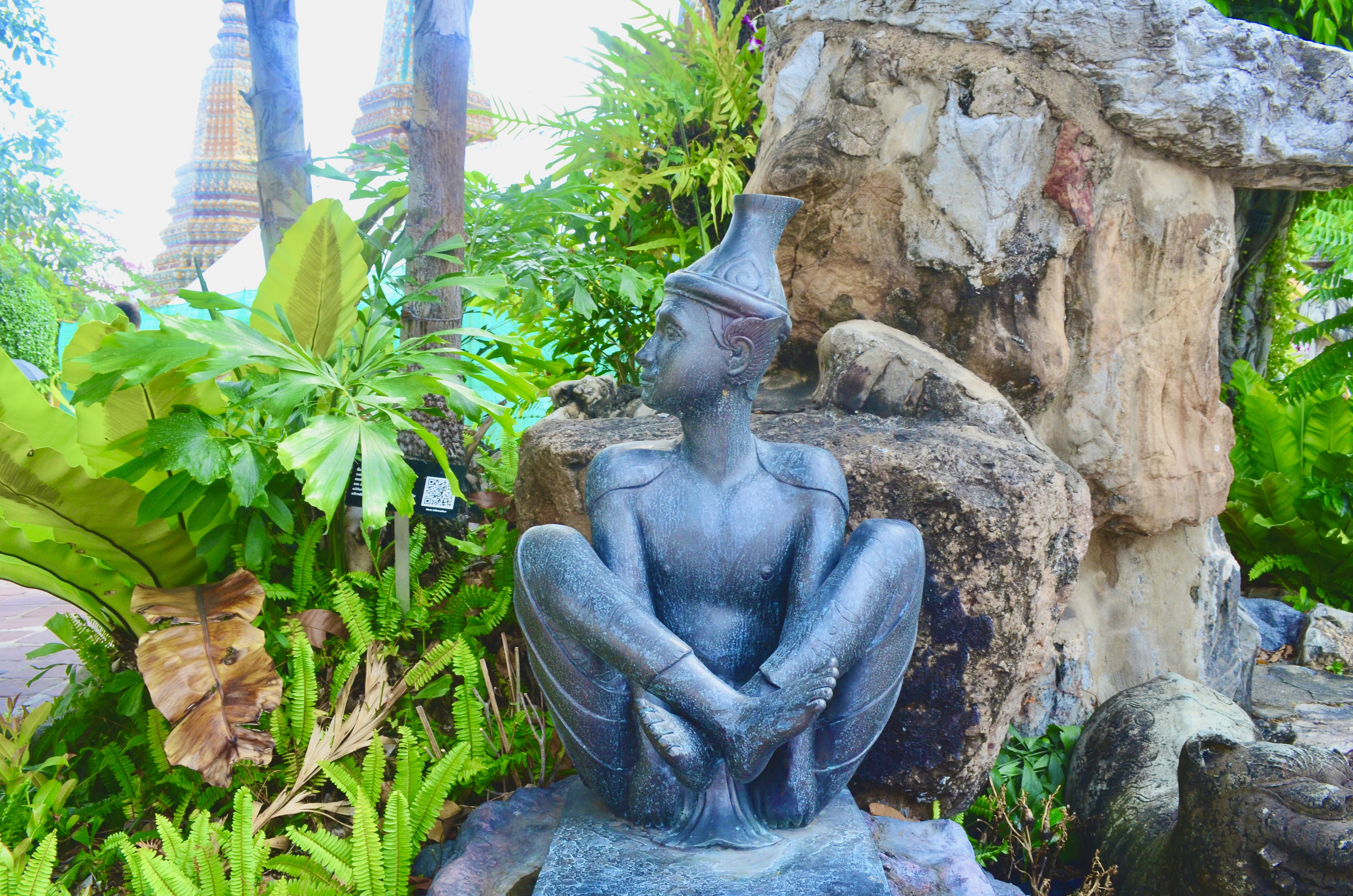
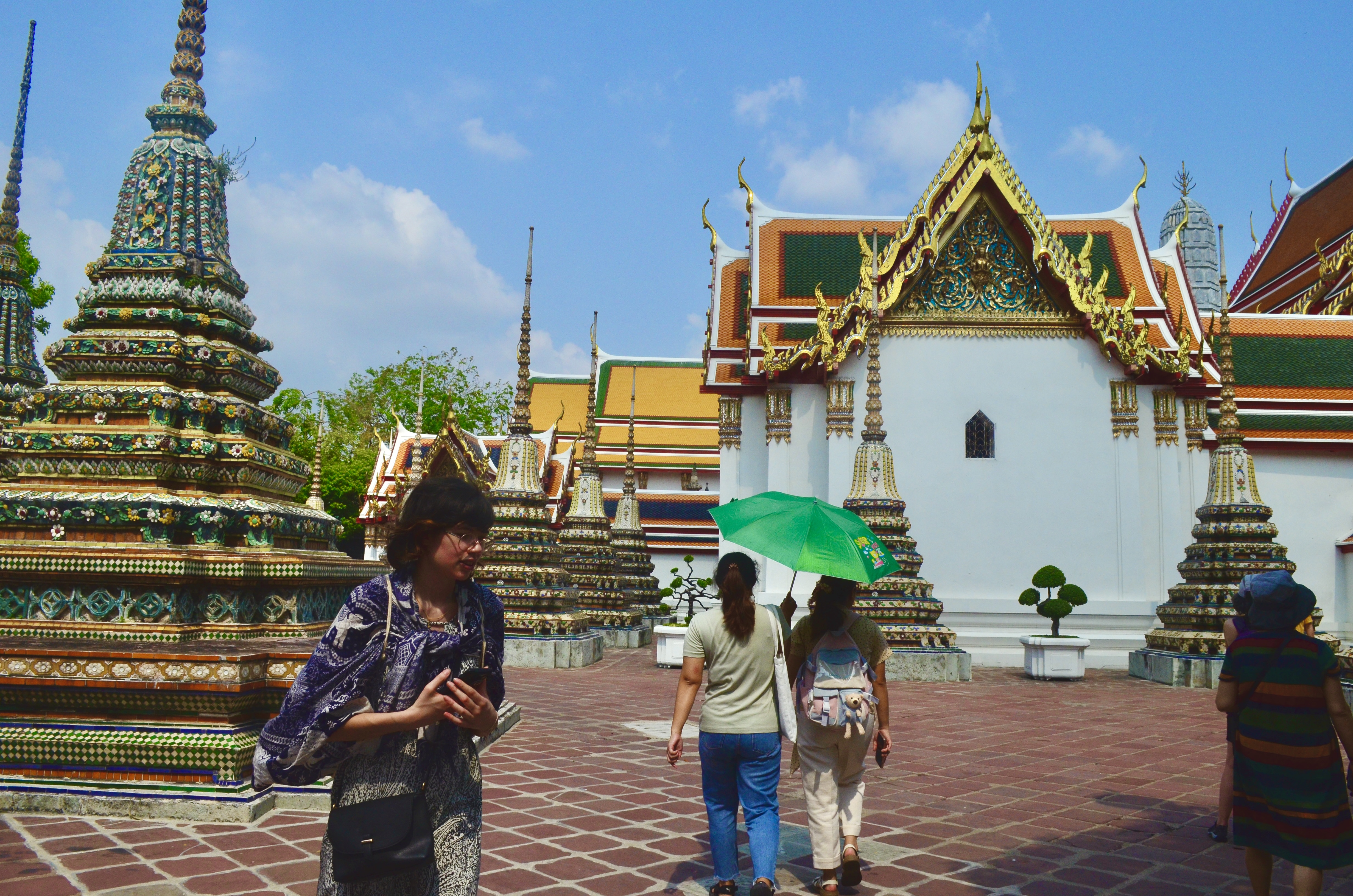
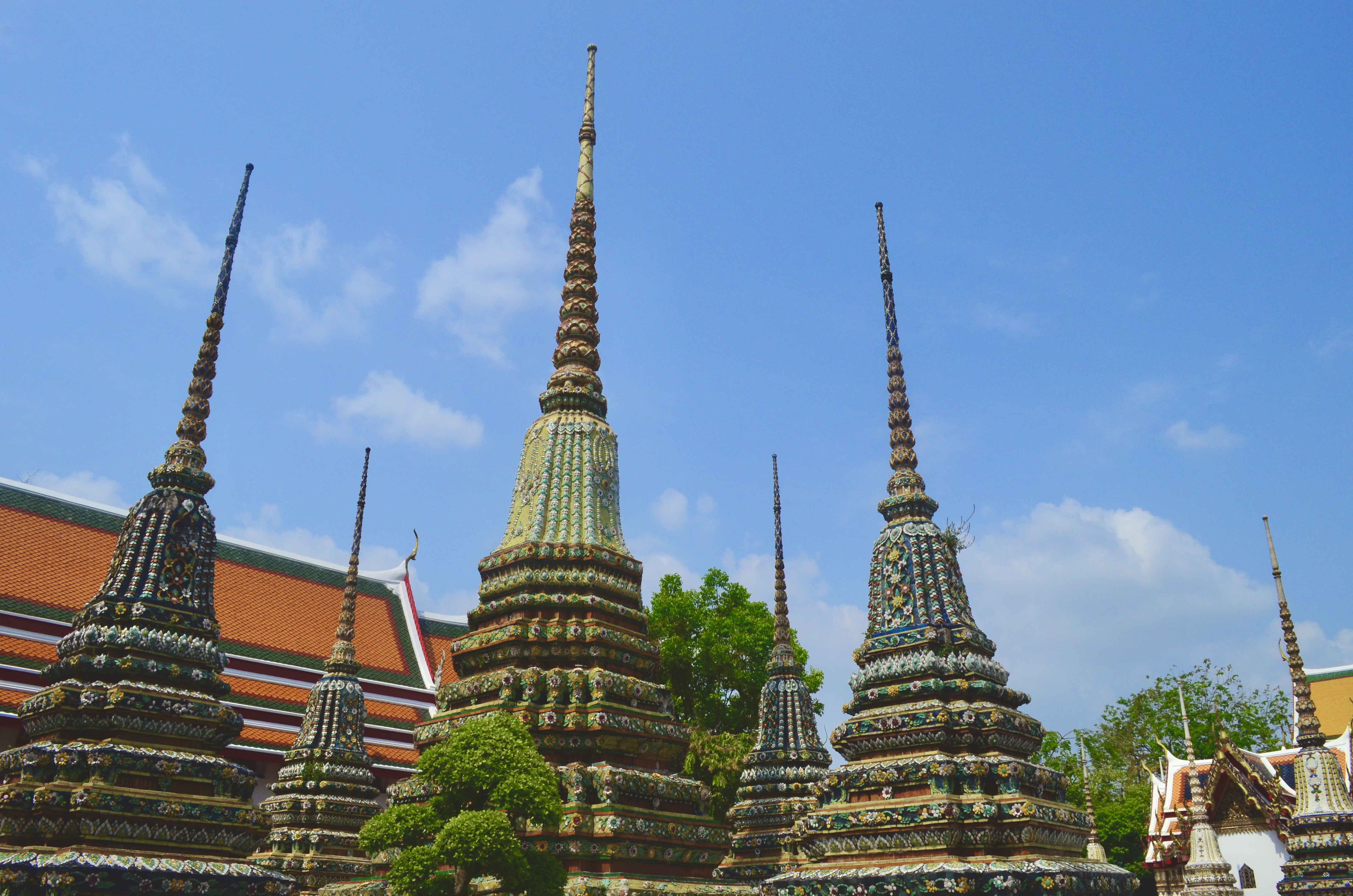
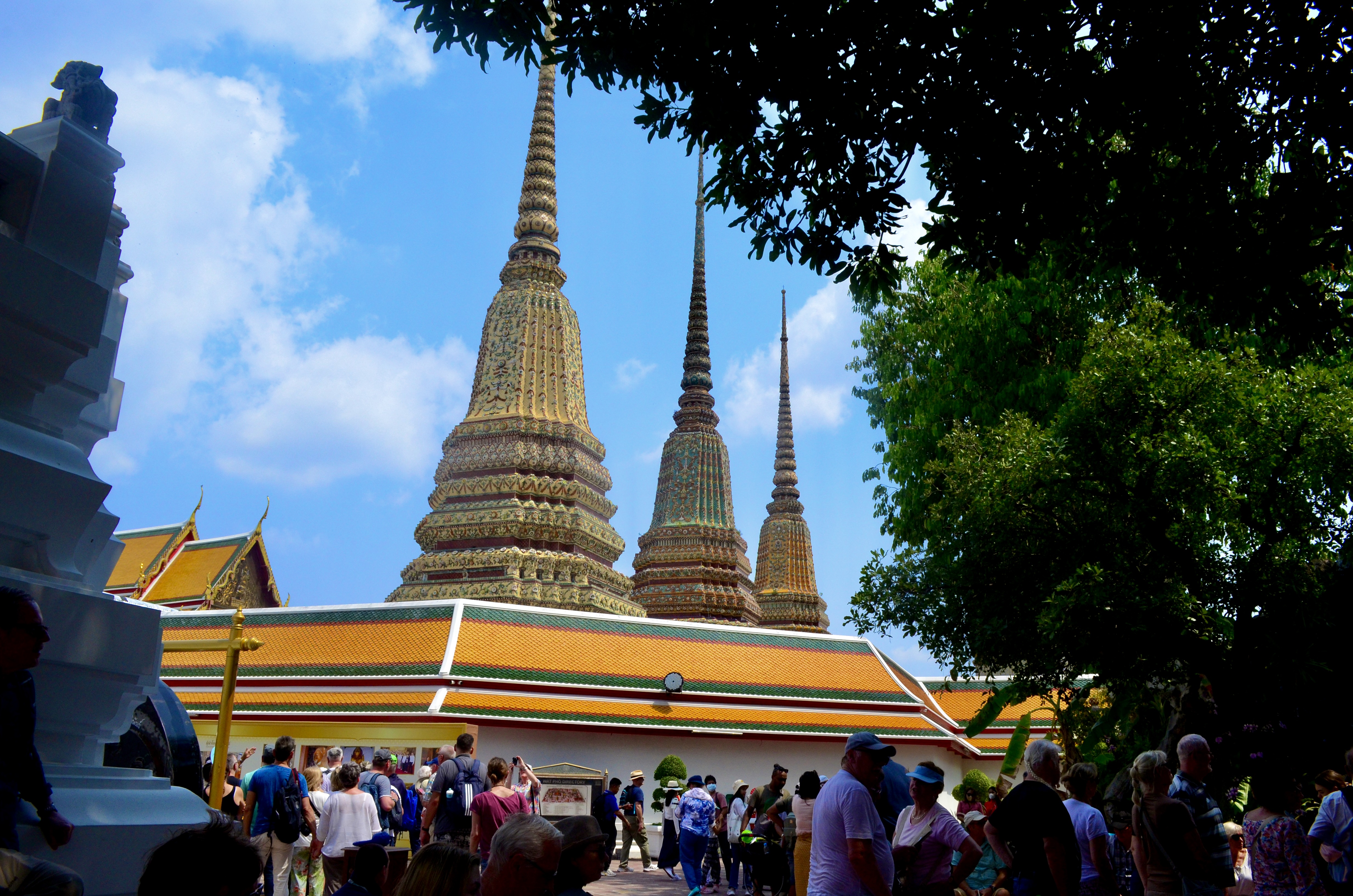
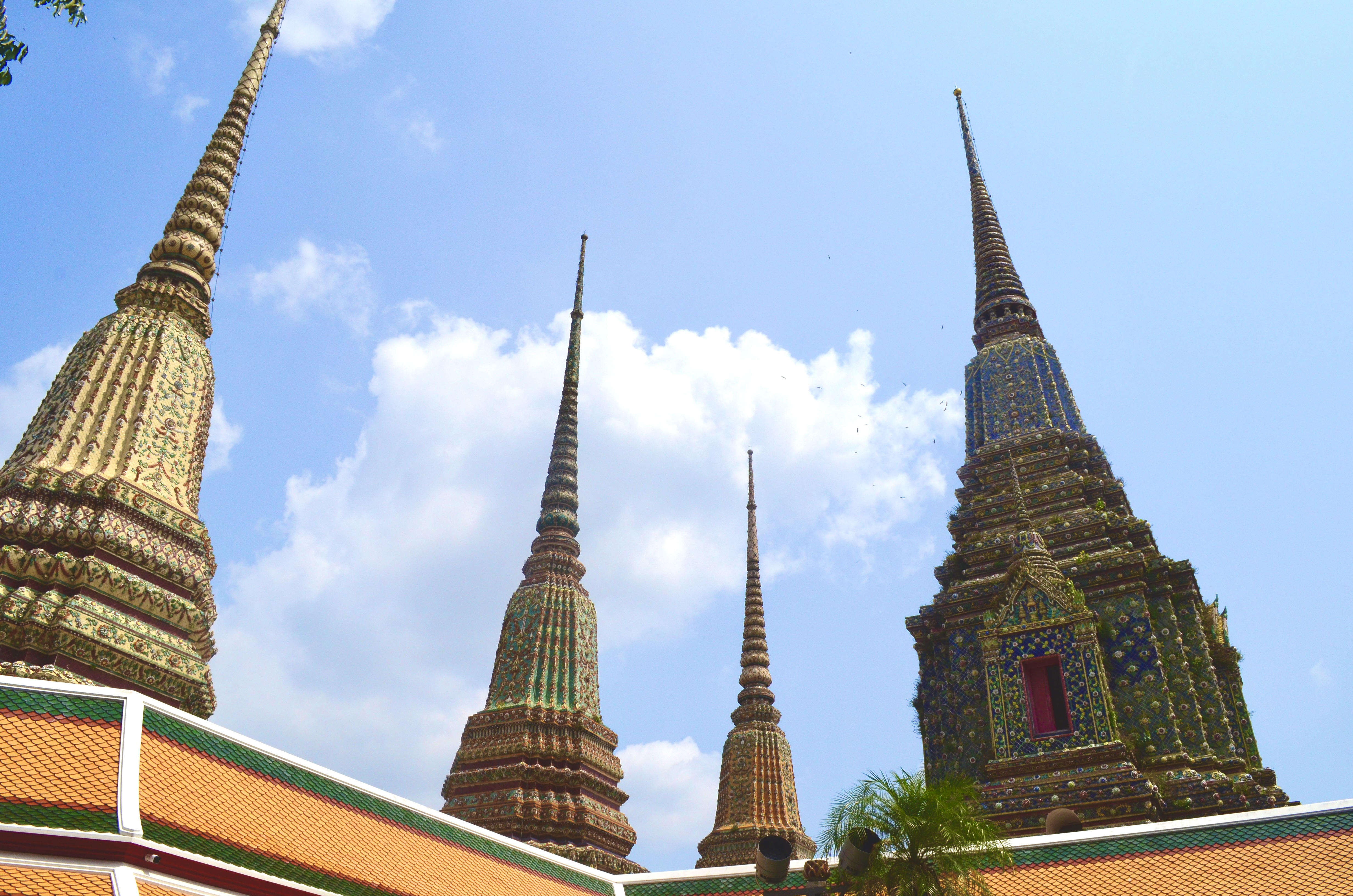
The temple complex of Wat Pho, in particular, is a marvellous showcase of Thai Buddhist architecture. It features stupas (chedis), viharns, courtyards, and gardens, along with intricate murals, decorative glazed tiles, gold embellishments and lacquer work, and Chinese-style stone guardian figures.

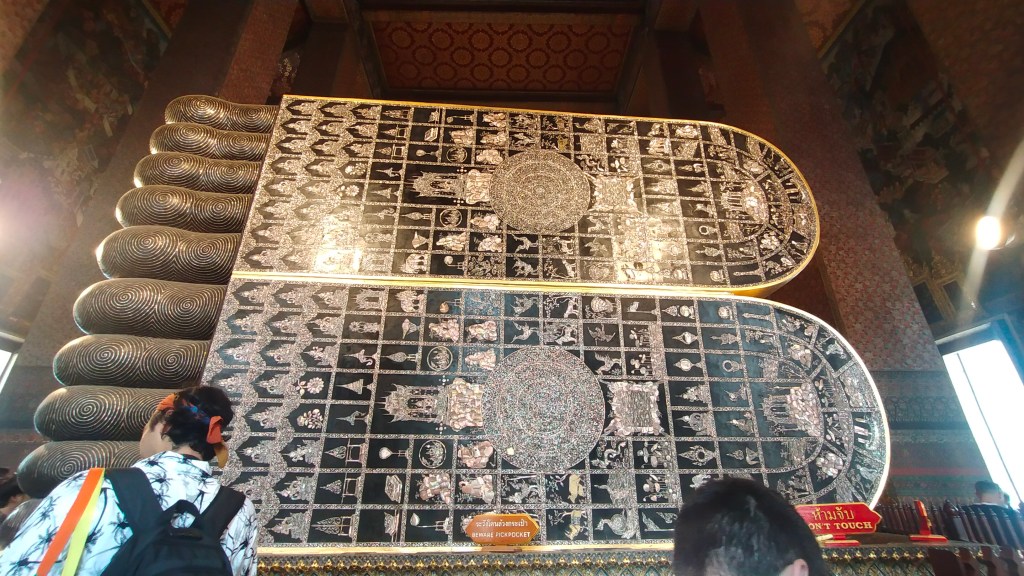
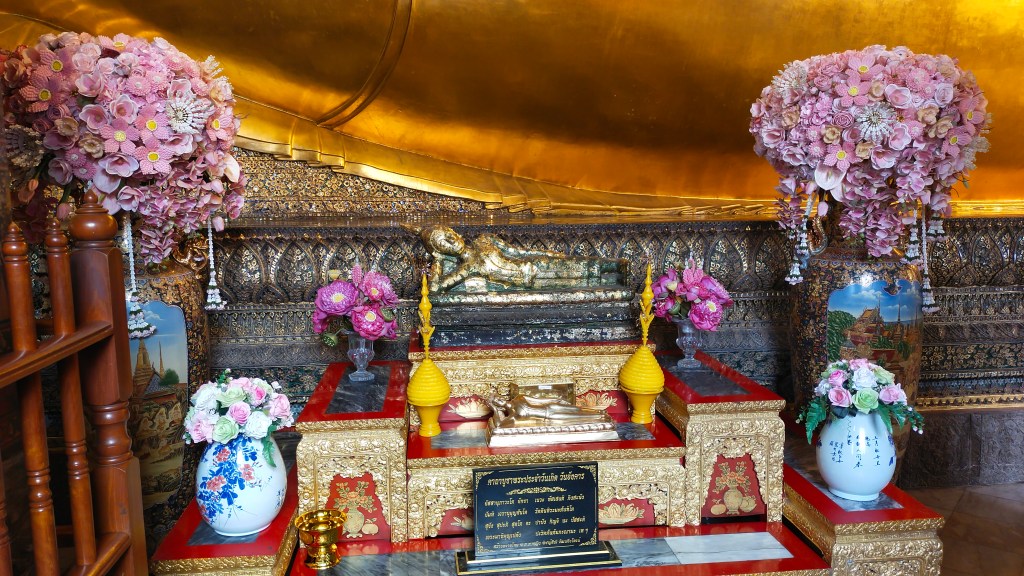
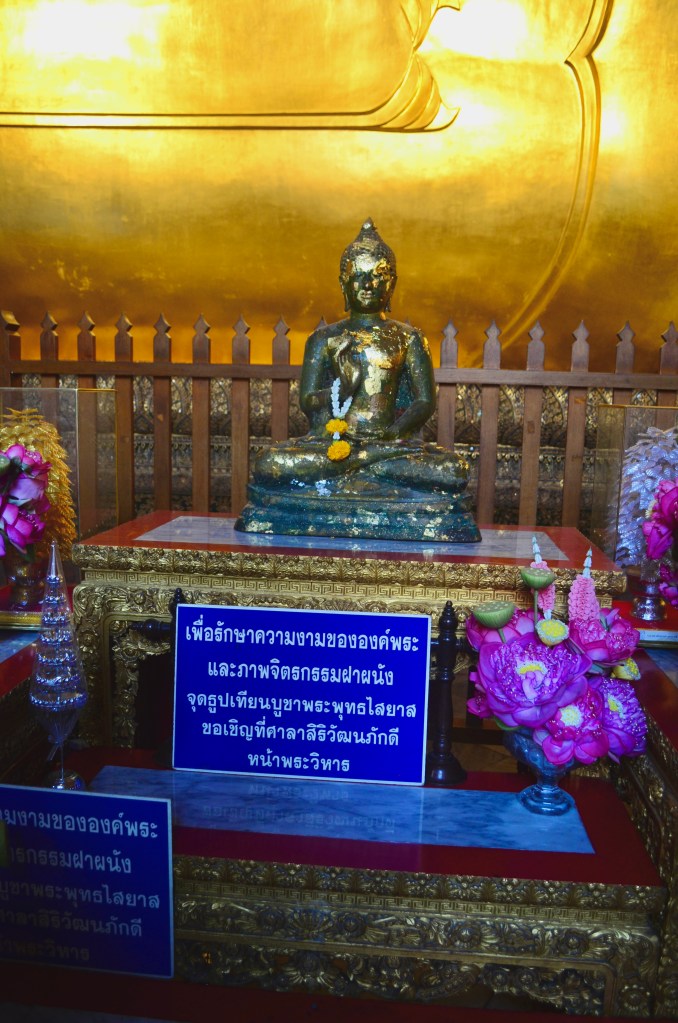
Inside the Viharn (prayer hall), I stood before the grand, gilded statue of the Reclining Buddha.
Those compassionate eyes reminded me of the Maitreya Buddha at Thiksey Monastery in Leh, both bearing a gentle countenance.
As I gazed at the sublime figure, the meditative stillness of his face seemed to reflect in mine, softening my expression.
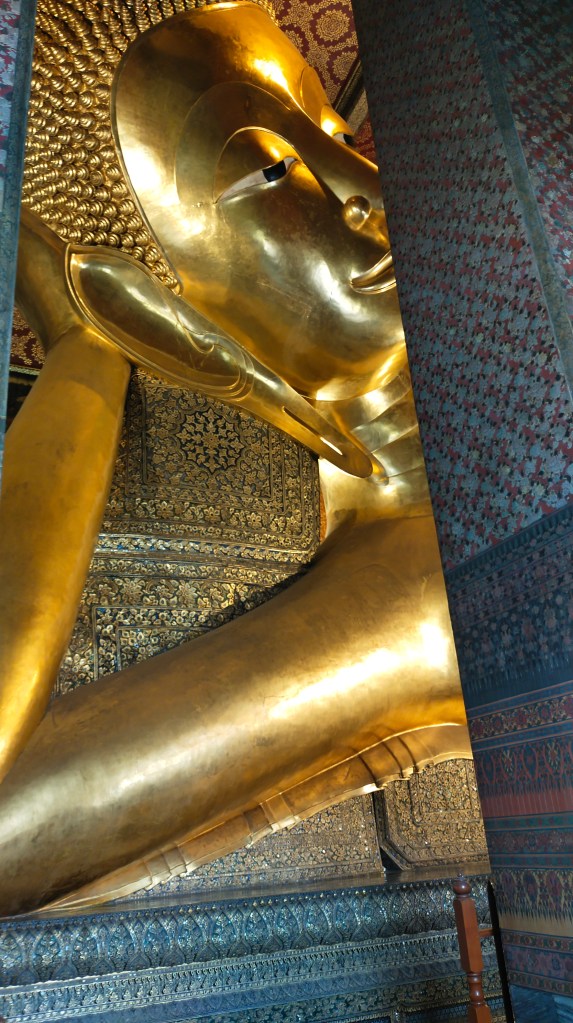
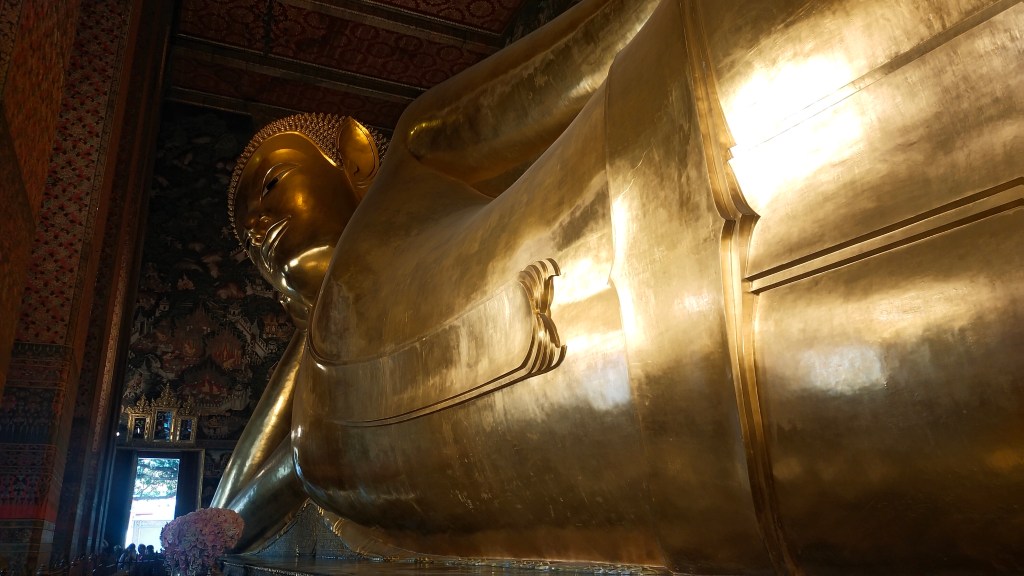
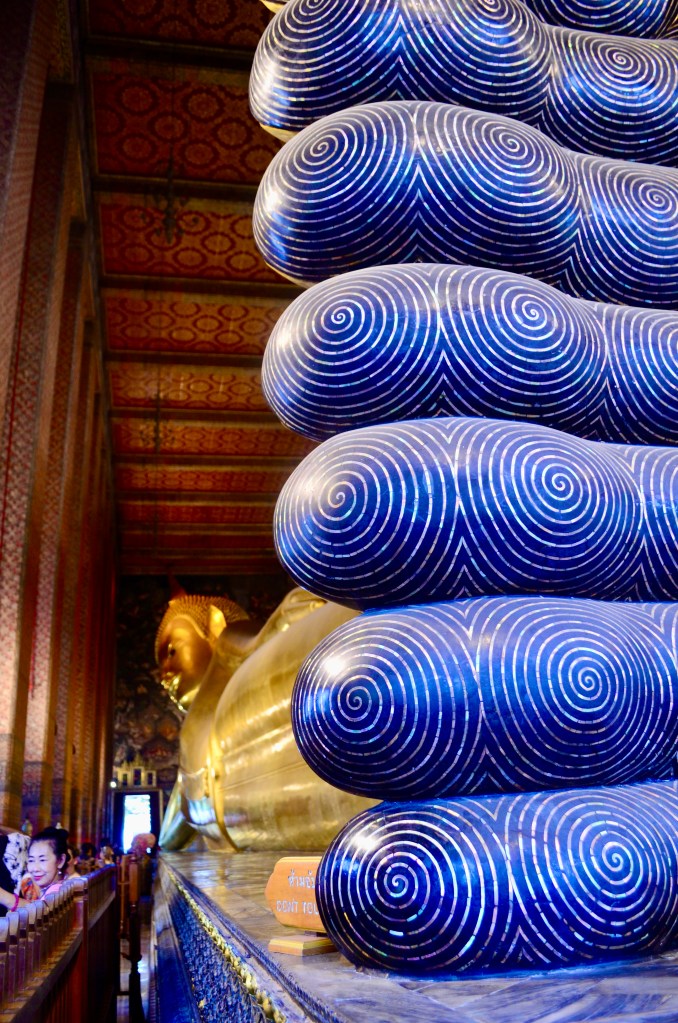
Wat Pho, also known as the Temple of the Reclining Buddha, features the Buddha in a restful posture.
“The Reclining Buddha”.
An image of symbolic significance, it represents his journey into Nirvana––a recurring motif in Buddhist iconography.
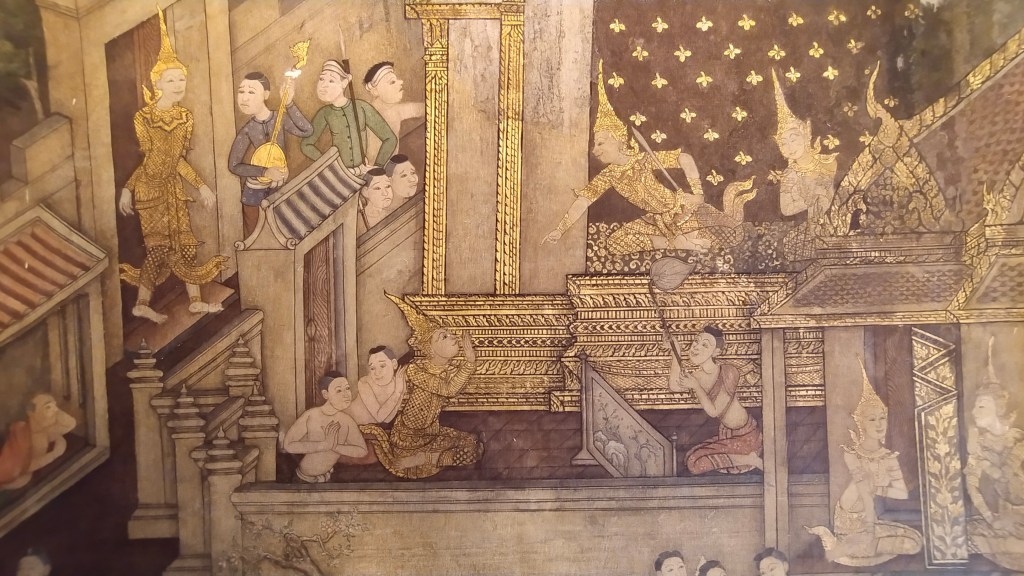
Throughout the temple, images of celestial beings, mythical creatures and Buddhist teachings filled the space.
I was particularly drawn to the murals depicting the Jataka tales––stories of Buddha’s past lives, illustrated through human and animal forms.
Everywhere I looked, beauty revealed itself in the finest details. From the ornate artwork to the floral patterns on windows and doors, to the golden Buddha statuettes––I took it all in, absorbing as much as my mind and soul could.
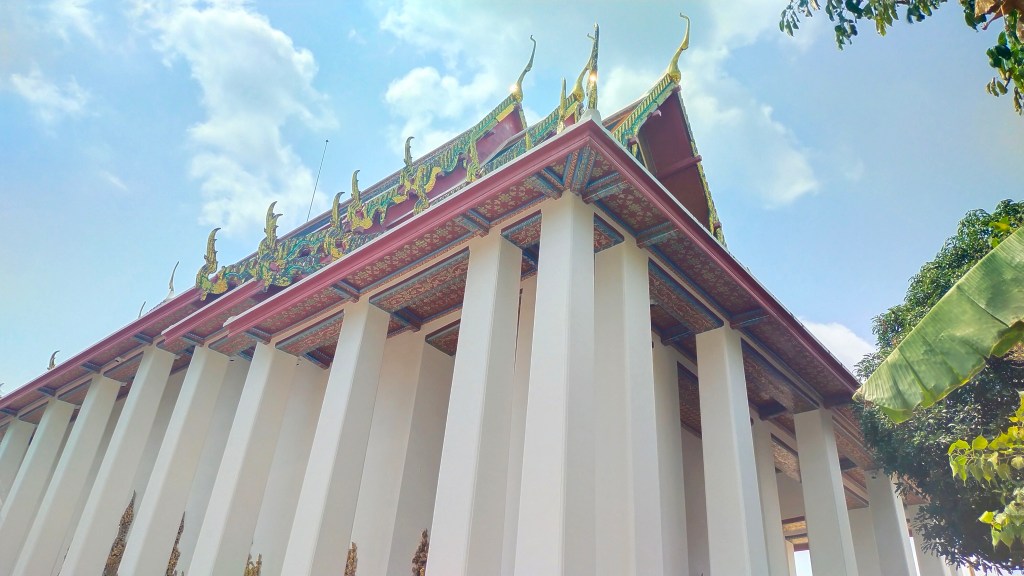
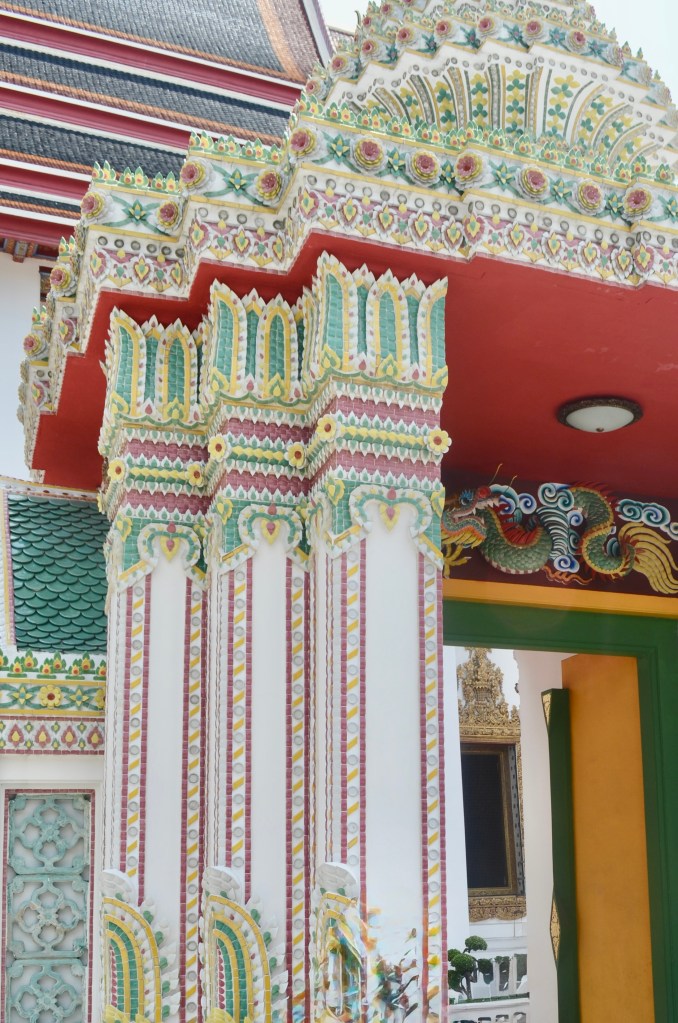
I took one last moment to look up at the majestic figure, offering a silent prayer before continuing to my next stop.
And for posterity’s sake, I will leave you here with a few more photos of the Temple of the Reclining Buddha, or Wat Pho, as commonly known.
Discover more from
Subscribe to get the latest posts sent to your email.
 amritaduorah.com