On a bright day in the middle of summer, we arrived at Old Phuket Town. The weather was blazing hot, and the air felt as dry as a bone. All we needed were glasses of iced tea and lemonade to cool off. I glanced at my watch; it was only half past nine in the morning. The cafés were closed, and it seemed like there wasn’t much to do at this hour, or so we thought.
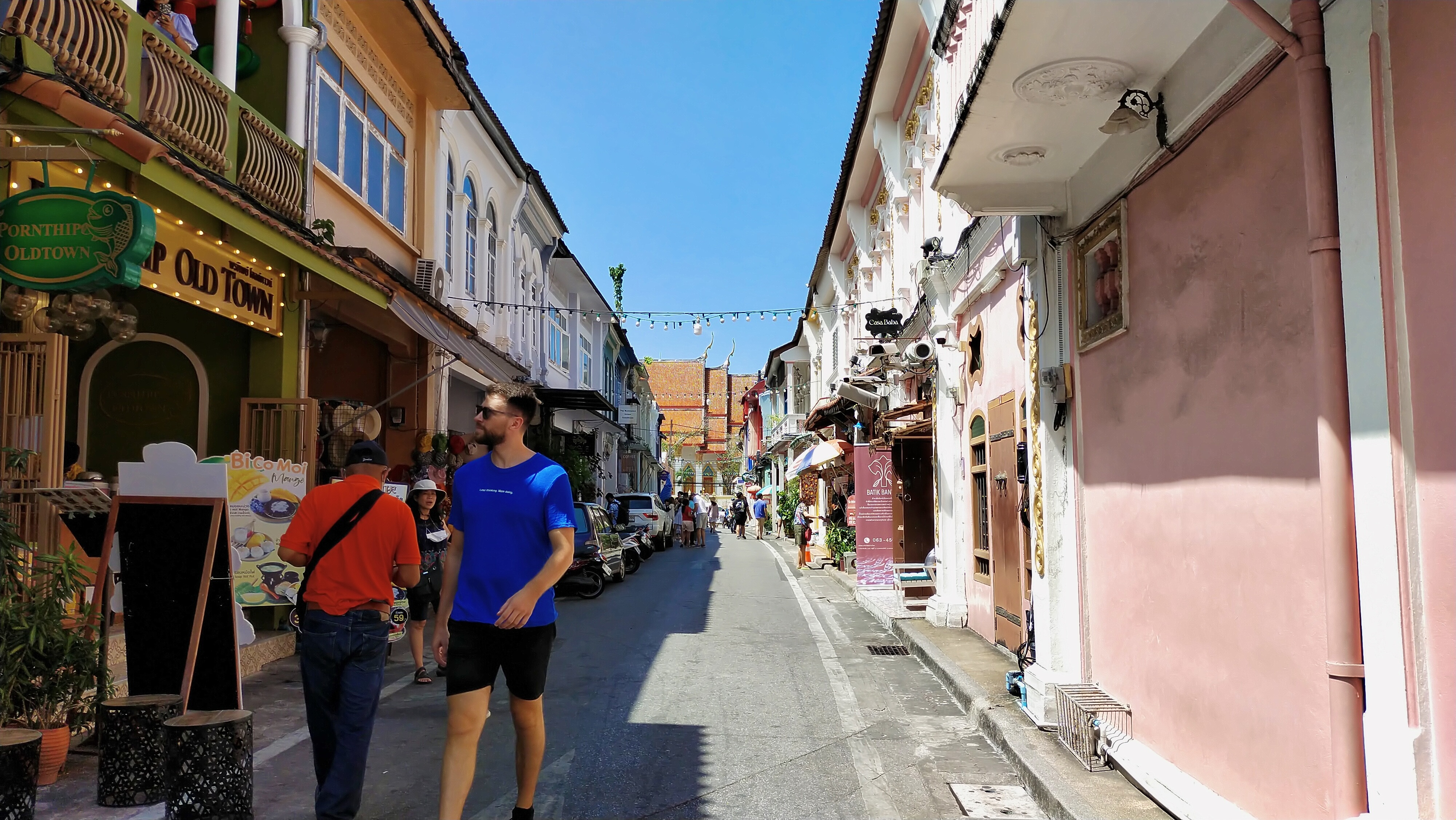
A few moments later, out of nowhere, the streets burst into chaos, commotion, and bustling energy, all at once. Tourists swarmed the entire neighborhood, walking from door to door, stopping by the shops, boutiques, and souvenir stores that lined along the lanes of Old Town. The shopkeepers appeared busy too, happily bargaining with the customers. Cafes and coffeehouses with artsy interiors were an absolute attraction. They were everywhere, thriving and filling up quickly, and demanded a quick visit from the passersby.
Meanwhile, locals went about their day, flocking to nearby eateries to enjoy their first meal of rice bowls and noodles, dipped in their choice of curries. Old and young sat outside on wooden benches, some in groups, and a few on their own, eating heartily and to their utmost content.
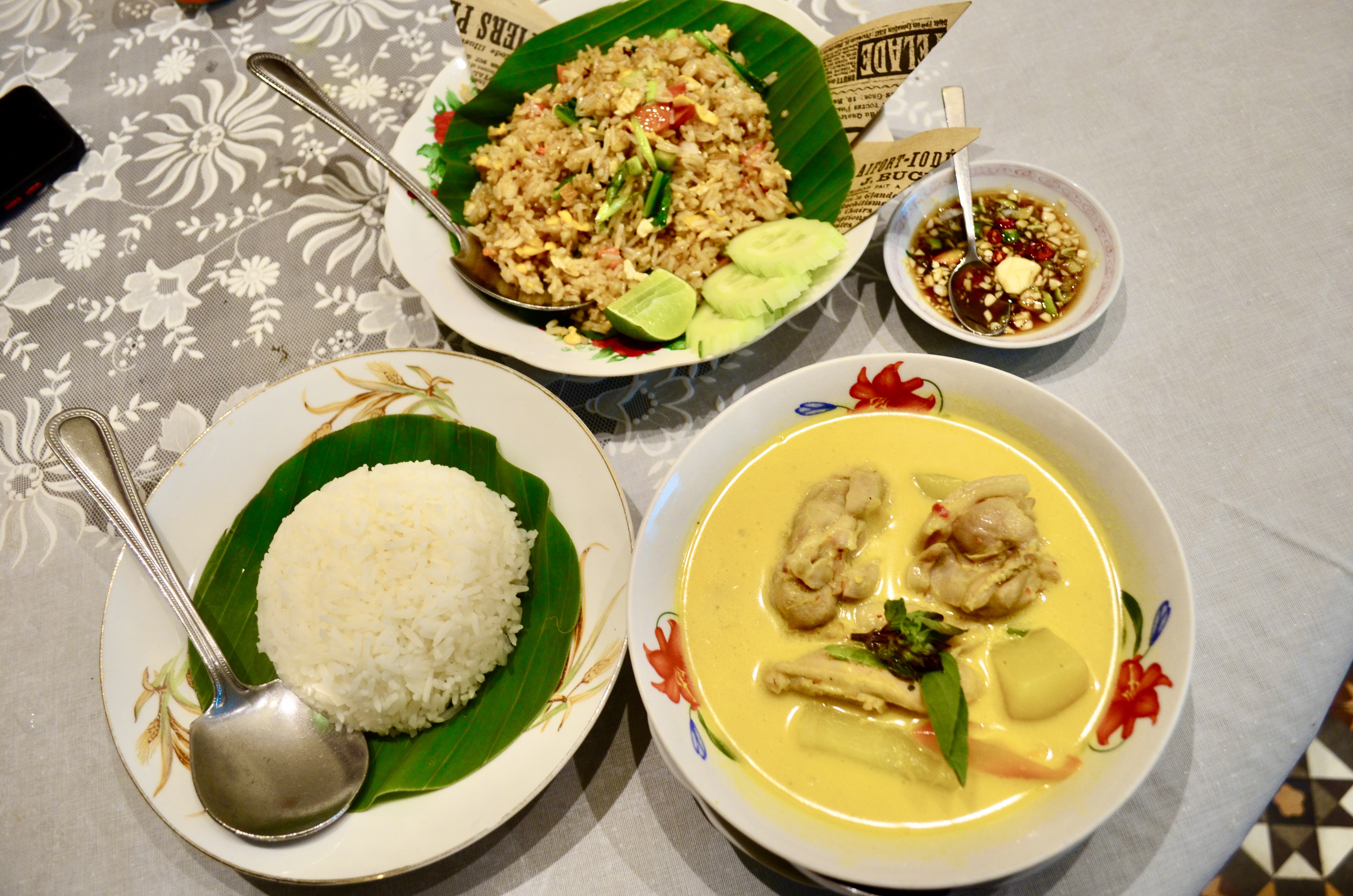
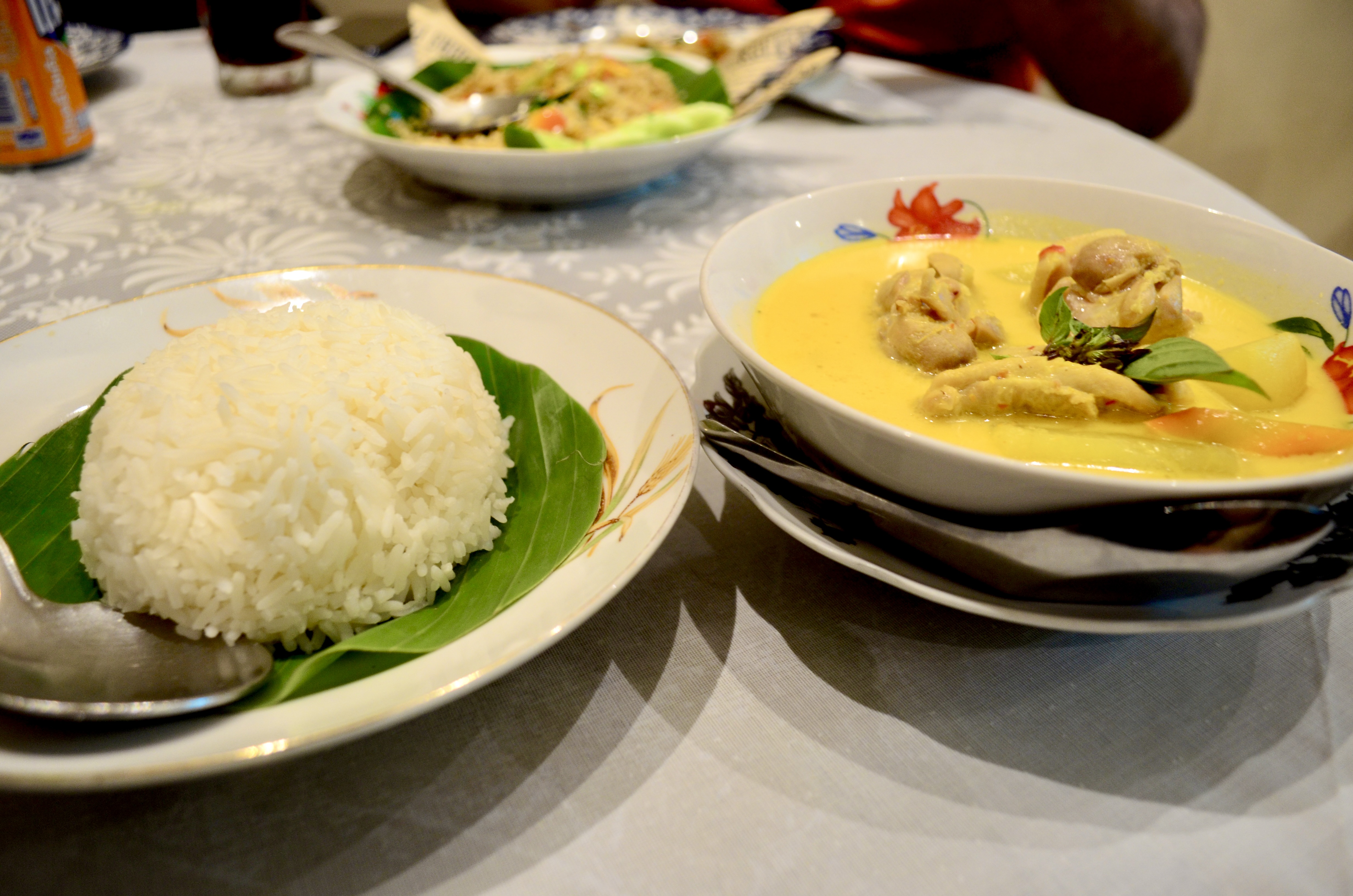
As I walked through the alleys, a familiar aroma wafted from the kitchens of neighborhood restaurants. The wholesome stews and curries, flavored with indigenous herbs and spices, carried a mix of sweet, tangy and nutty scents–evoking a sense of nostalgia of the days spent at granny’s house, savoring all the meals she prepared.
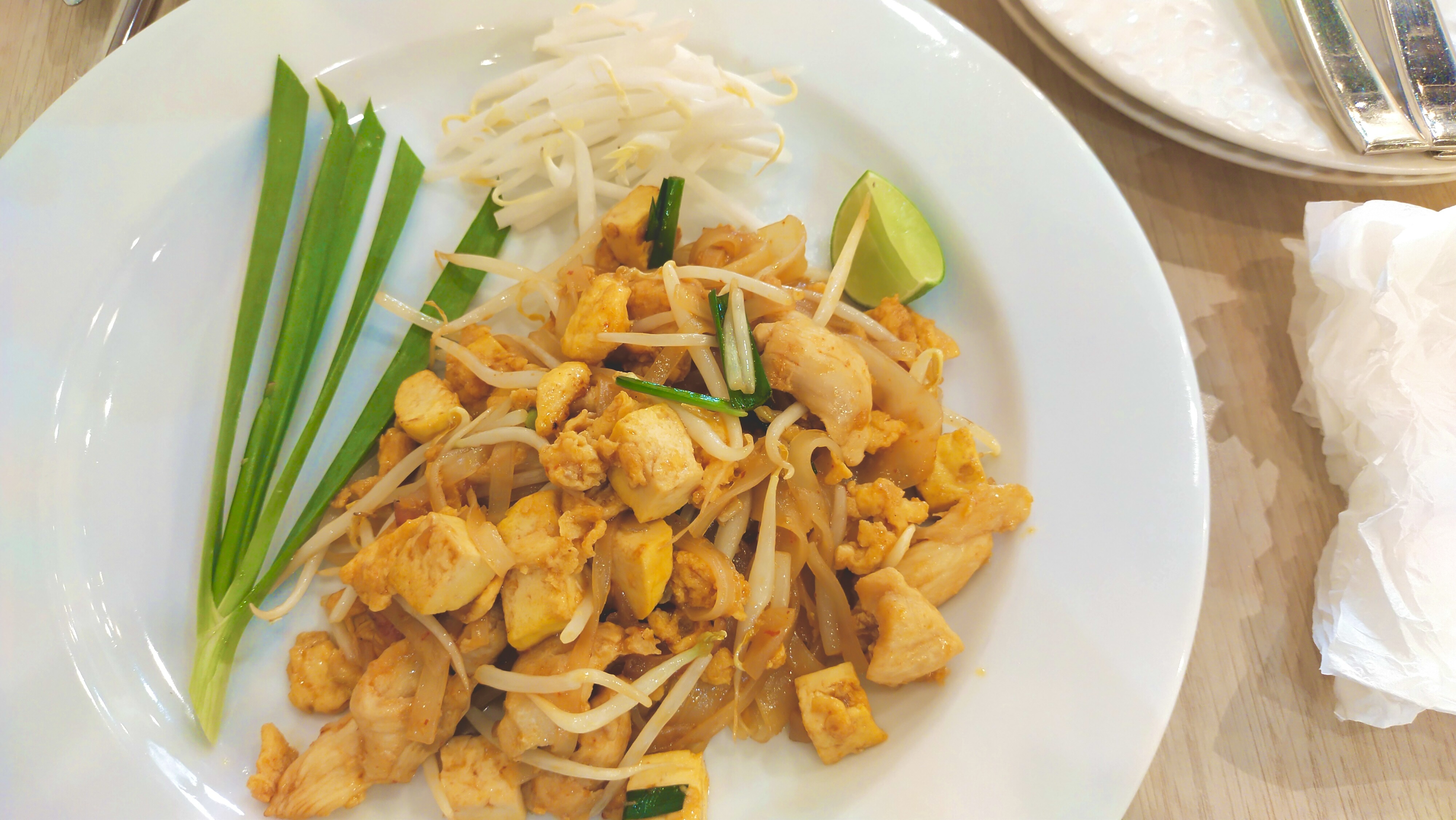
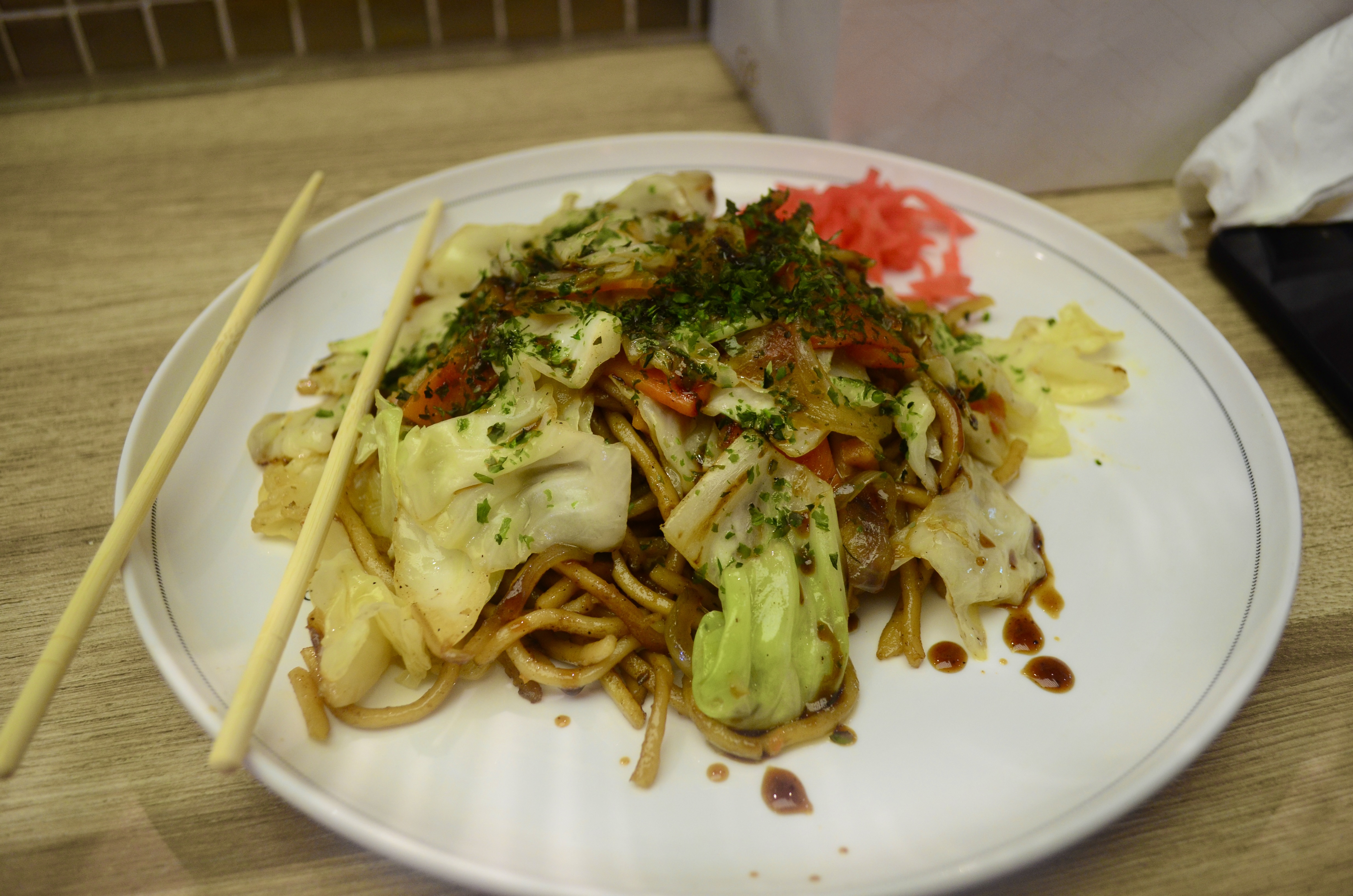
The food scene in Phuket—as much as it is remarkable in both palate and popularity—is a melting pot of cultures spanning China, Malaysia, Indonesia, India and Persia. Diverse communities that settled on this land for generations have steadily influenced the culinary traditions of the Southern Thailand province. Whether it’s the more popular Pad Thai, Khao Pad, or the classic Hokkien mee (a noodle dish with its origins in China), Phuket’s cuisine is a testament to the amazing culinary fusion and its impact on the flavors.
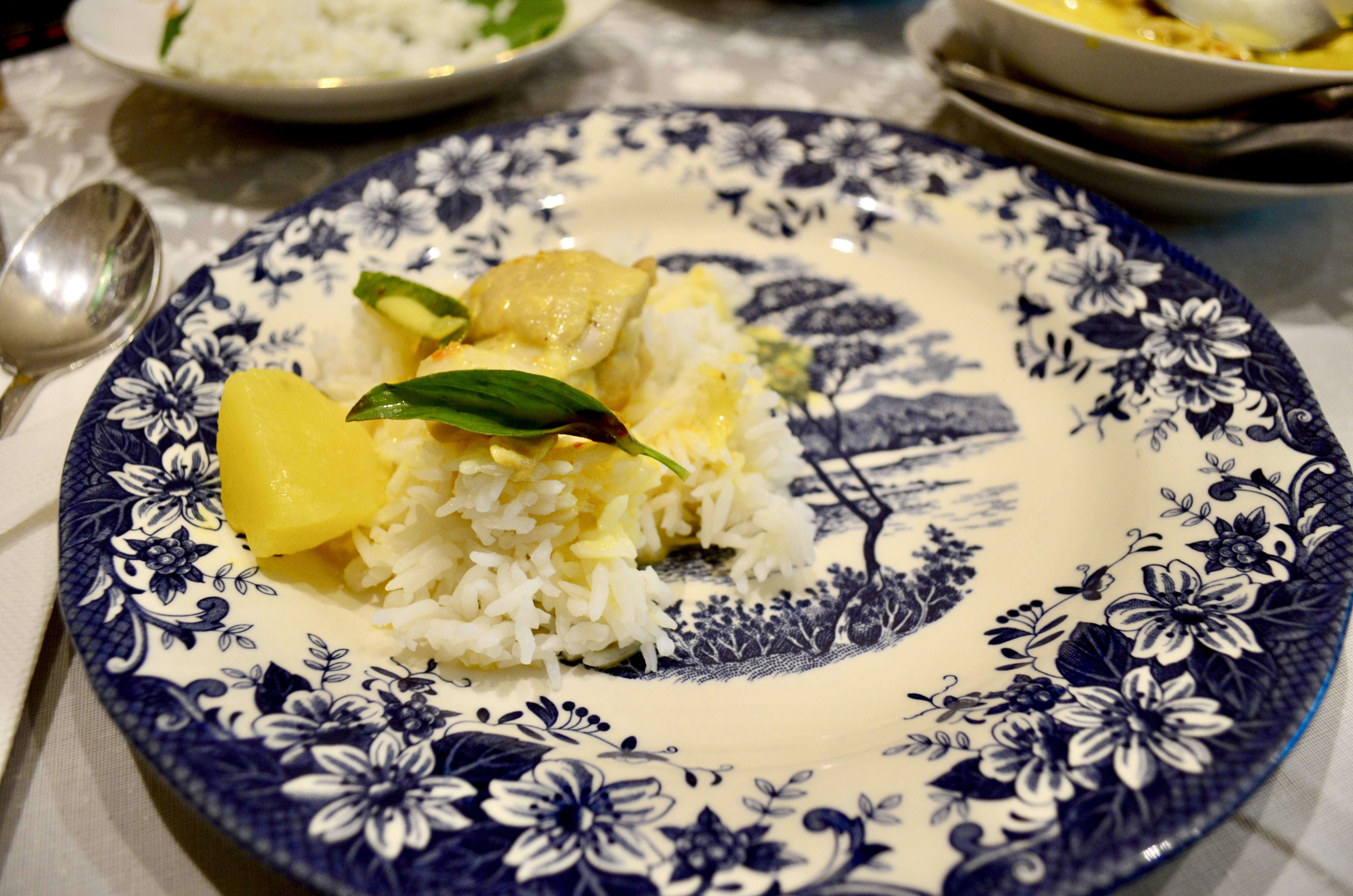
Yet another central feature of its cuisine is the Thai Green curry, a purely scrumptious and mouth-watering dish that perfectly complements your bowl of rice. Perhaps, the most comforting of all would be the Masamman curry, an elaborate and time-consuming recipe that reveals the perfect umami and gastronomical blend of Malay, Persian and Indian culinary influences.
To put it simply, Thai cuisine—particularly Phuket’s gastronomy—carries the complexity and characteristics of multicultural roots and identities.
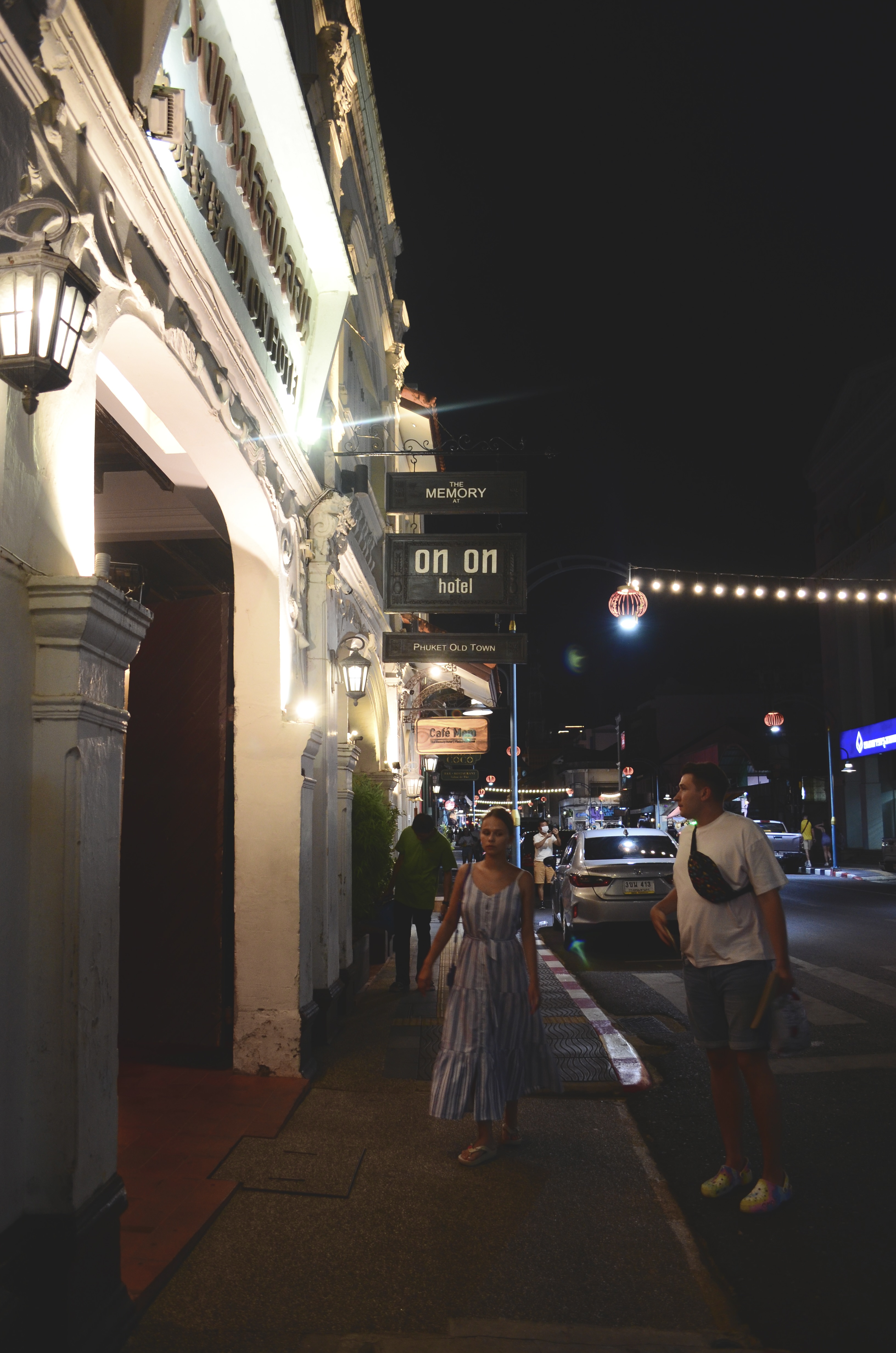
For the next five days, we made Old Phuket Town our pit stop. The best part was that everything was just a stone’s throw away from our bed and breakfast. All the popular coffee shops, breakfast joints, clubs, shophouses, and Instagram-worthy streets and passages were right in the vicinity.
What more could we ask for? We were ready to go out and about and get to know this place better.
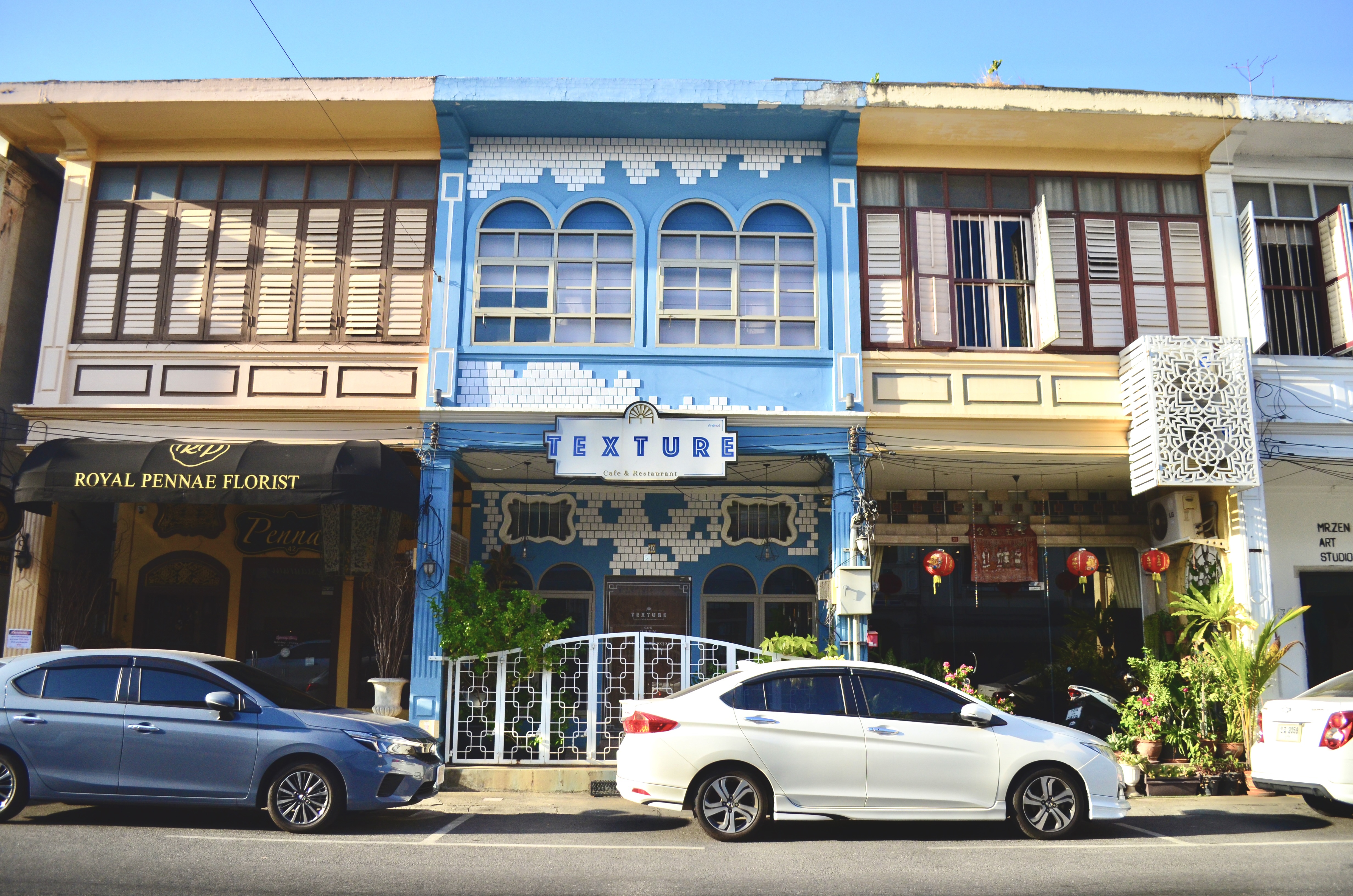
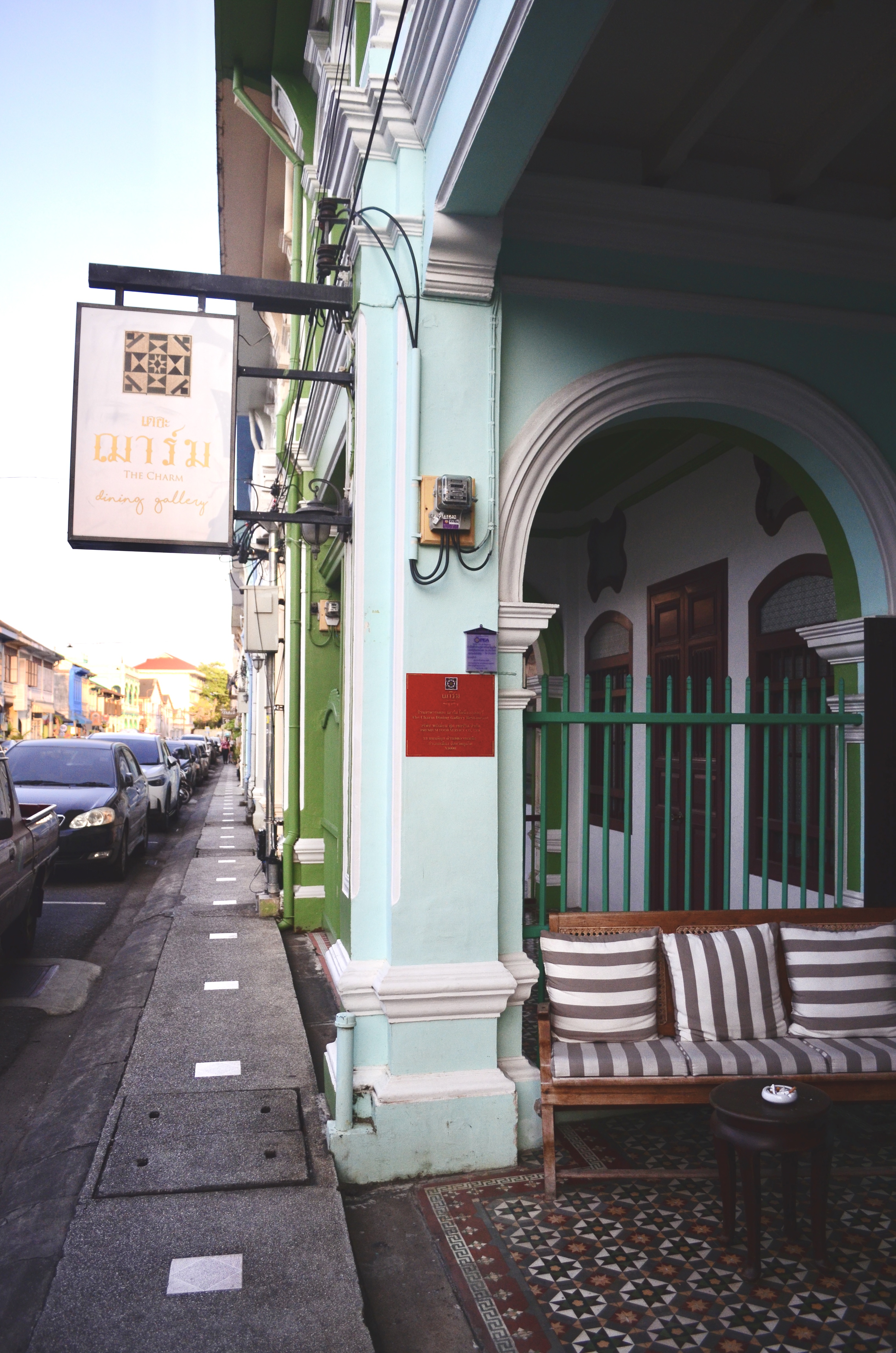
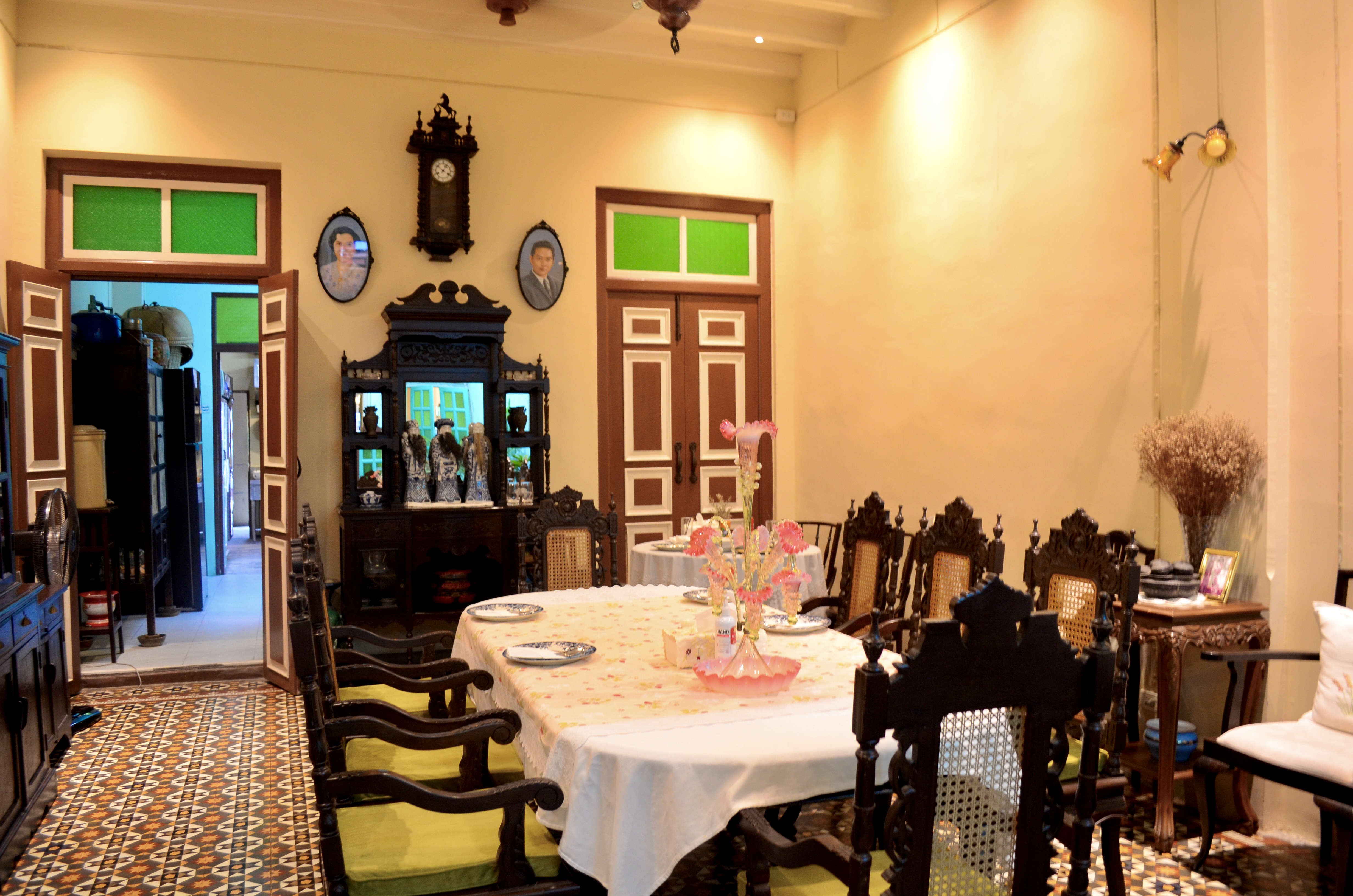
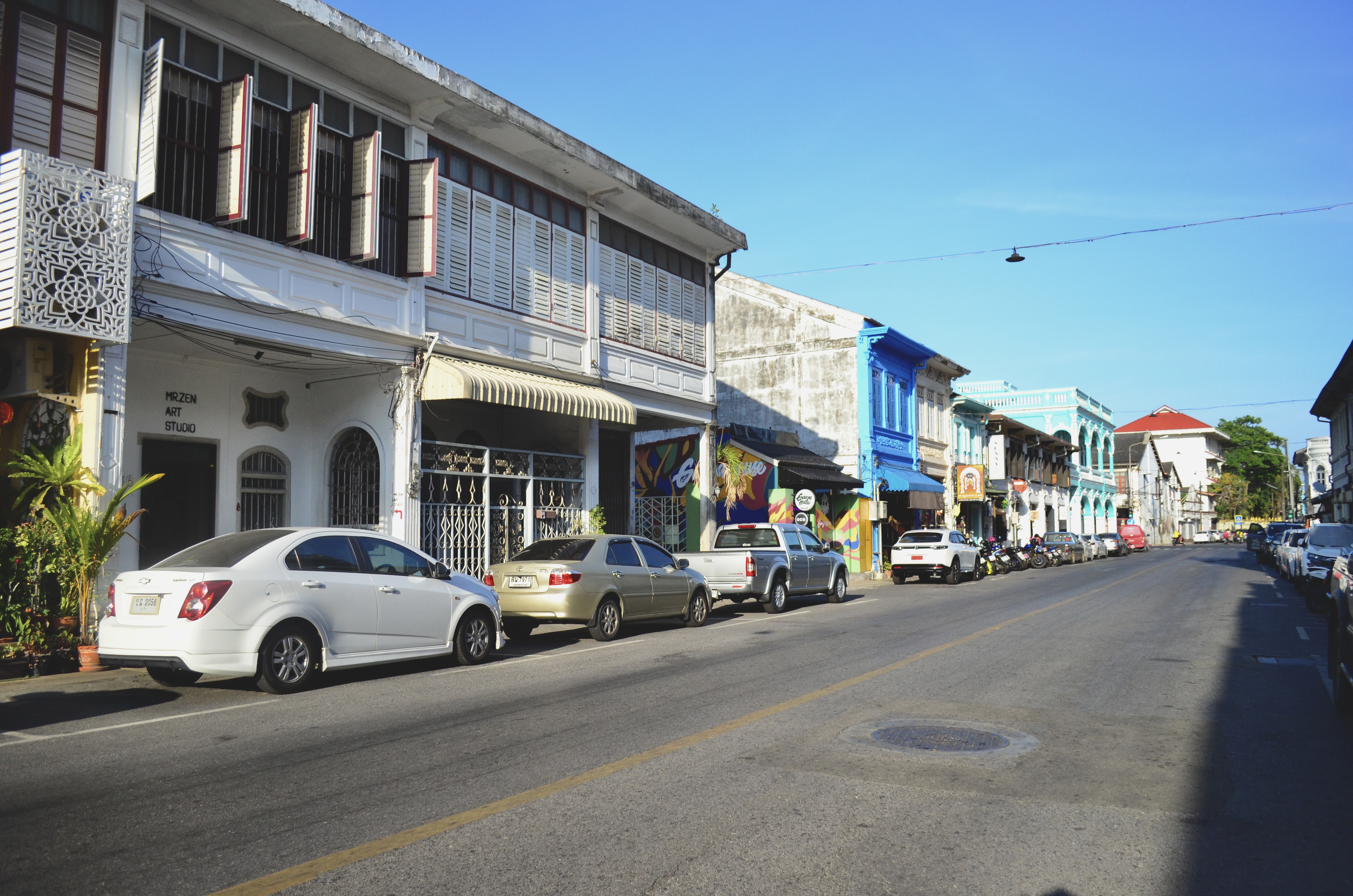
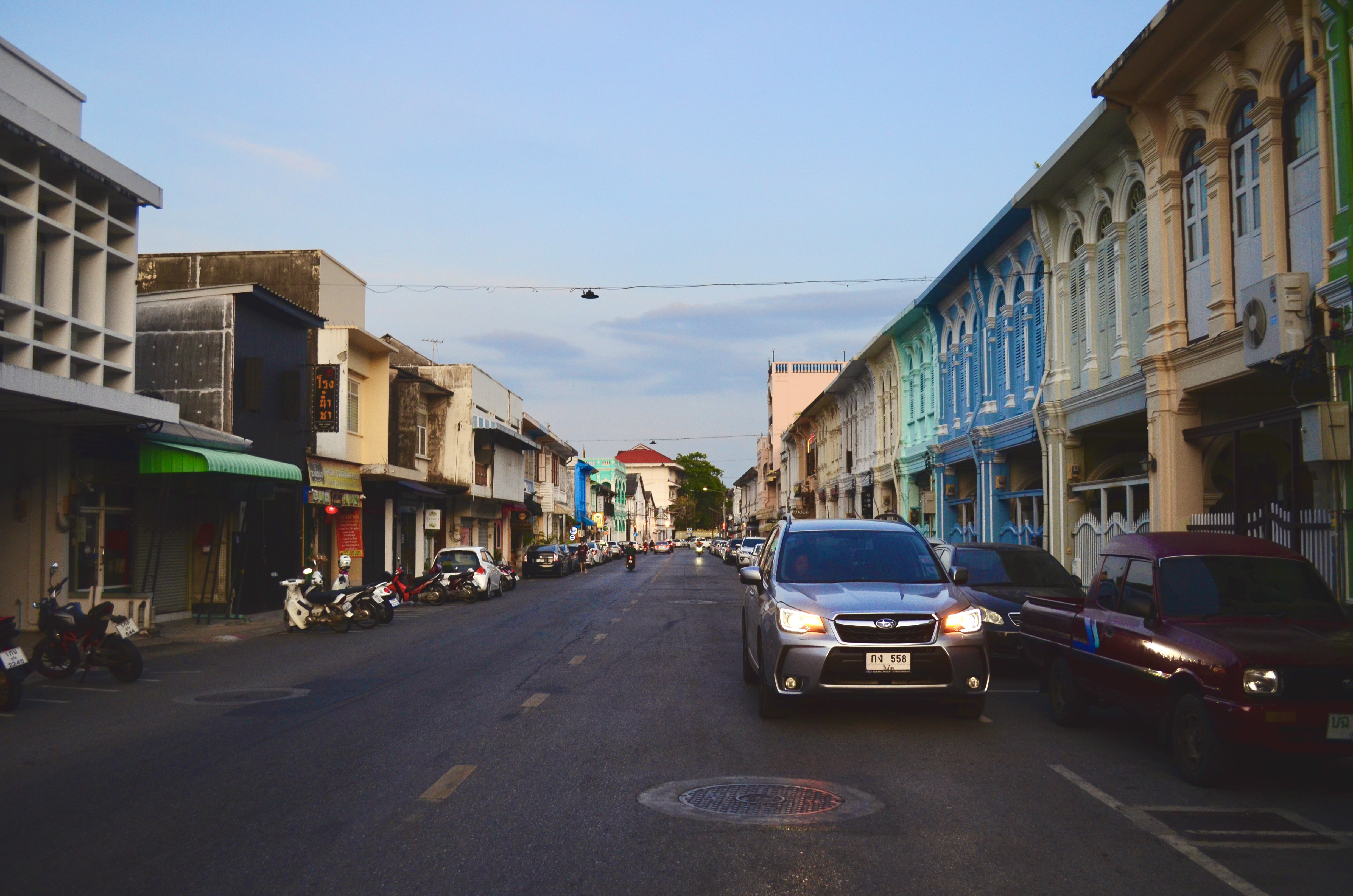
When one talks of Phuket, it is usually about beaches, parties and nightlife. Yet, there is so much to discover. If you will, this side of the city will give you a glimpse into its colonial history and showcase its most vibrant Sino-Portuguese architecture, reflected in distinctive old buildings, shophouses, mansions and museums.
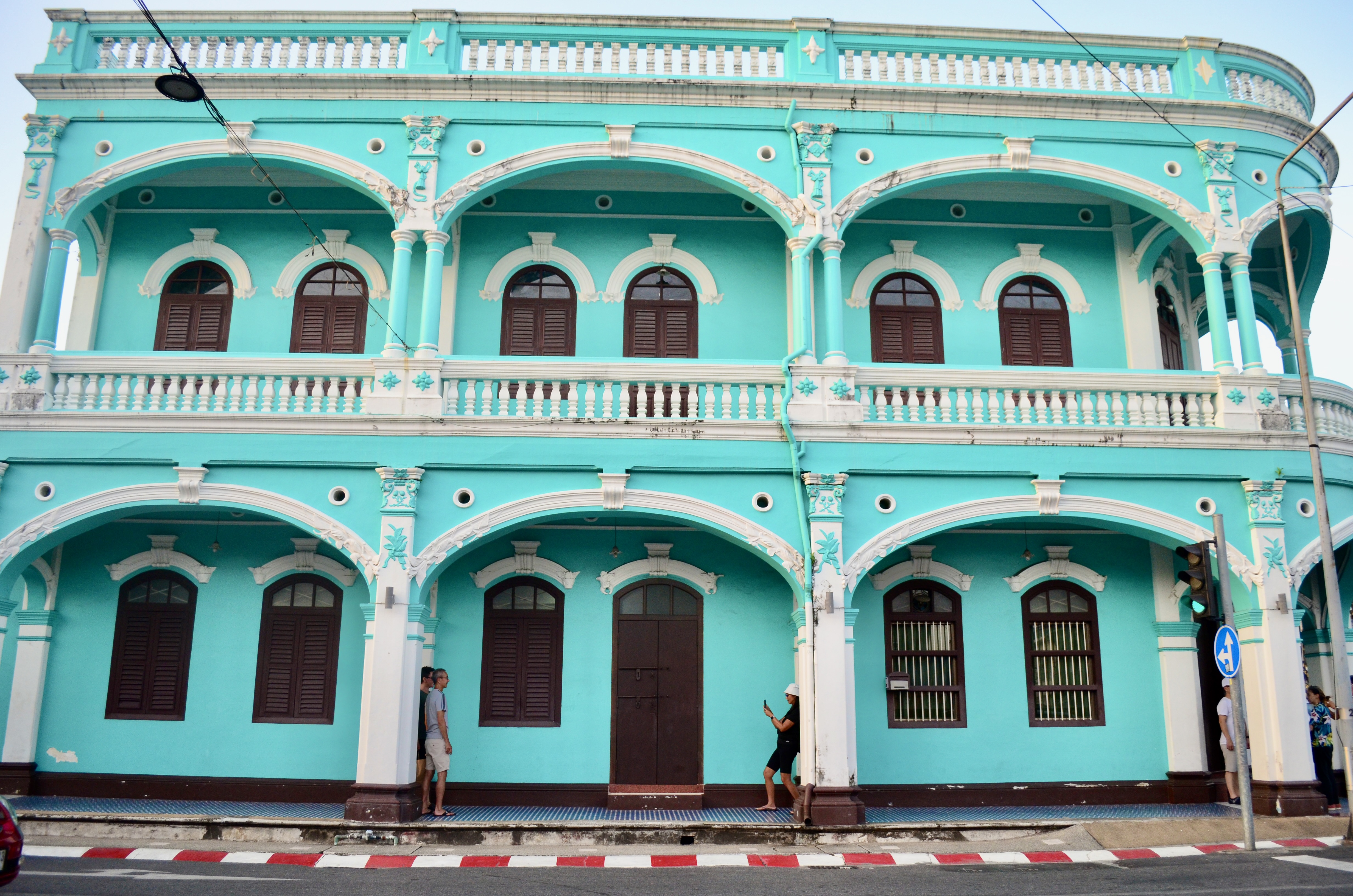
While you enjoy the sight of these historical structures, you must not hurry. Appreciate the little details: the colorful window shutters, intricate wood carvings, wall textures, cornices, columns, and arcades.
Take your time to marvel at the design and building styles signifying the convergence of two architectural philosophies–as the name reflects—of Chinese and Portuguese.
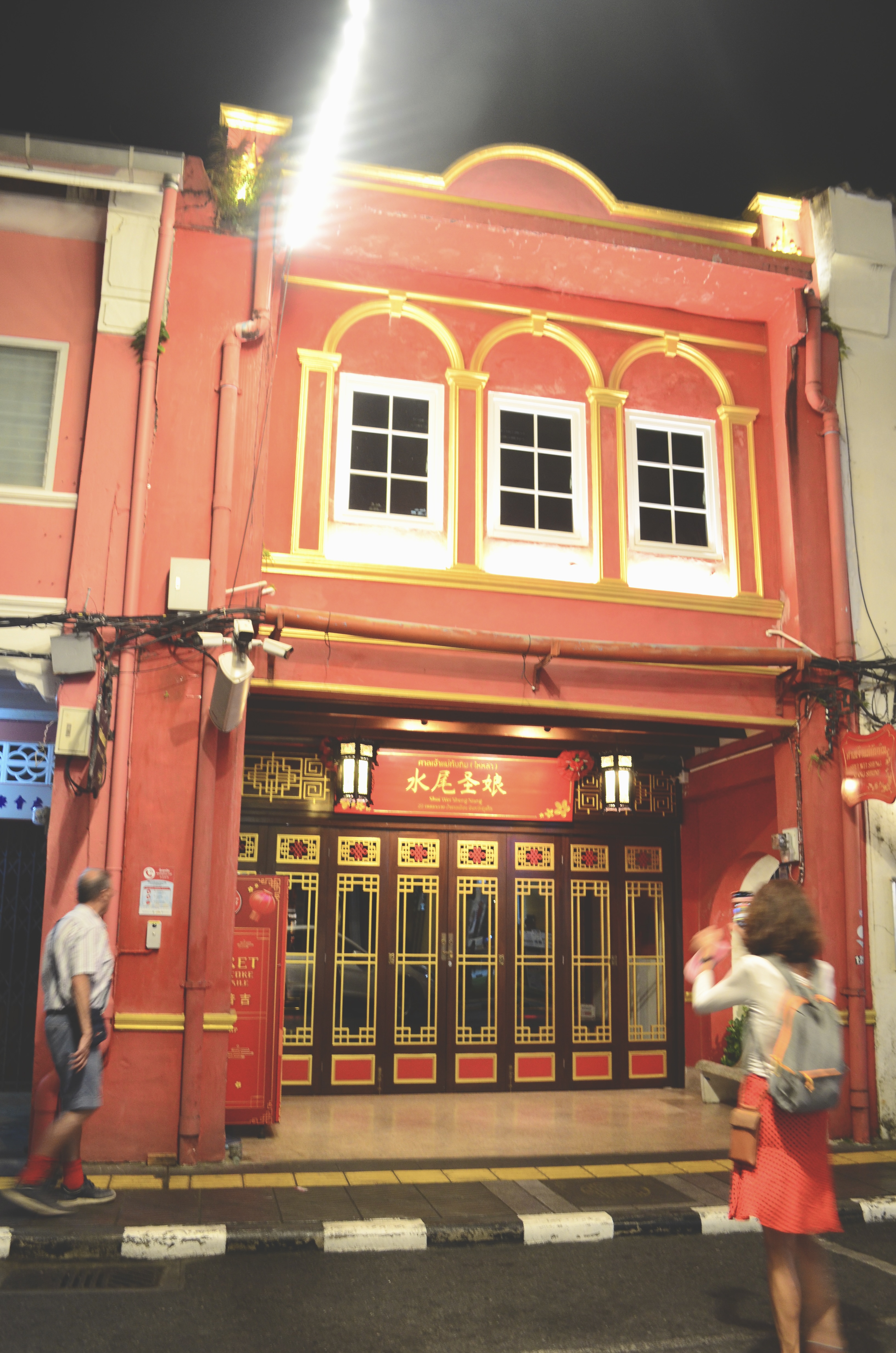

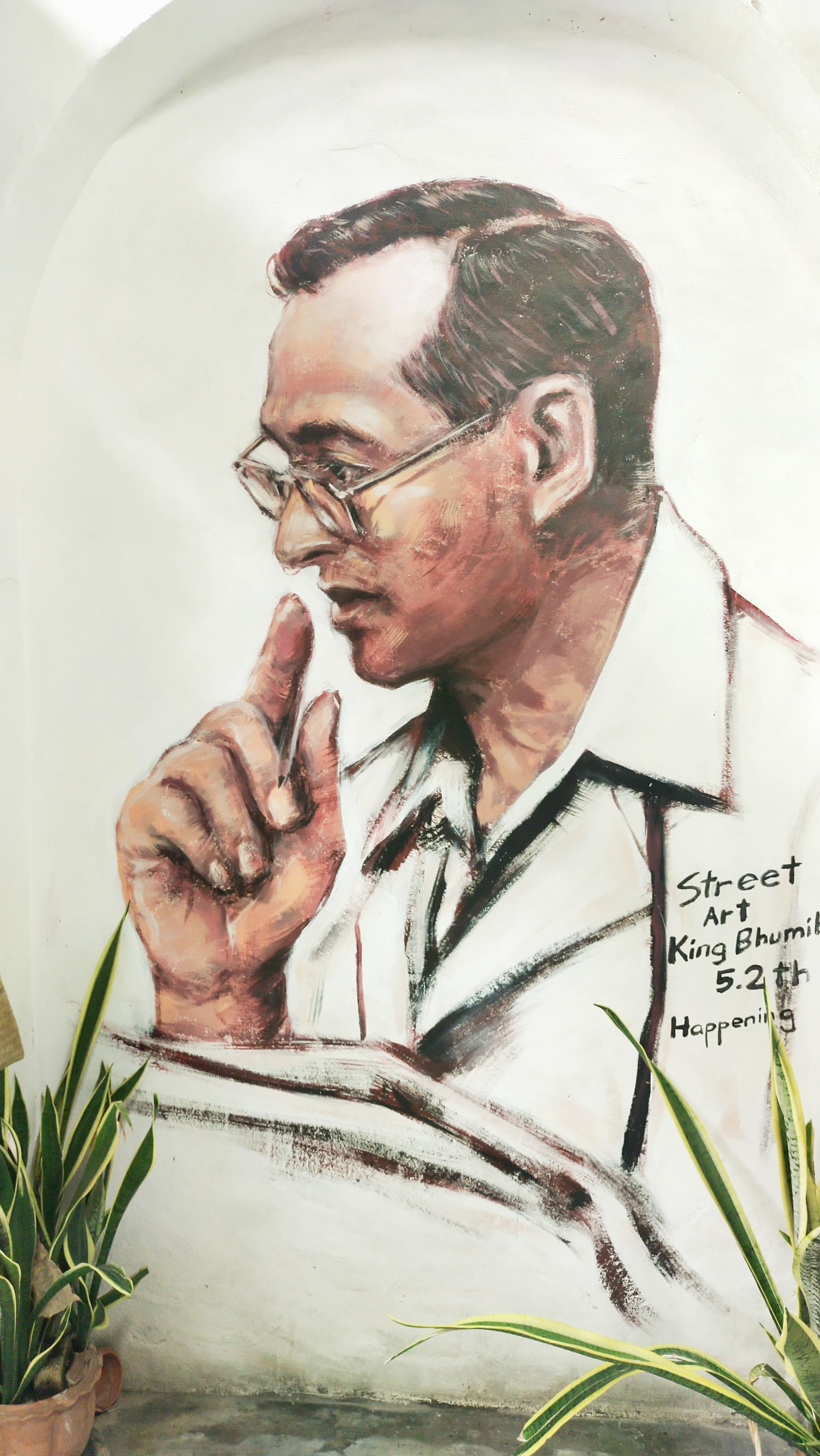
And do plan for a leisurely stroll through the alleys of Old Town. I promise you will love spending your time gazing at the murals and graffiti adorning the street walls.
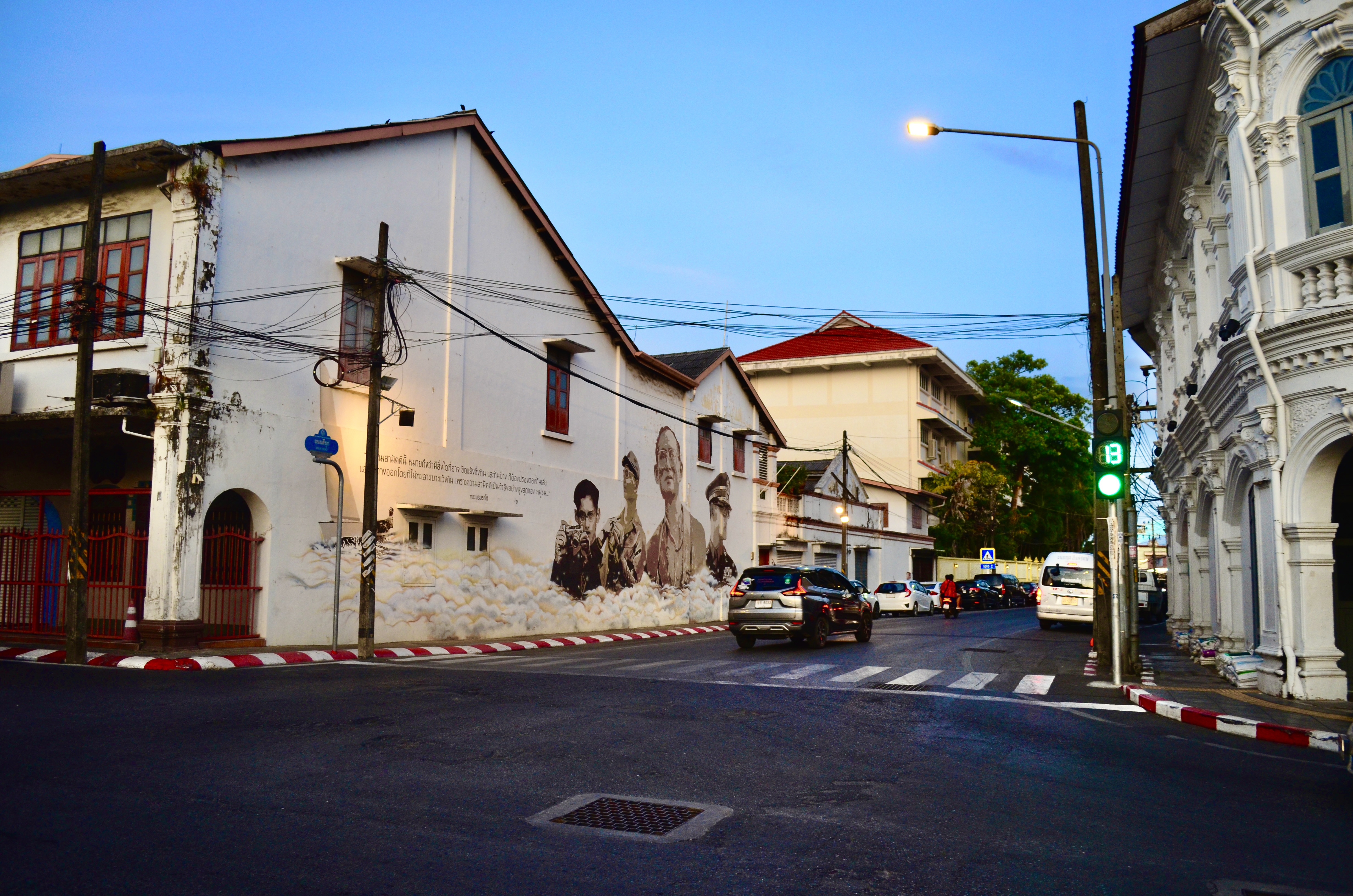
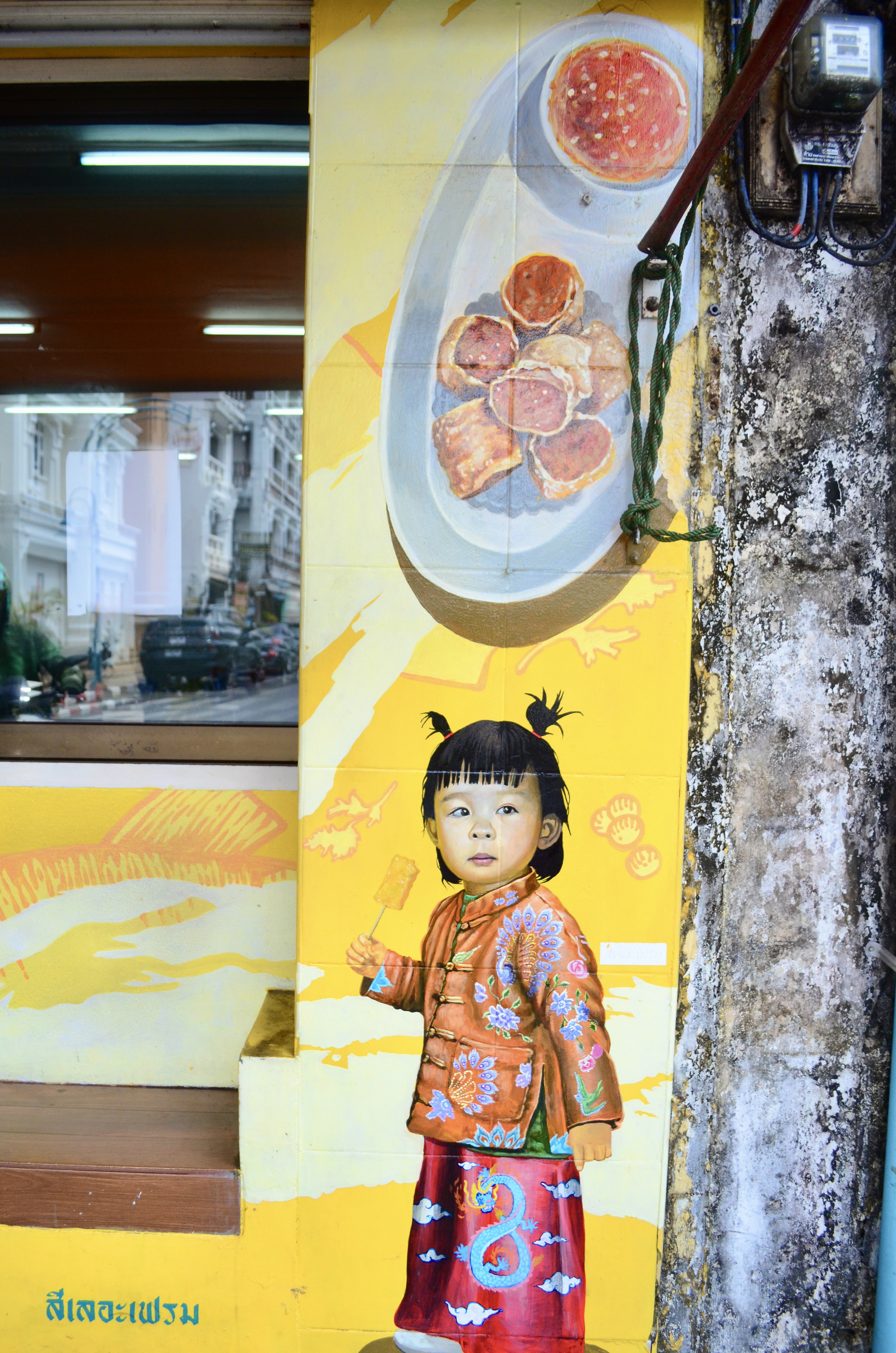
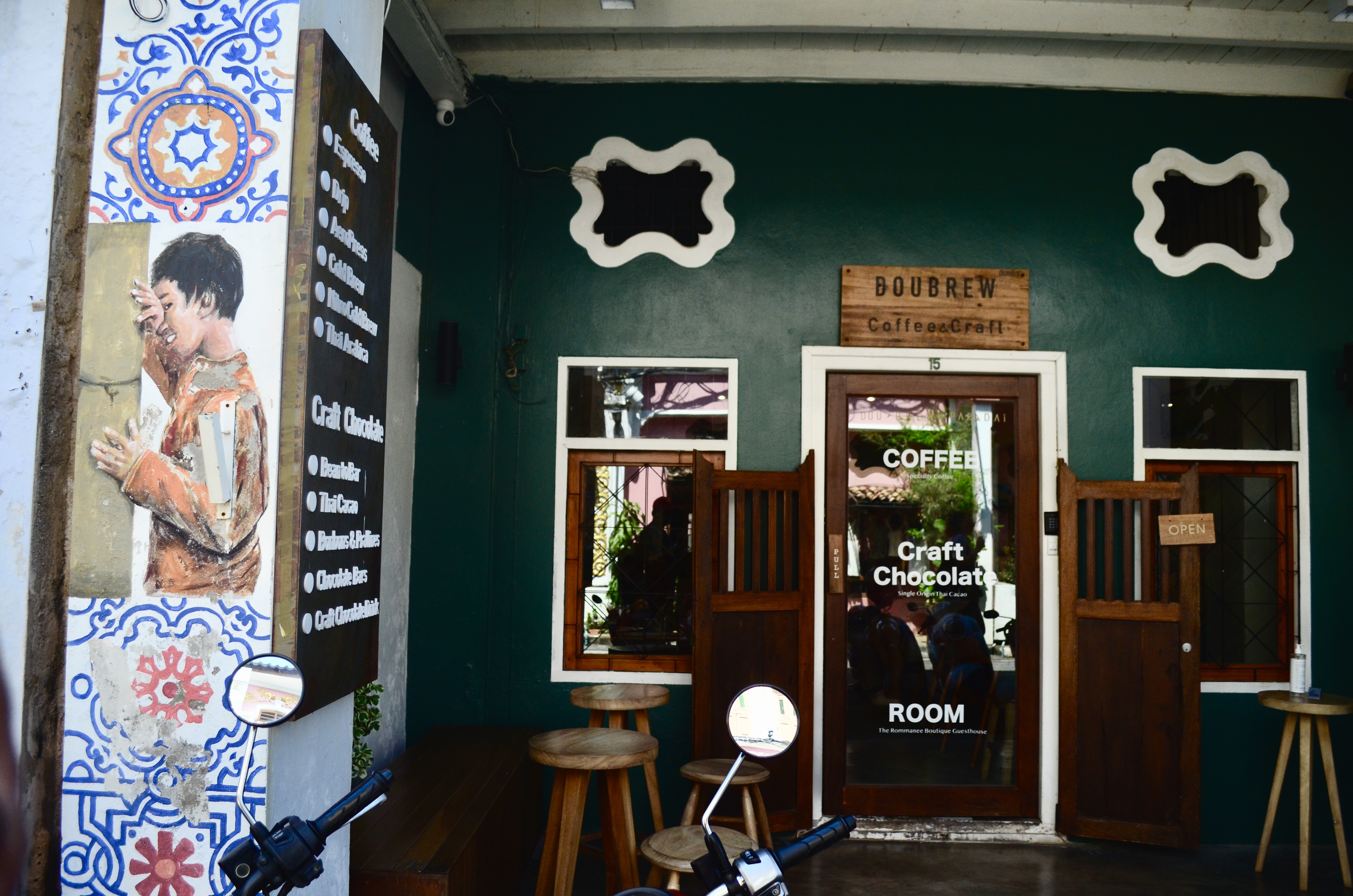
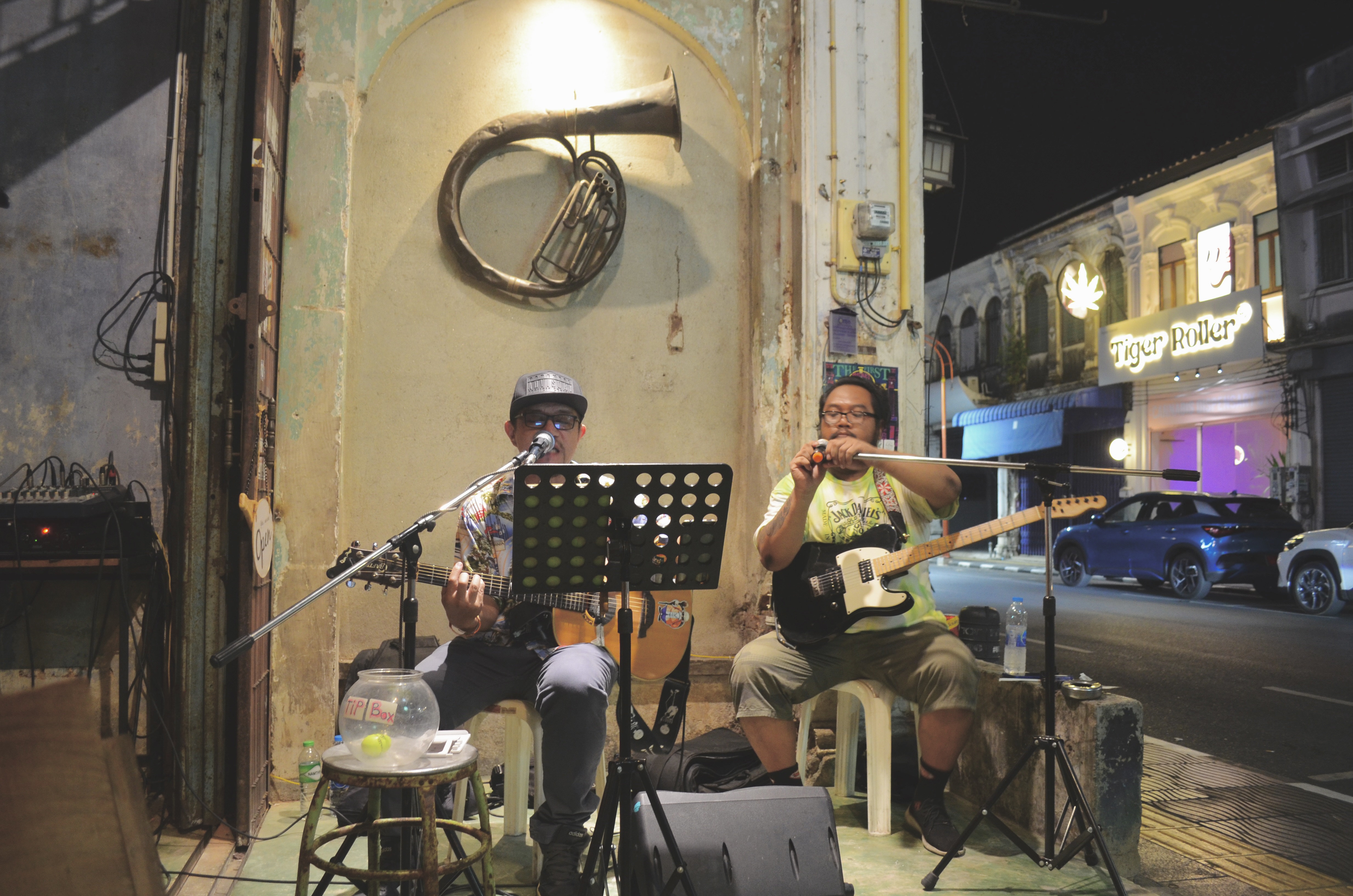
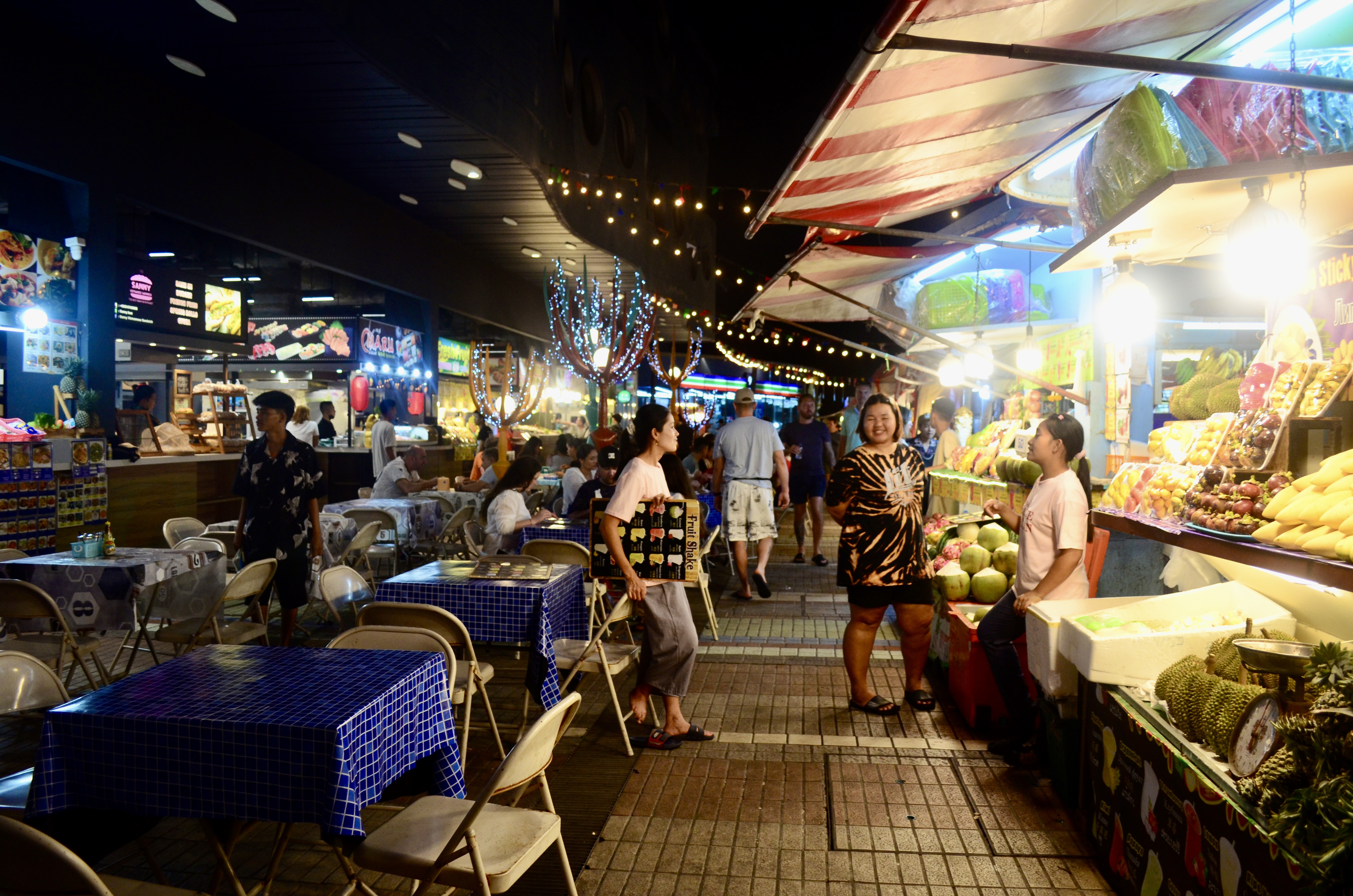
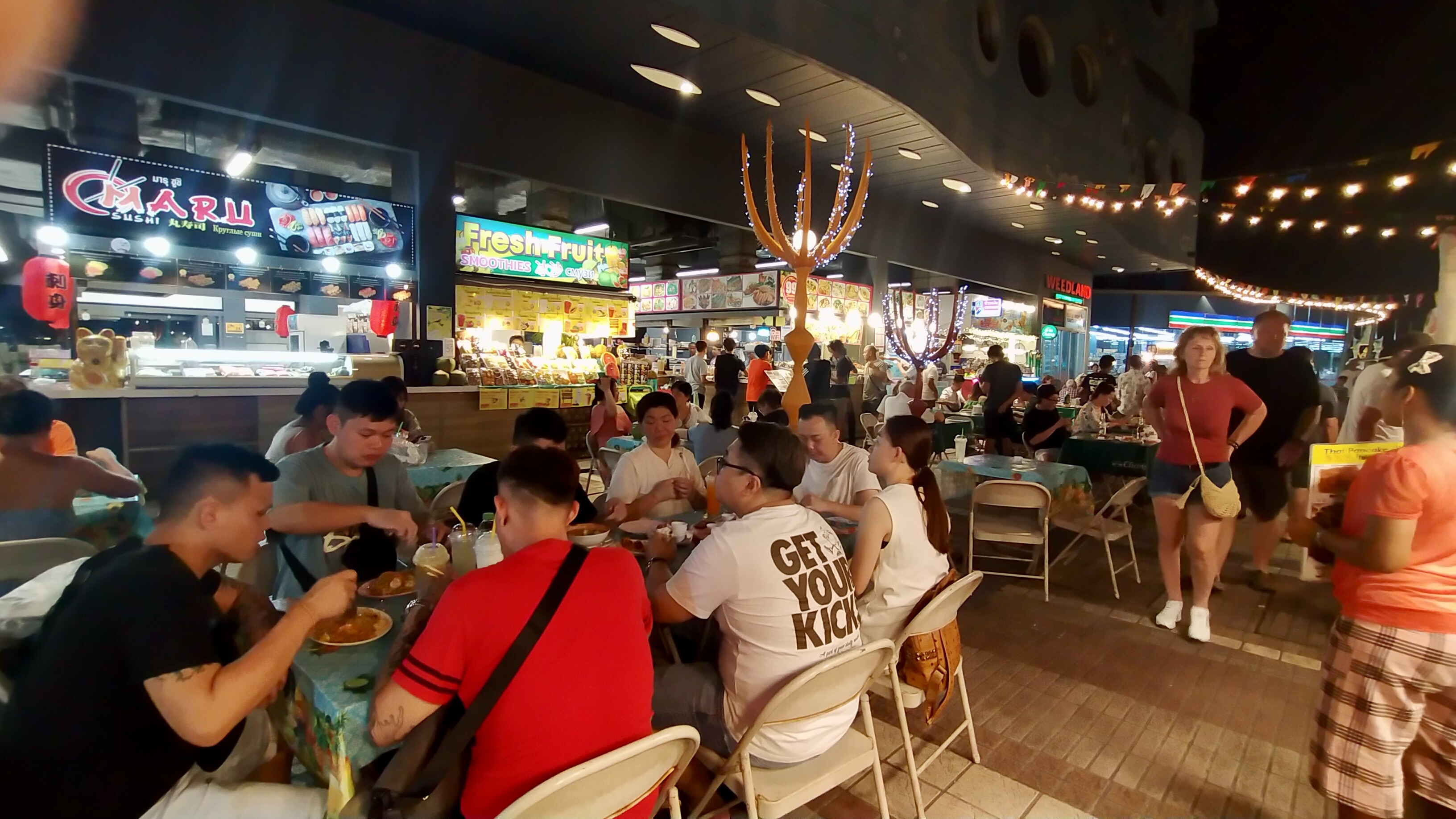
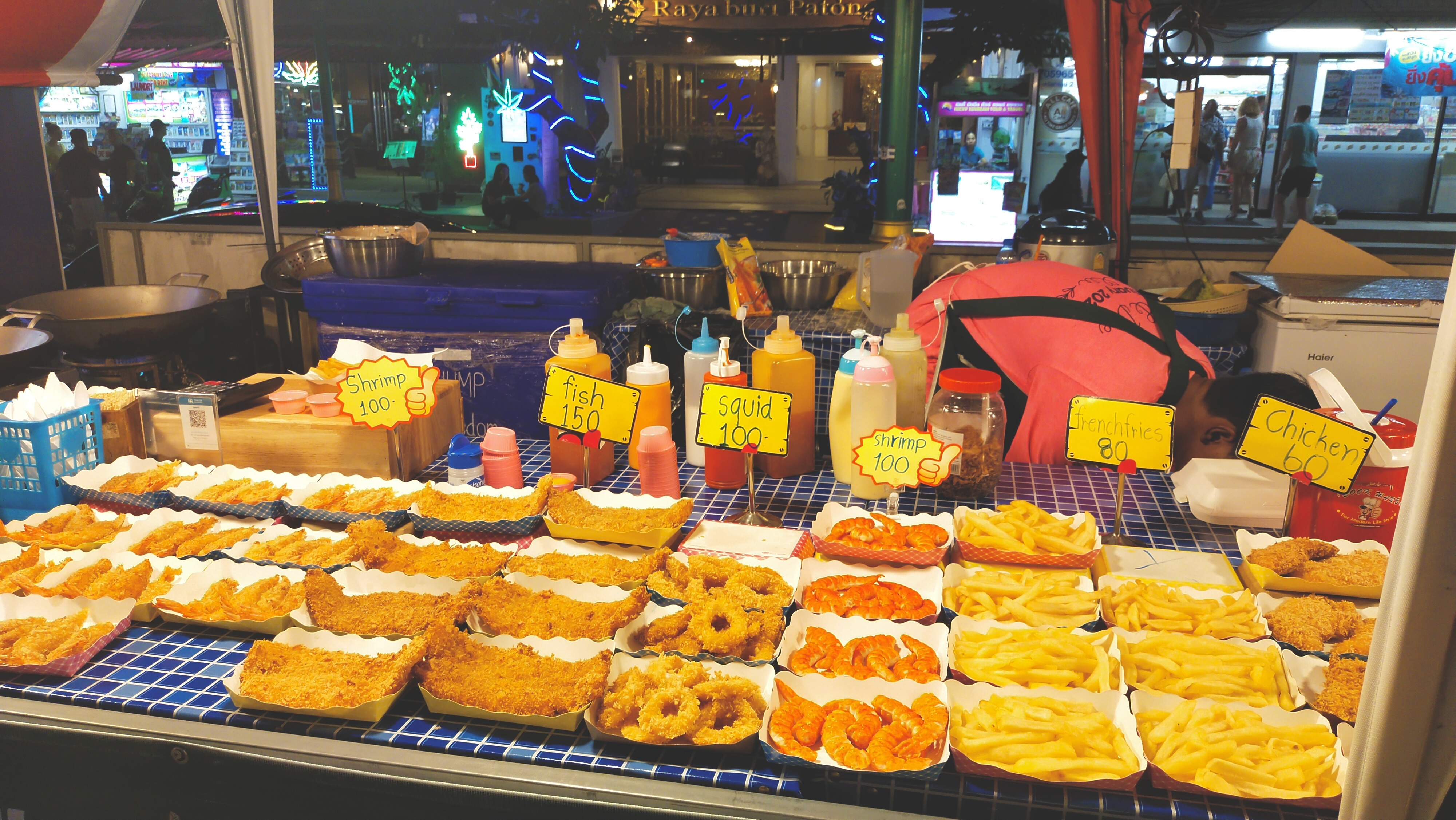
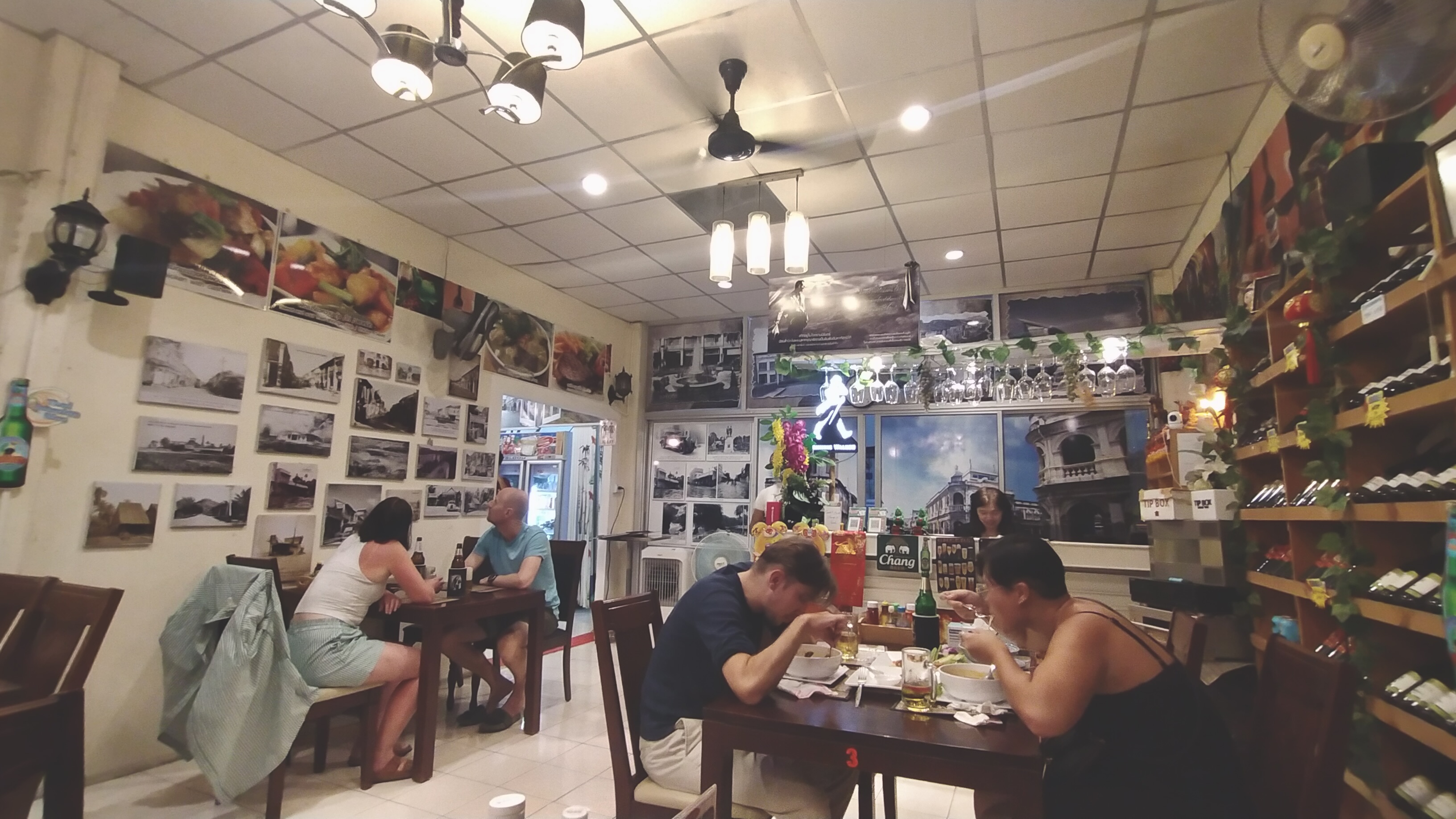
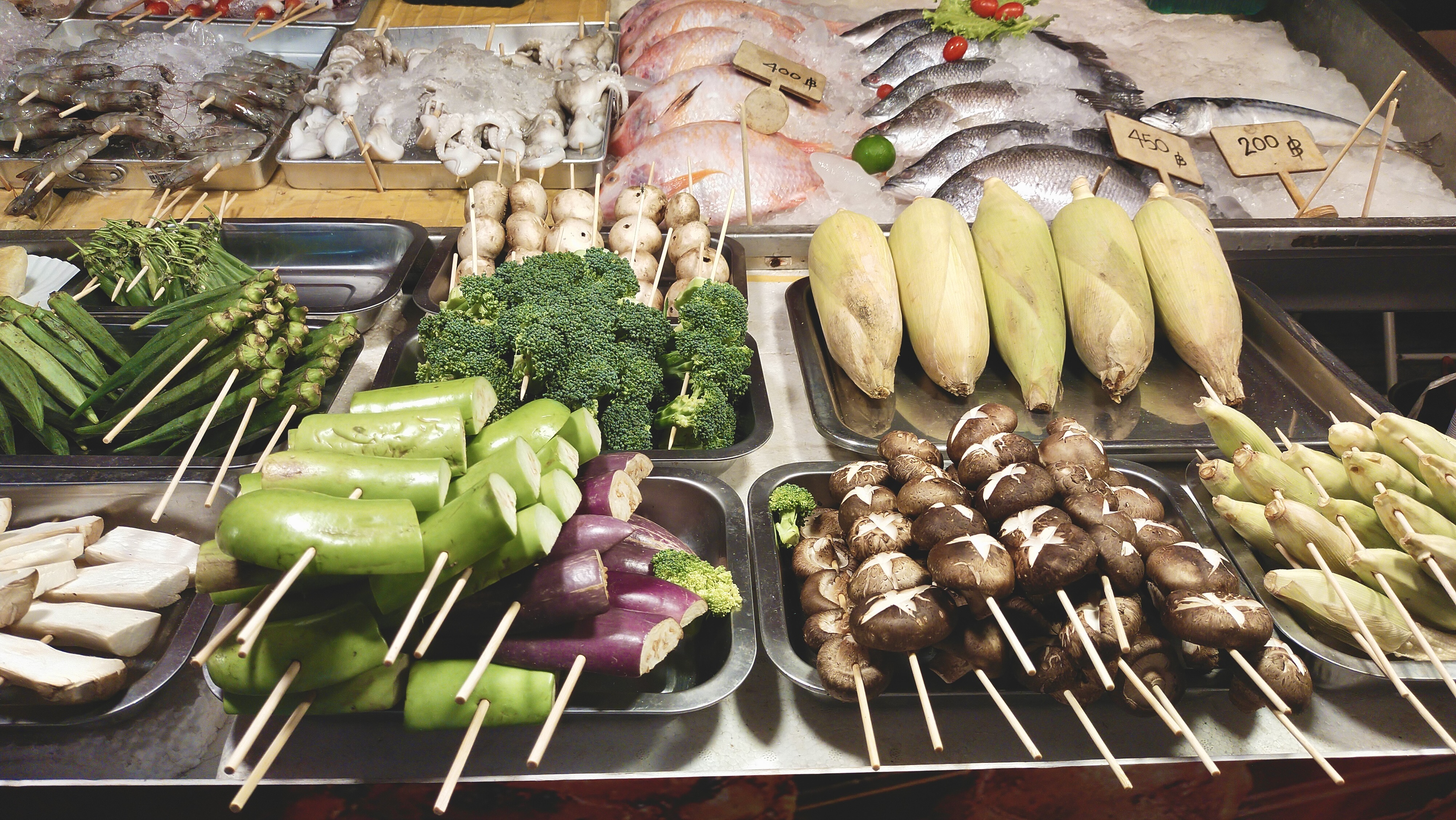
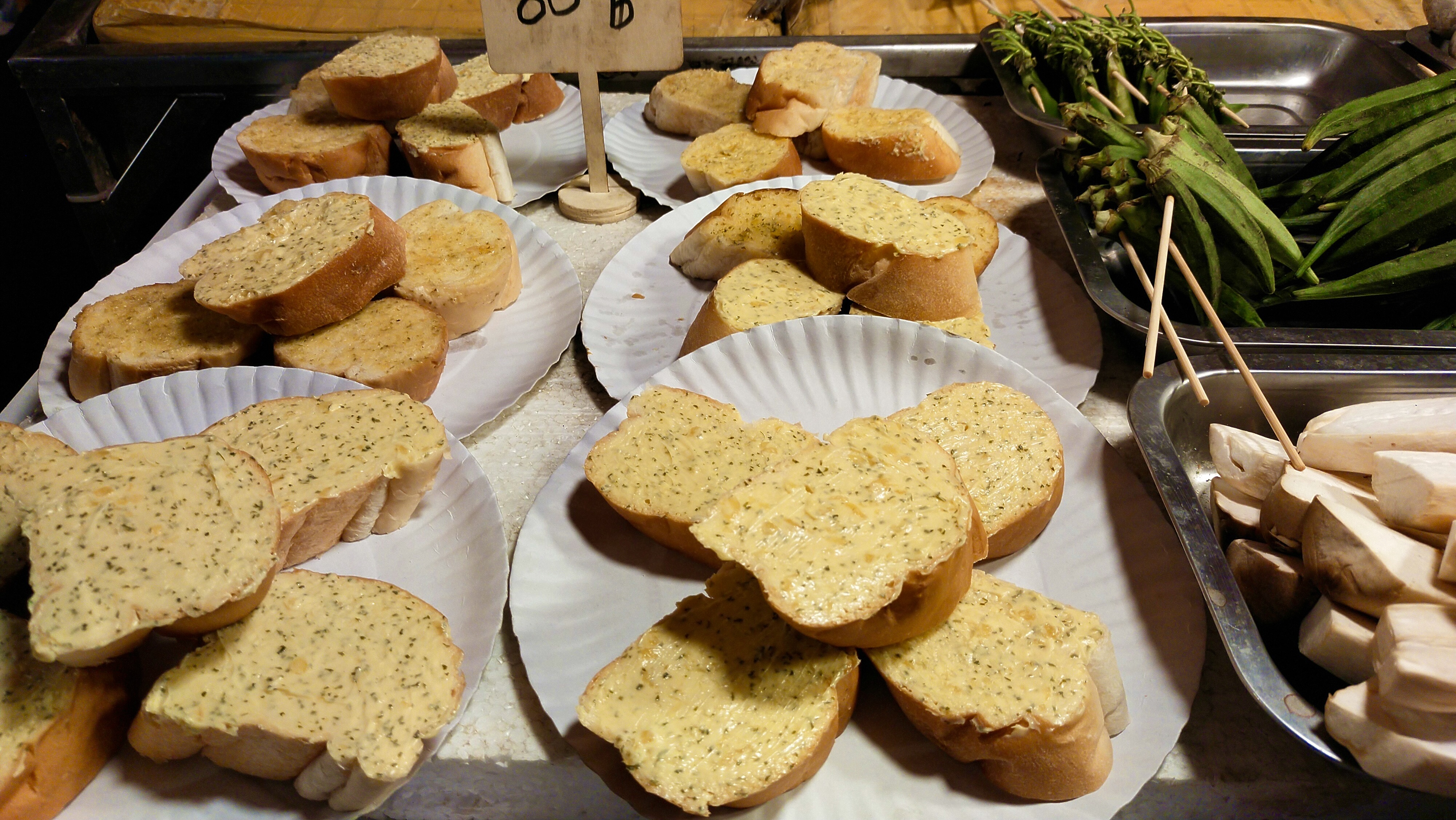
If afternoons were spent discovering the art and culture of the city, evenings were meant for relaxation with live music and good food.
Throughout our week-long trip, Phuket never felt dull for once.
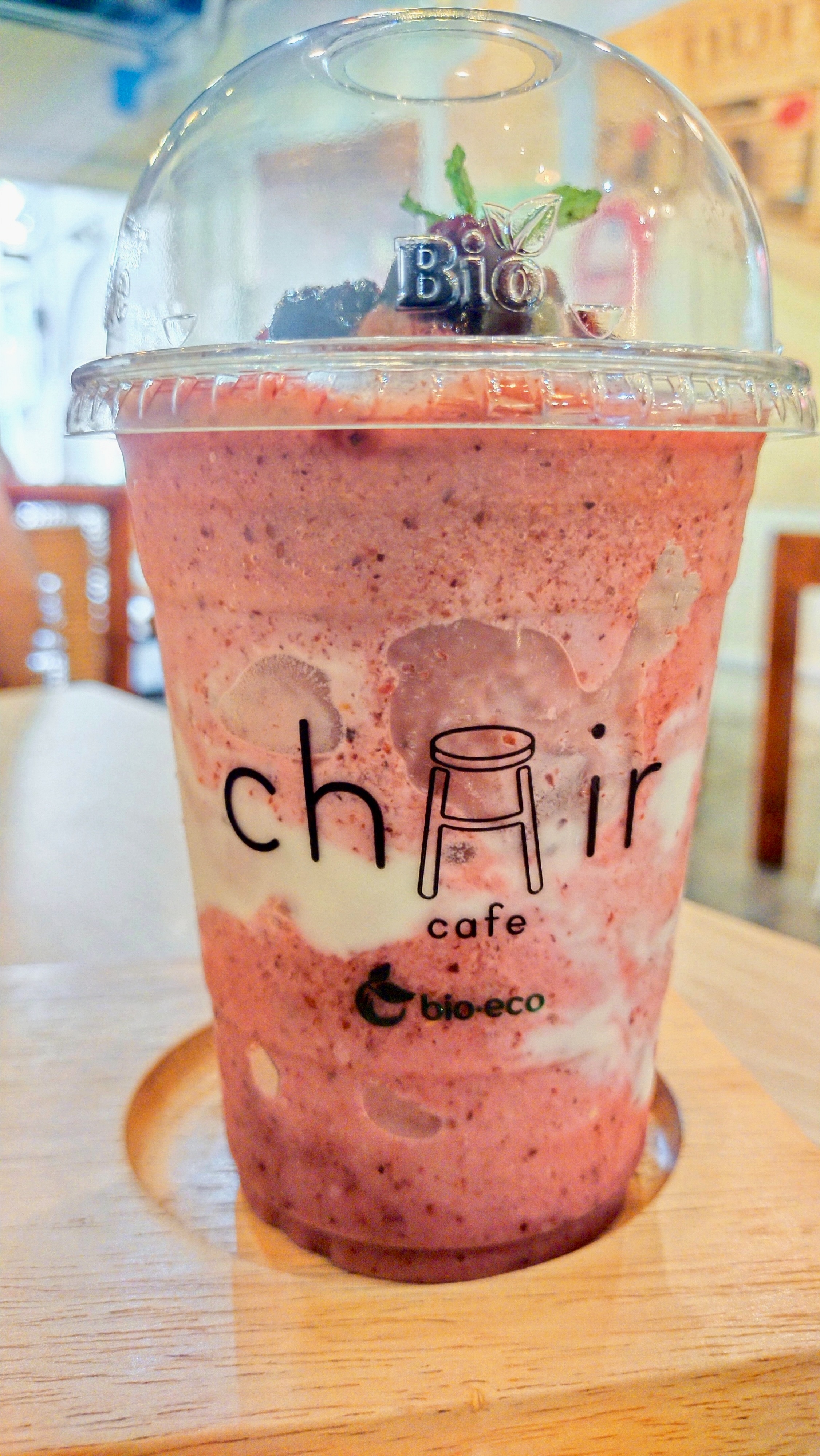
We chased sunsets, explored cafes, relished ice creams, toured islands, and discovered the town mostly on foot.
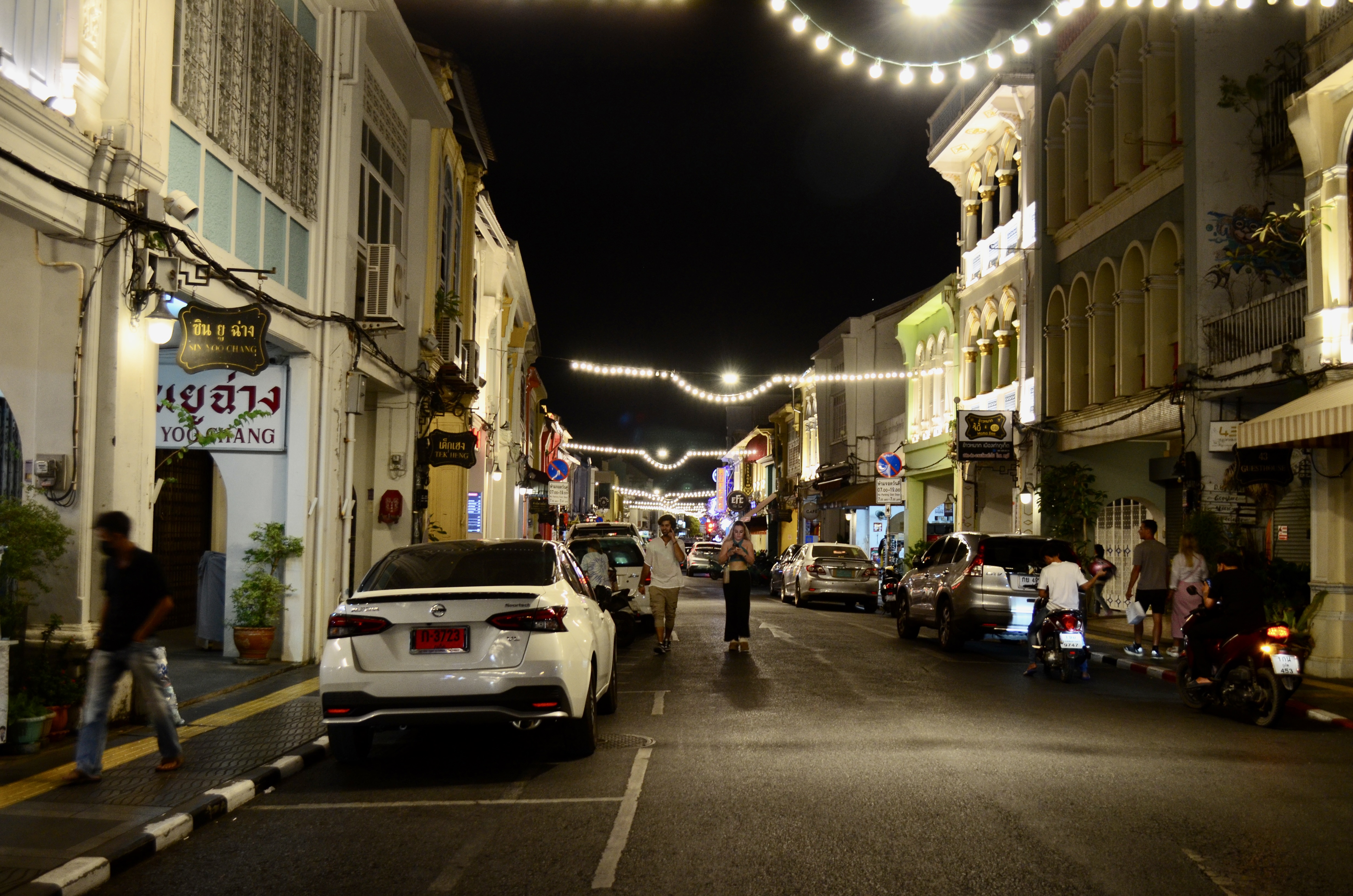
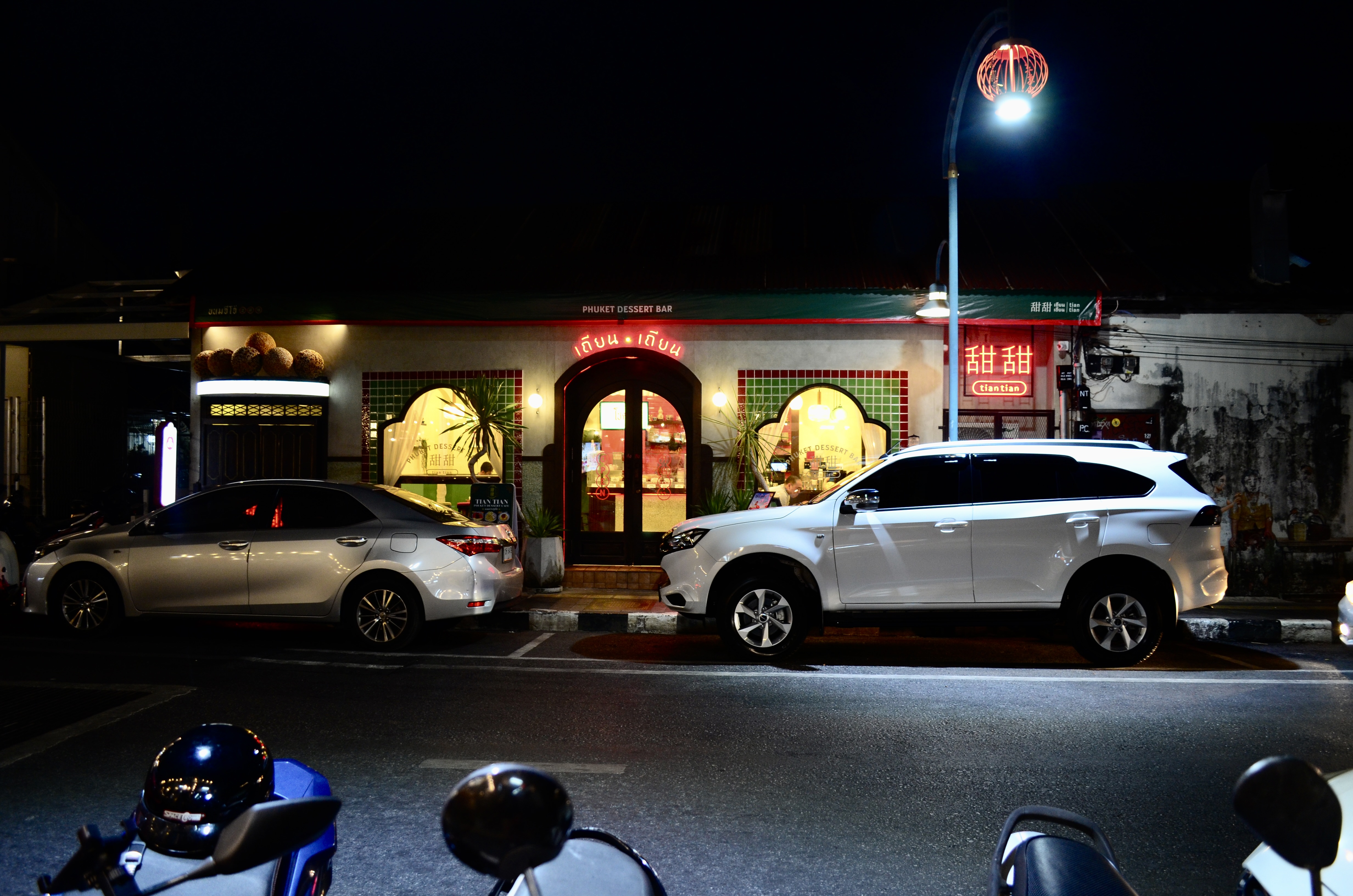
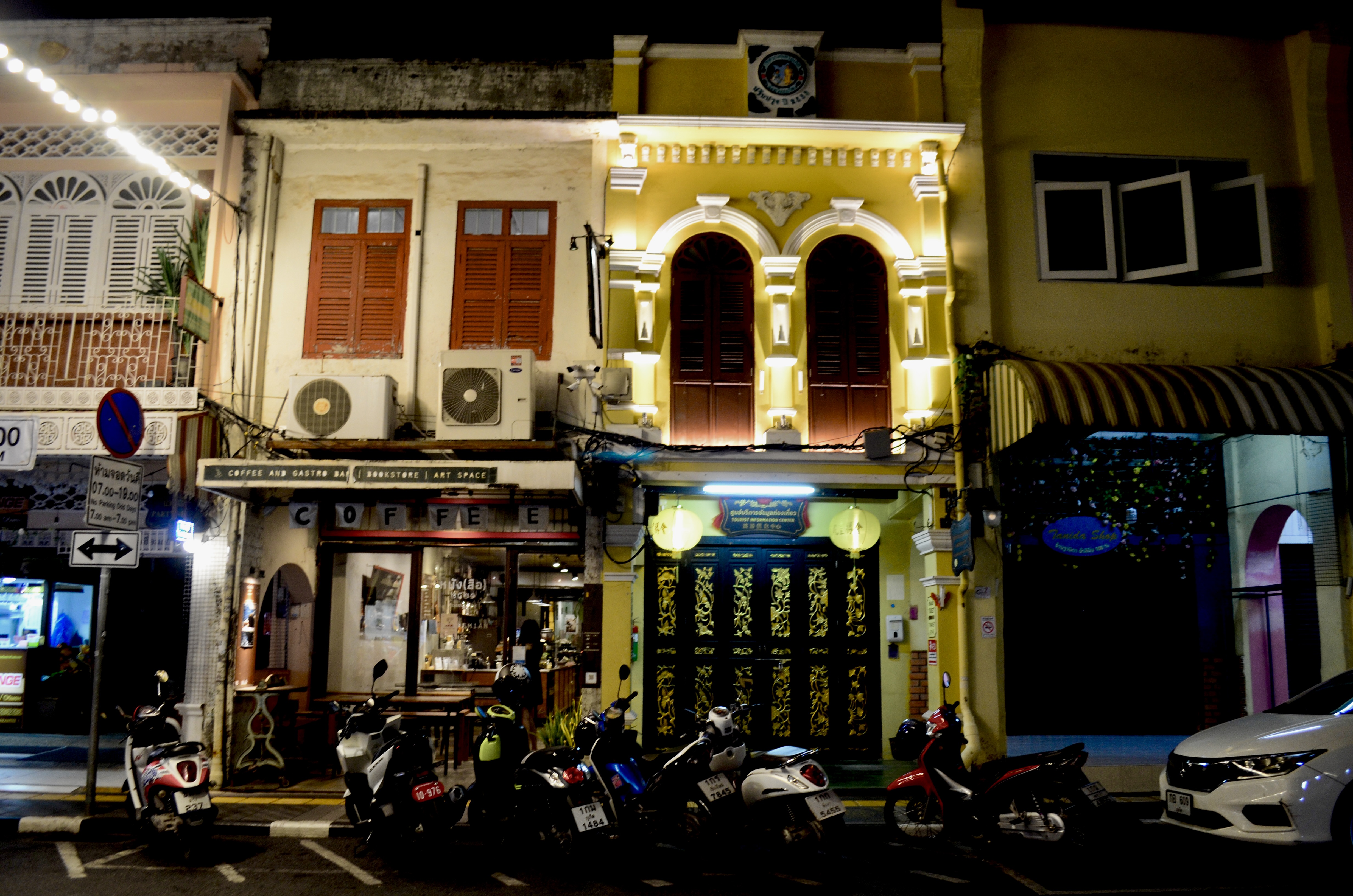
My husband and I take great pleasure in long walks, especially when we are in a new city or town. It is our way of exploring a place and discovering its multifaceted sides.
As much as it is joyful to walk around the city, it also allows us to find hidden gems and stumble upon little surprises.
Like the craftsman we met in Pondicherry who turns every piece of wood into a creative masterpiece, or that hole-in-the-wall restaurant in Goa that serves the most delectable prawn curries, and the local tailor we met in Mussoorie who proudly claims to have sewn clothes for a few film artists, while running a small antique store as his side job.
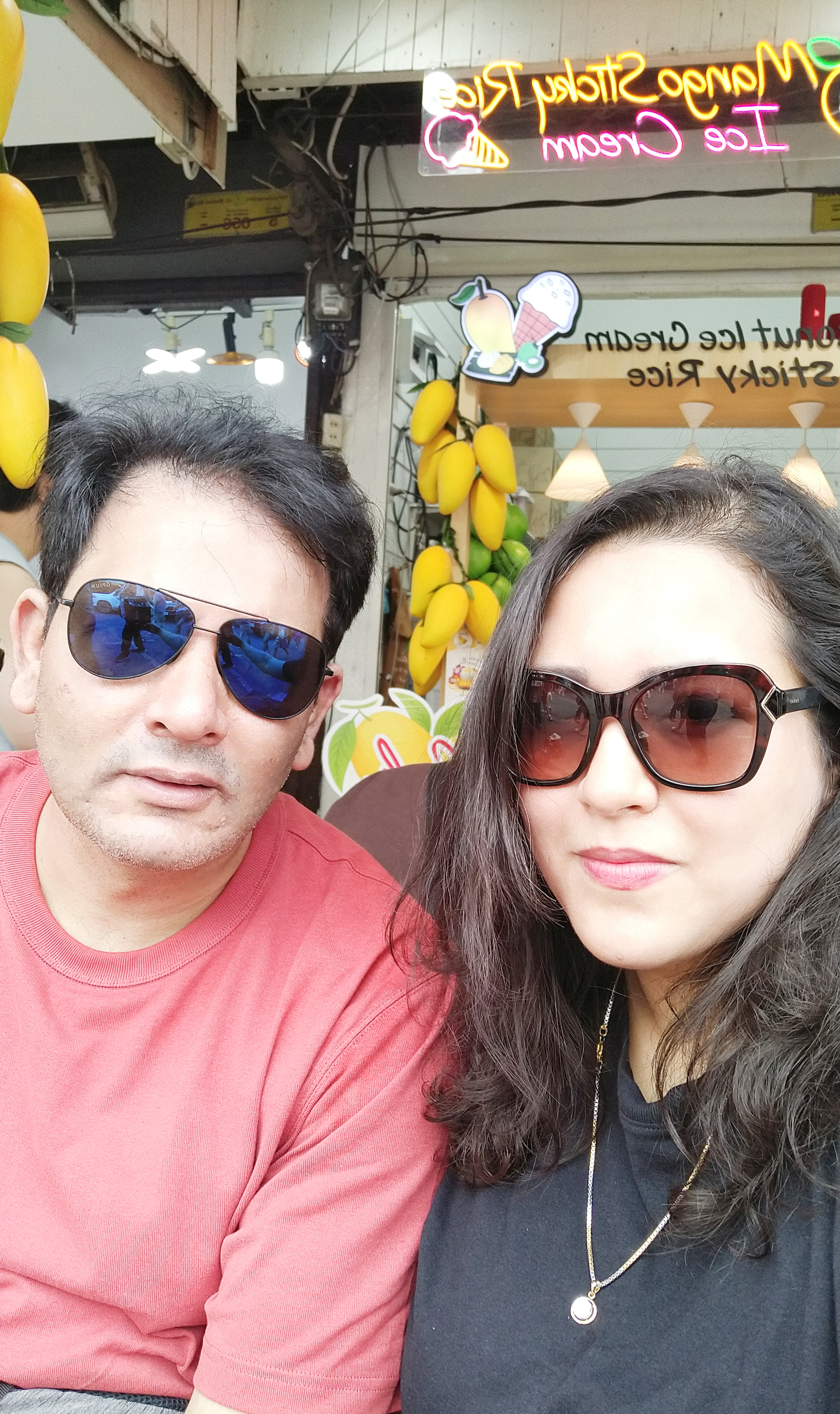
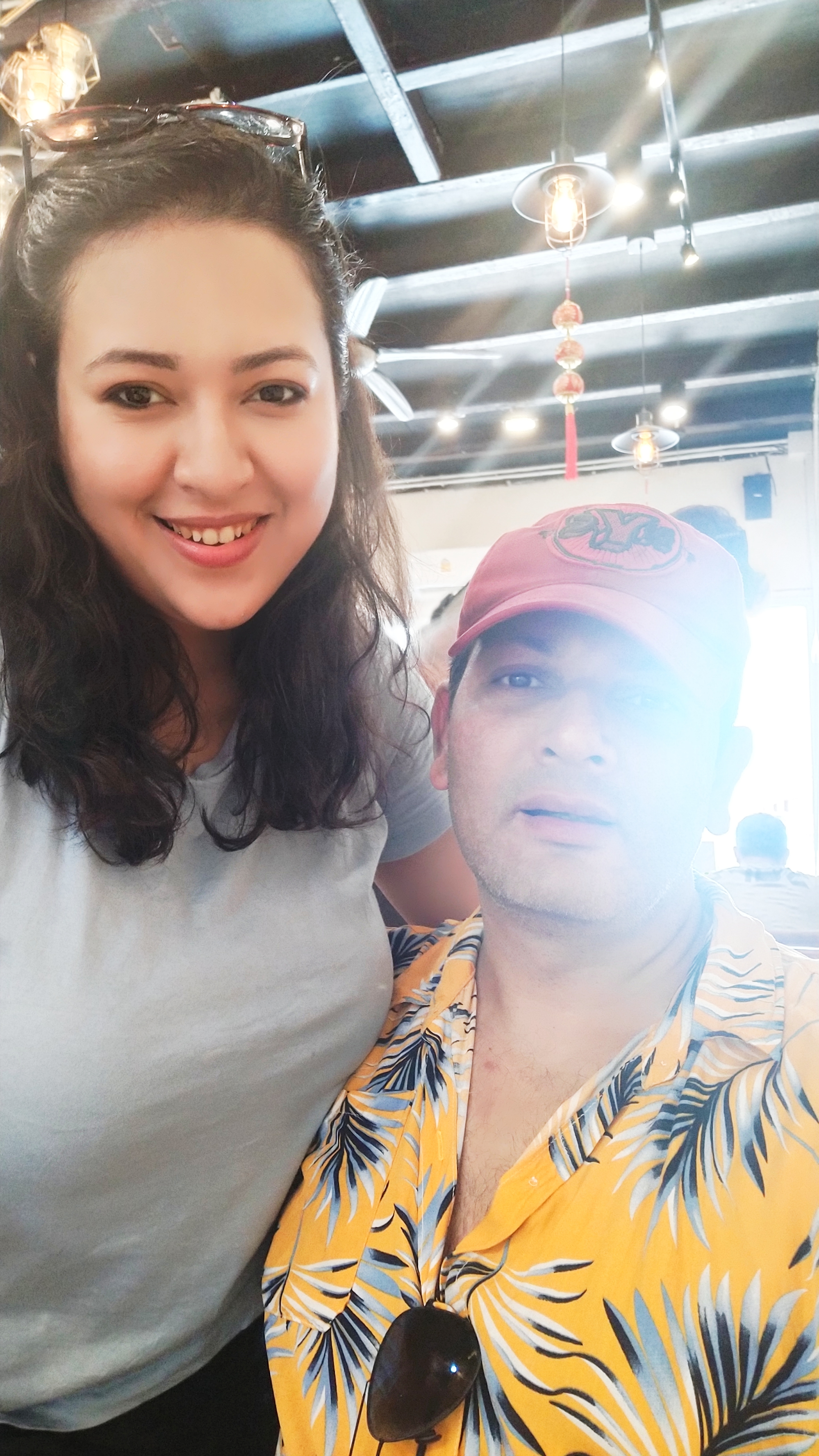
Thinking about these small moments brings me immense joy. They make for great stories and become an indispensable part of our journeys. Exploring a destination with a gentle and unhurried approach, spending days at leisure, and savoring every moment—this has been our travel philosophy for so long.
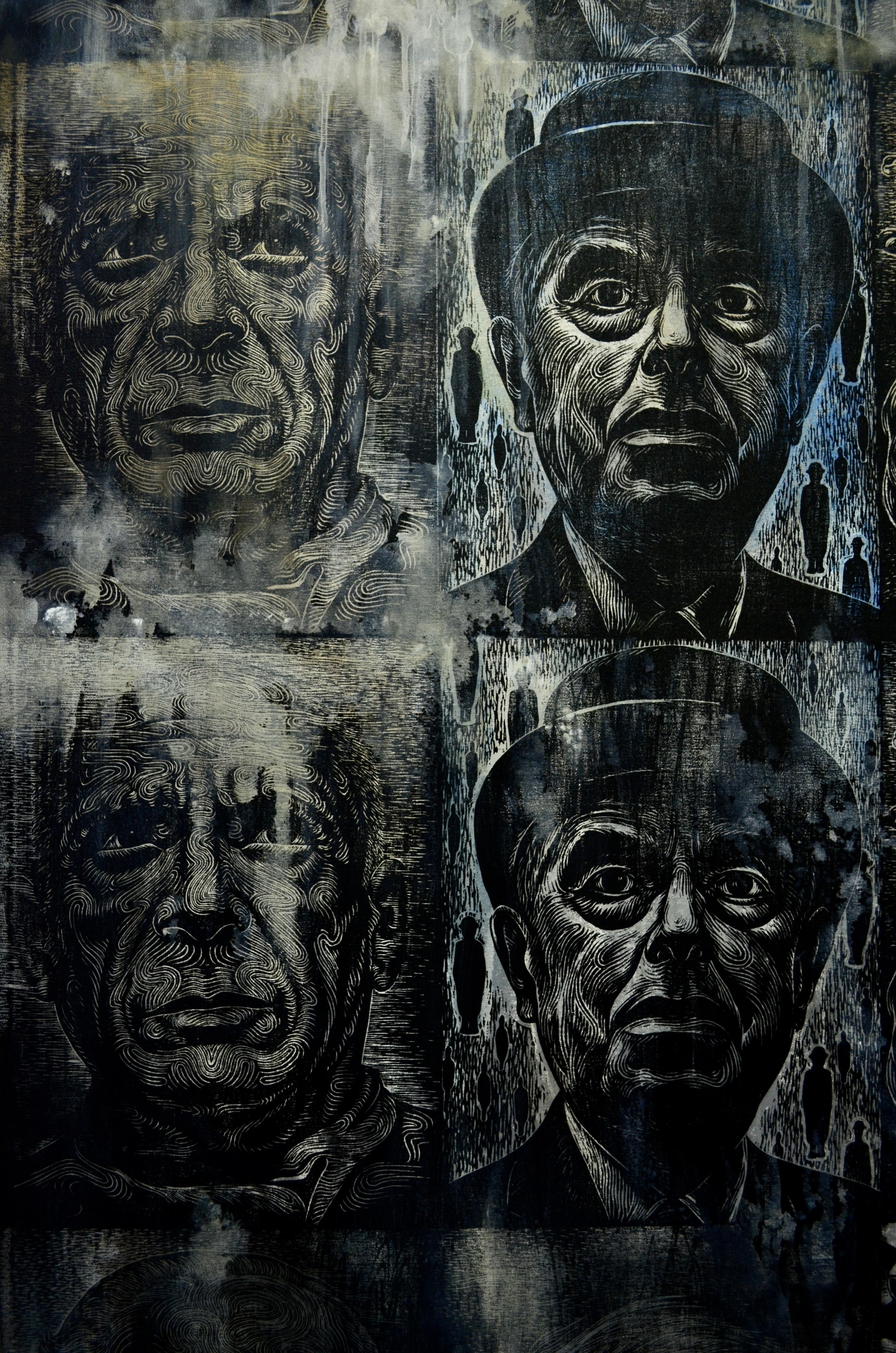
Location: I Mon Art Gallery, Old Phuket Town
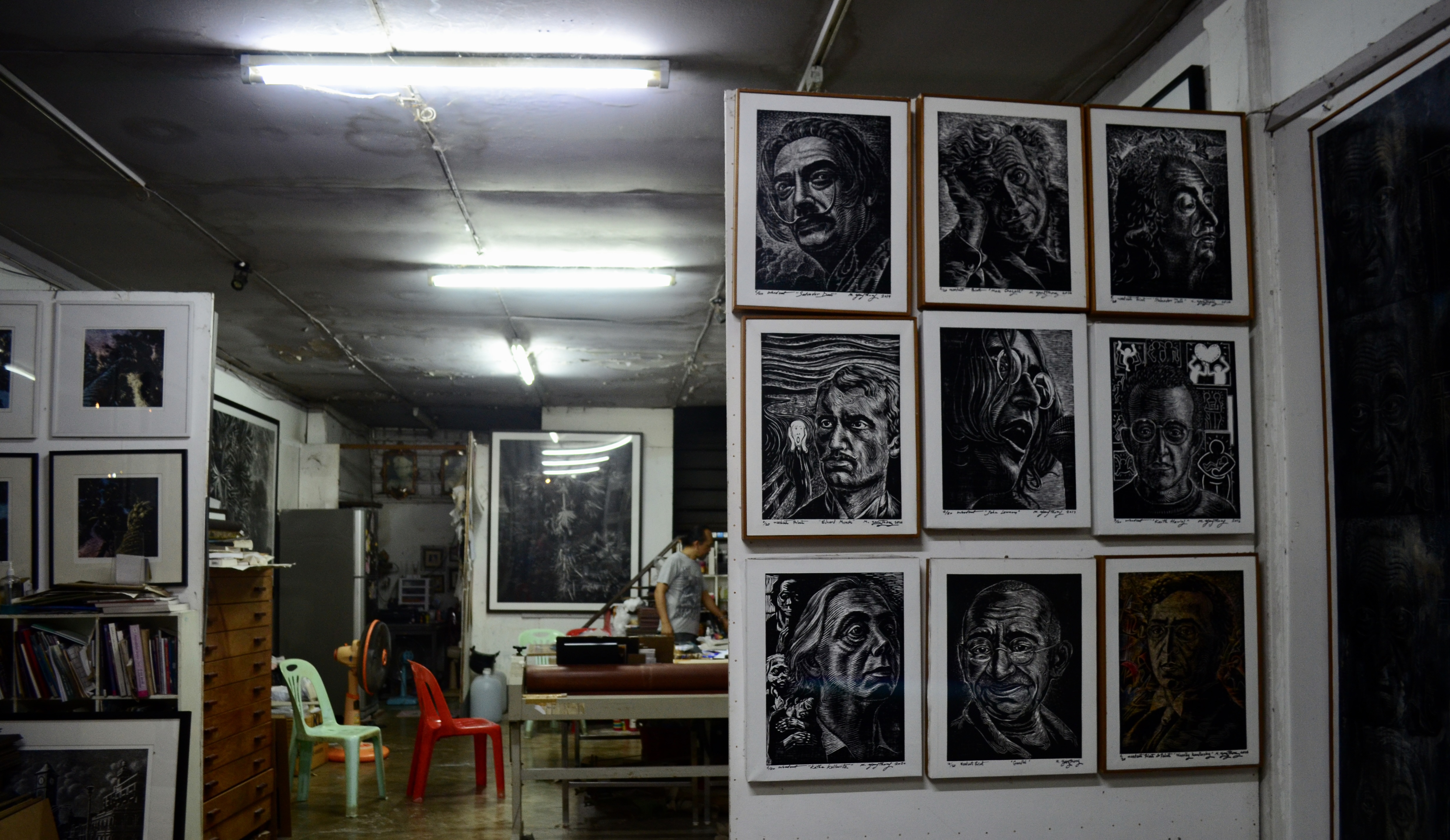
Beyond the sun and sands, and pristine beaches of Phuket, there lies a quintessentially charming Old Town that is colorful, quirky, eclectic, and spectacularly diverse. We found our serendipitous moments and happy discoveries in this city, from time to time.
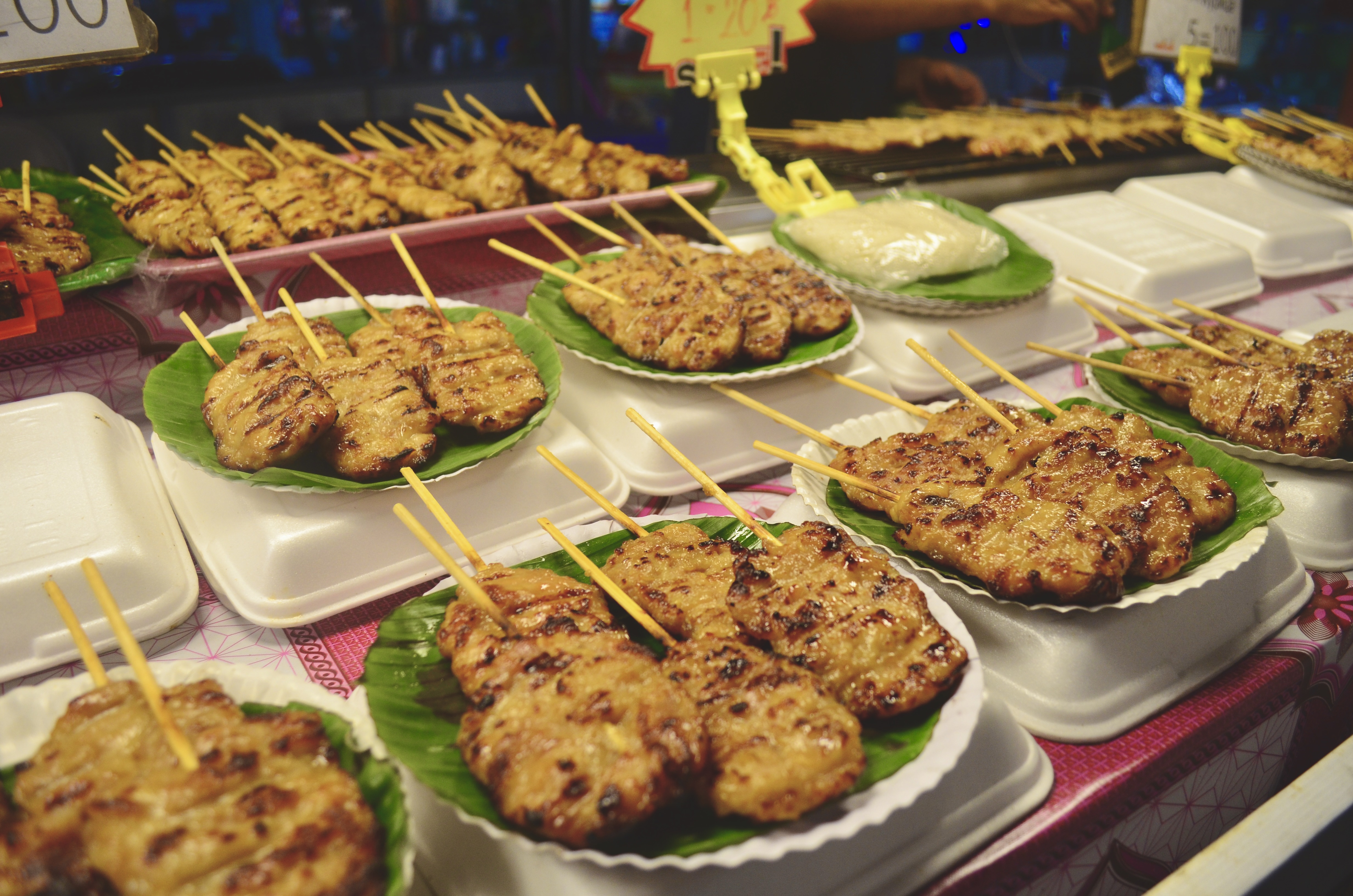
From local food to night markets to live music, we found a place that resonated with our travel ideology–allowing us to go slow, observe its beauty, understand the culture and history, and become a tad more aware of the community, who ultimately gives character to the city.
Old Phuket Town offered us every bit of that rewarding experience, in the manner we hoped for, and perhaps even more than we could have asked for.
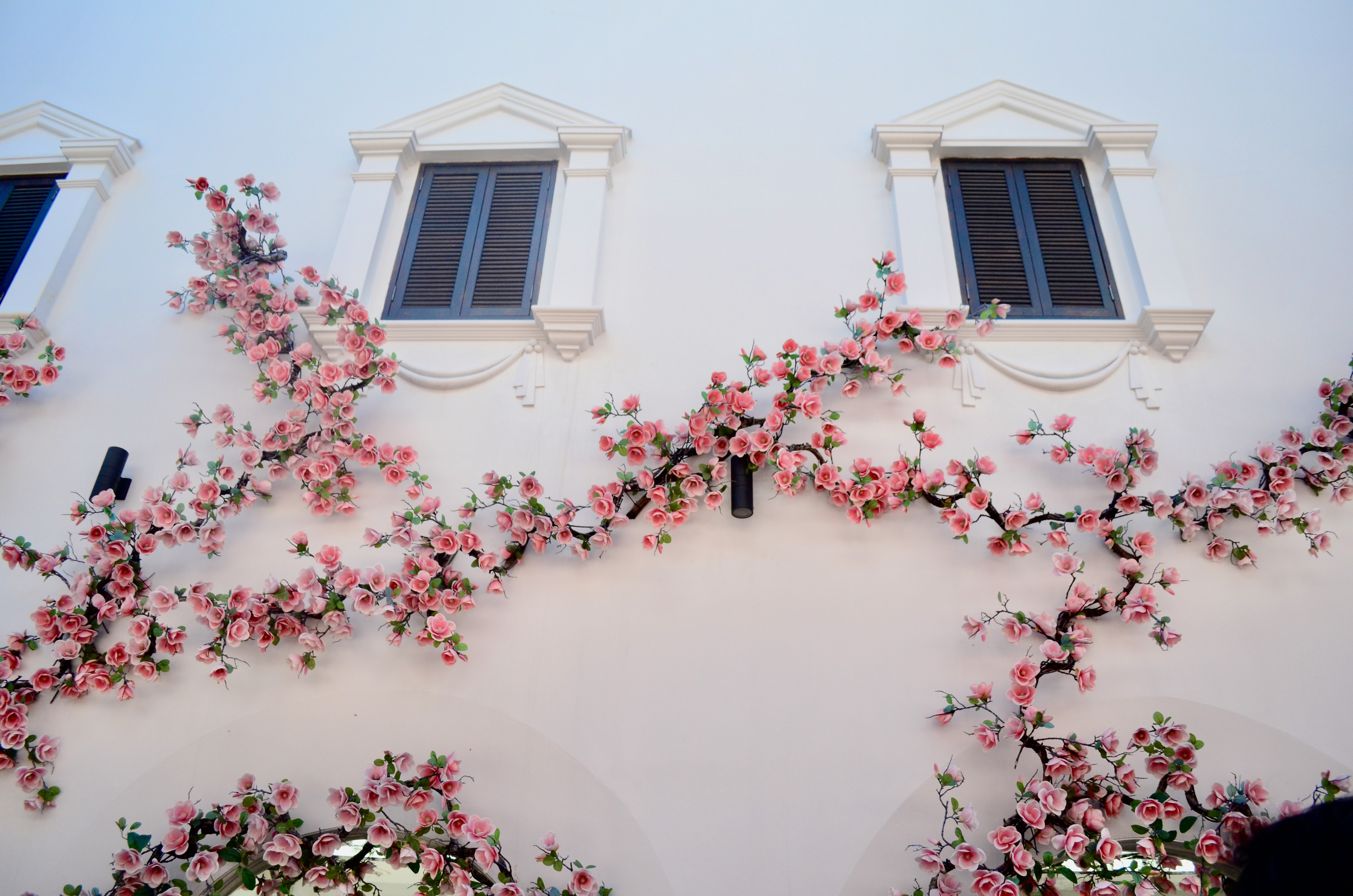
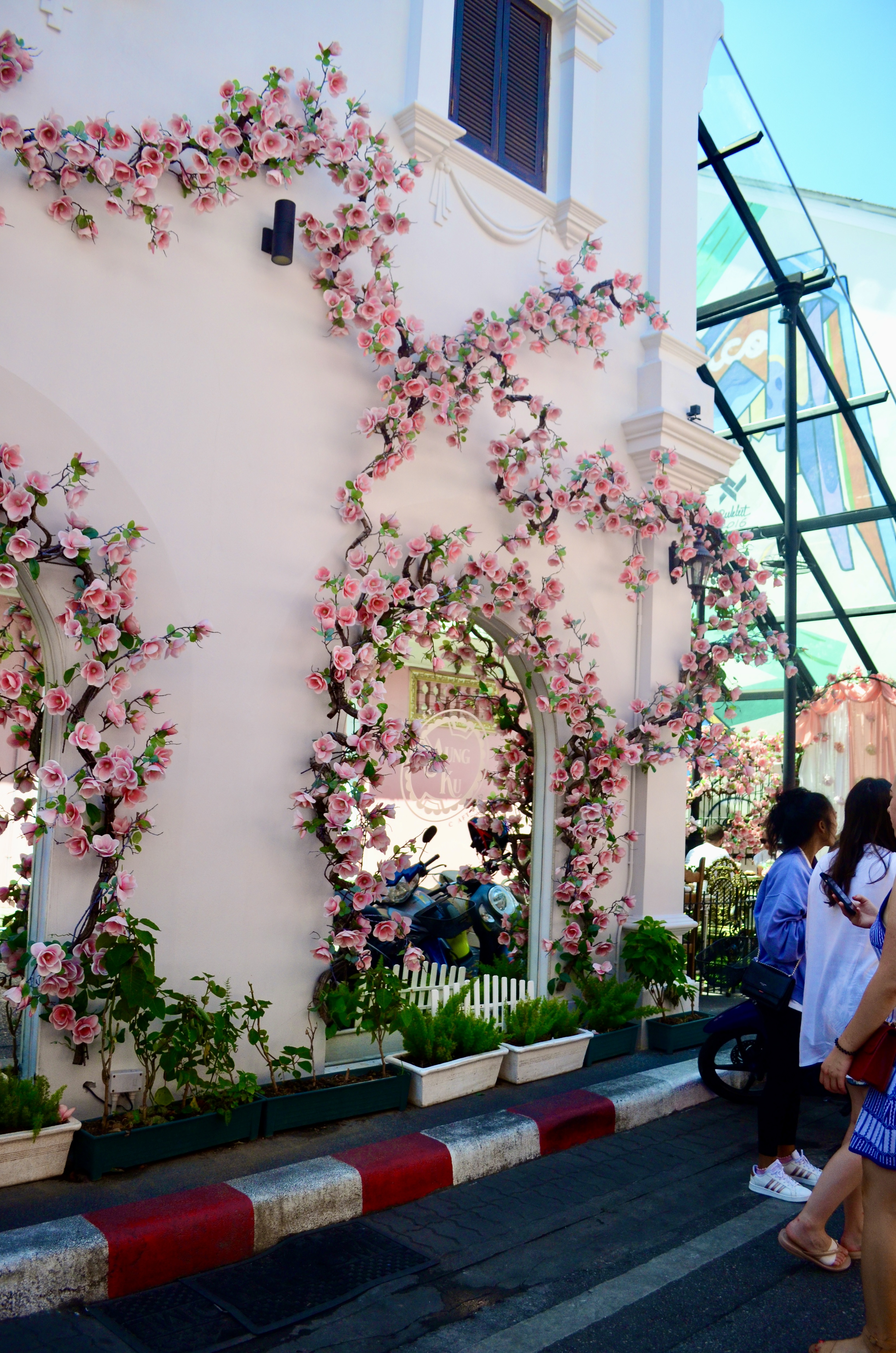
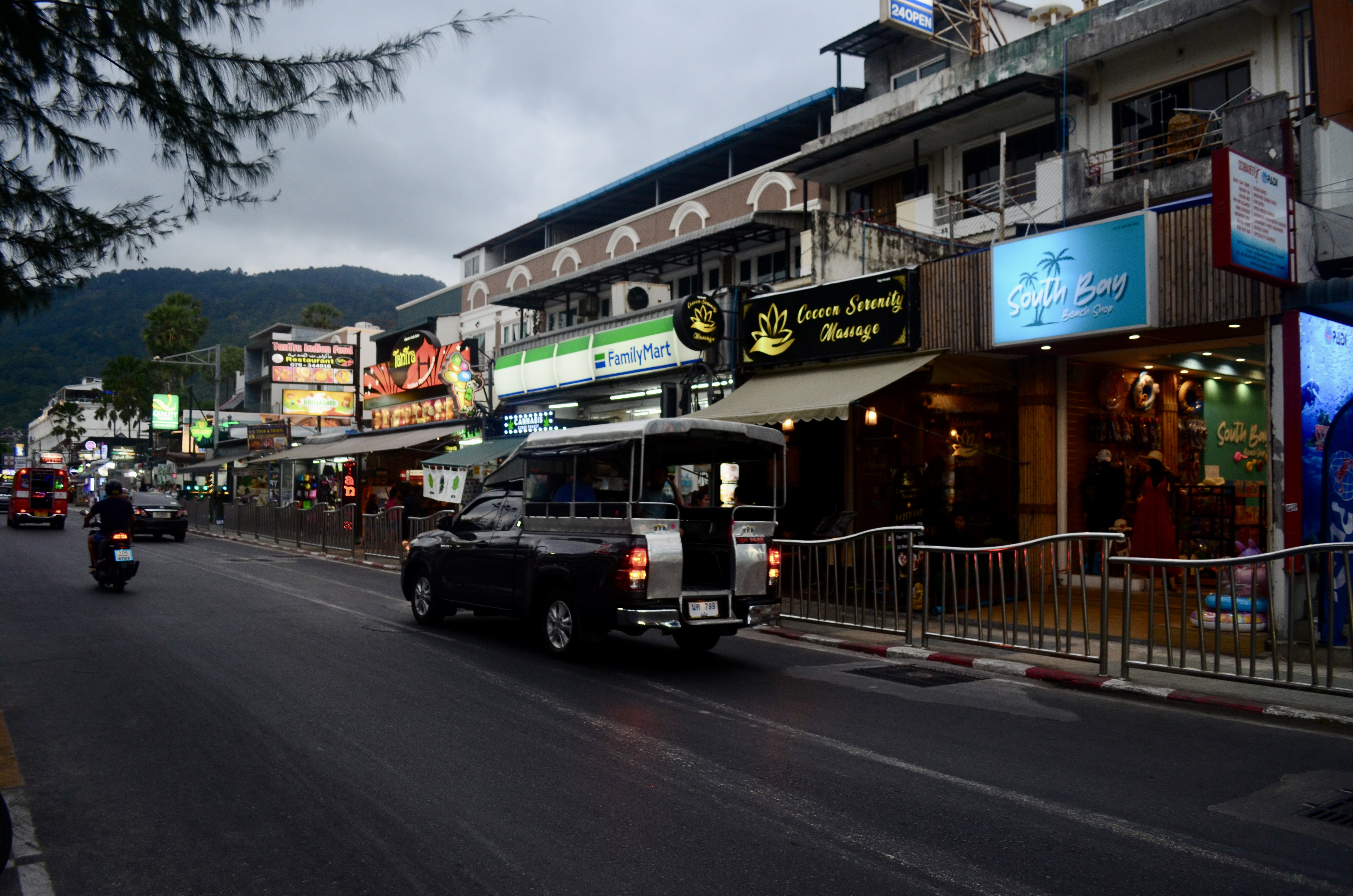
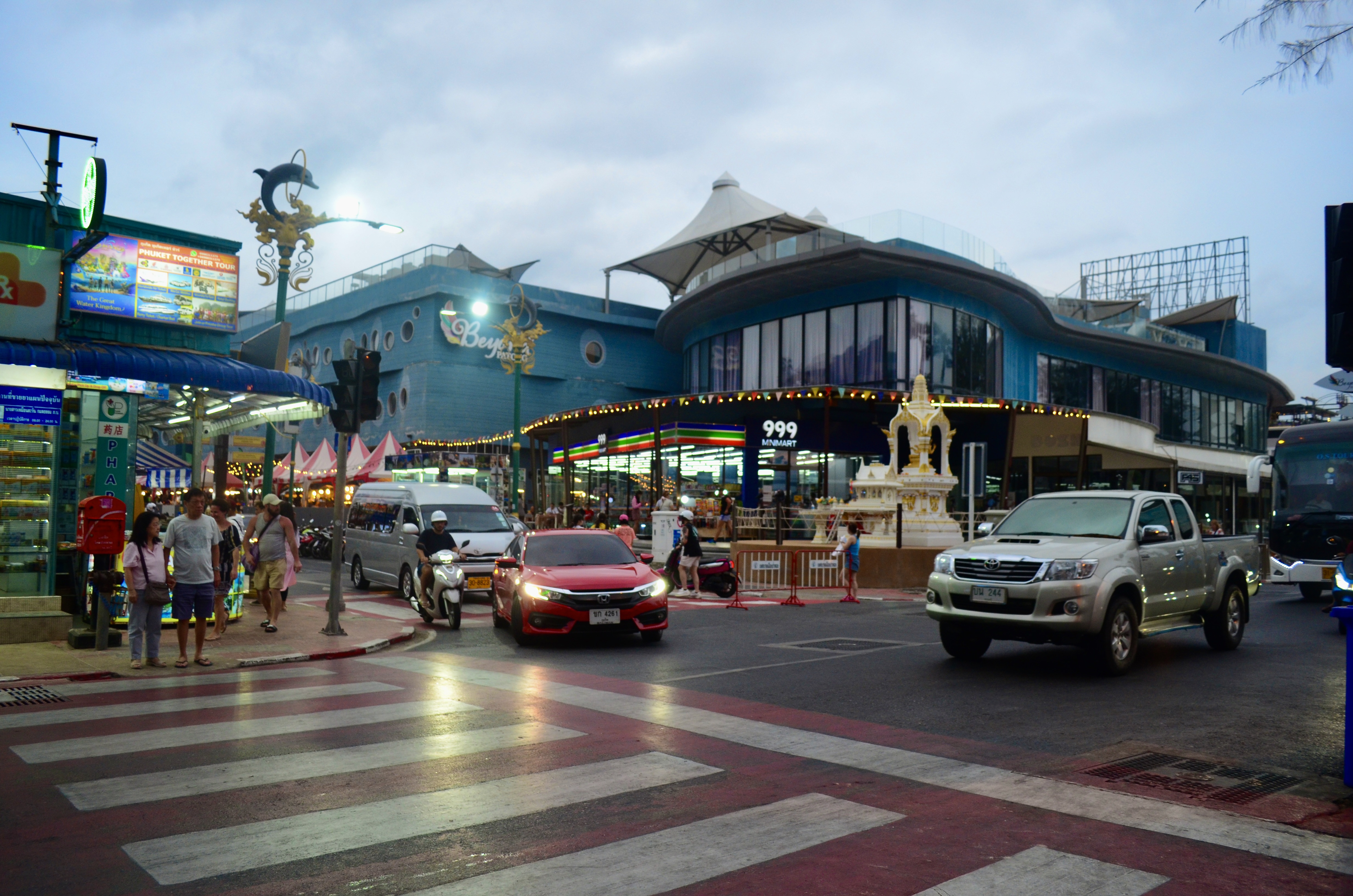
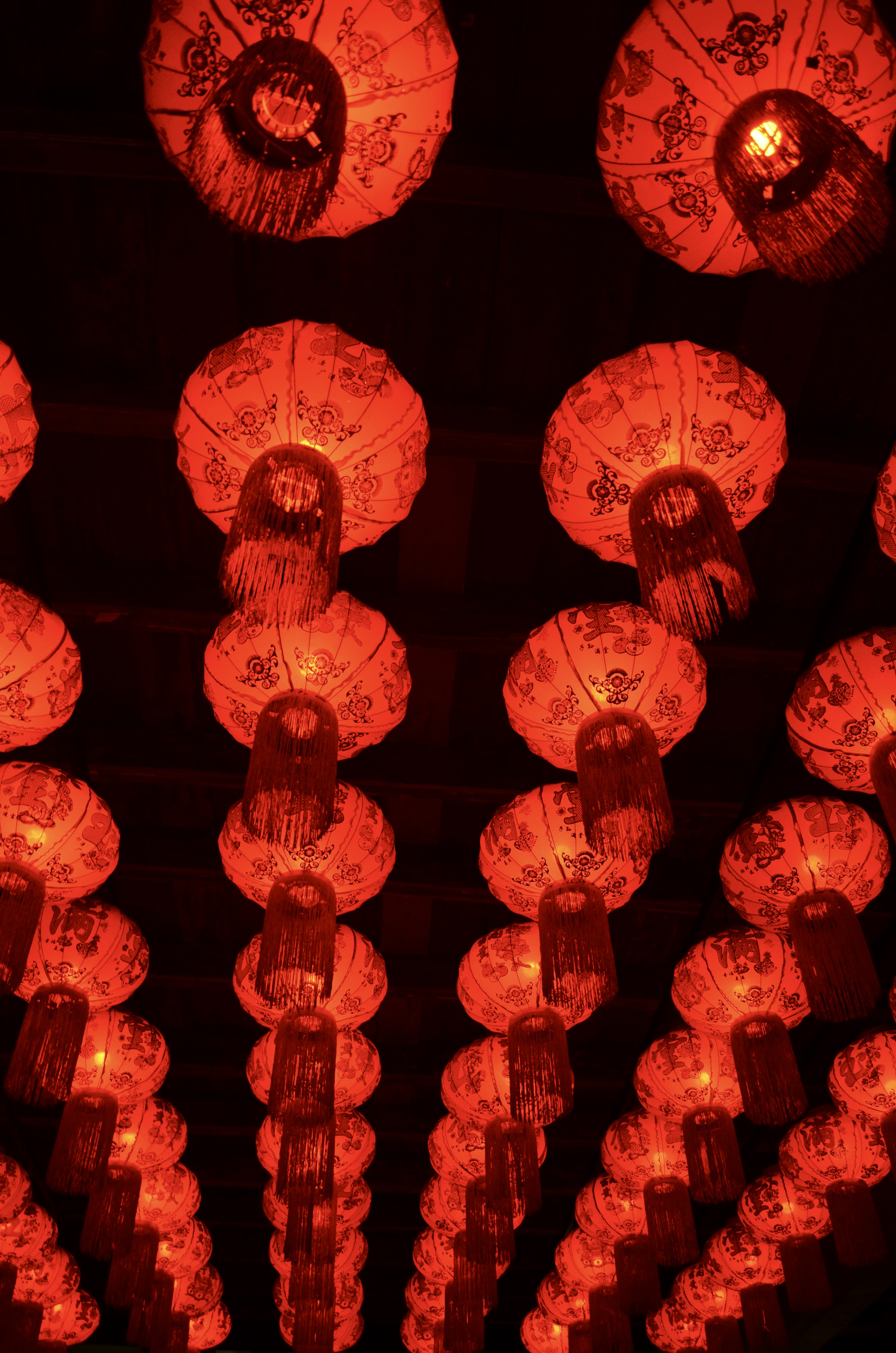
And here are some photos for posterity’s sake.
Discover more from
Subscribe to get the latest posts sent to your email.
 amritaduorah.com